




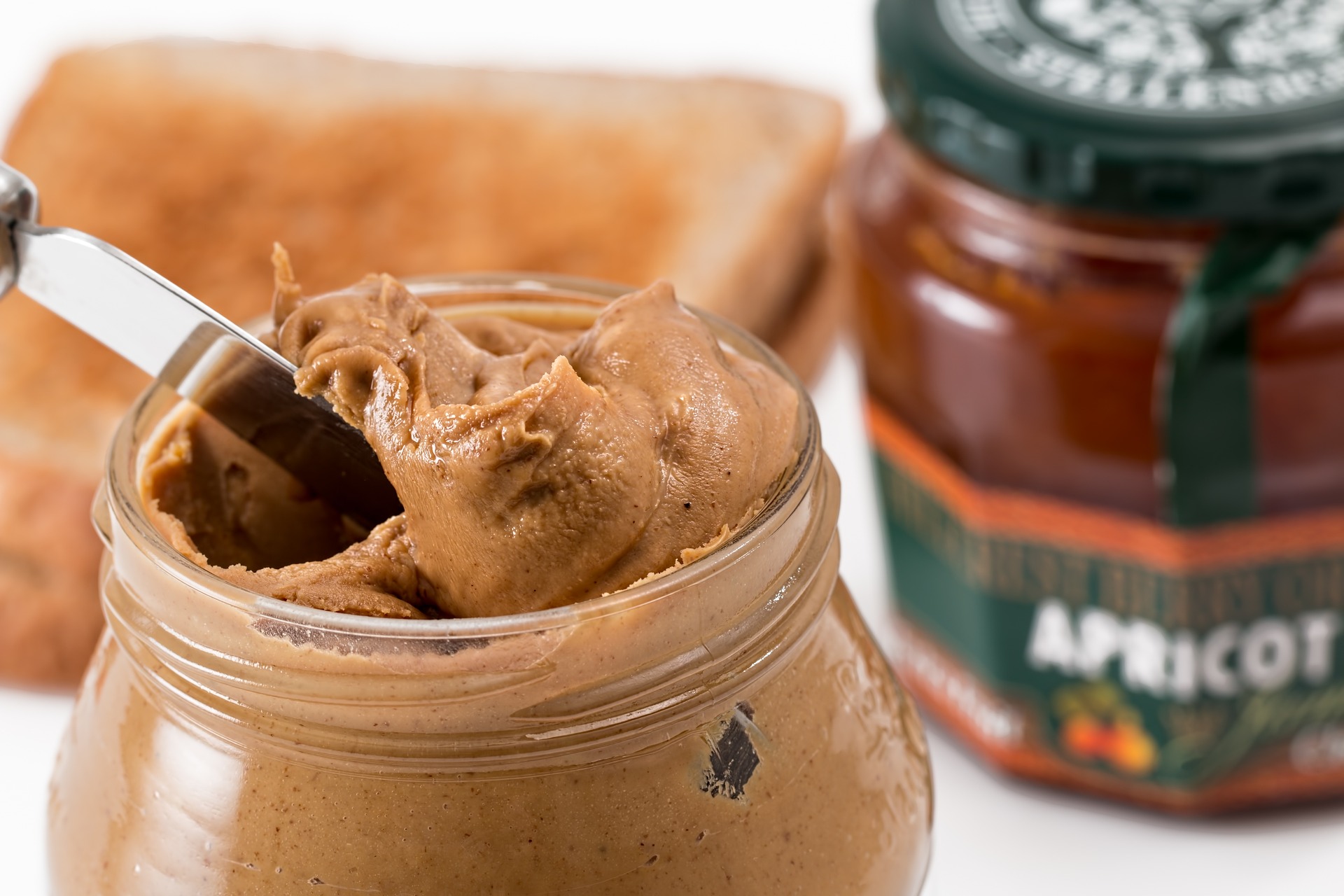
Peanut butter, a creamy and flavorful spread made from roasted peanuts, has become a staple in many households worldwide. Loved by children and adults alike, this versatile condiment has transcended its humble beginnings to become a culinary sensation, finding its way into various dishes and snacks. In this exploration, we delve into the rich history, nutritional benefits, and the diverse ways peanut butter has captured the hearts and taste buds of people around the globe.
Historical Roots:
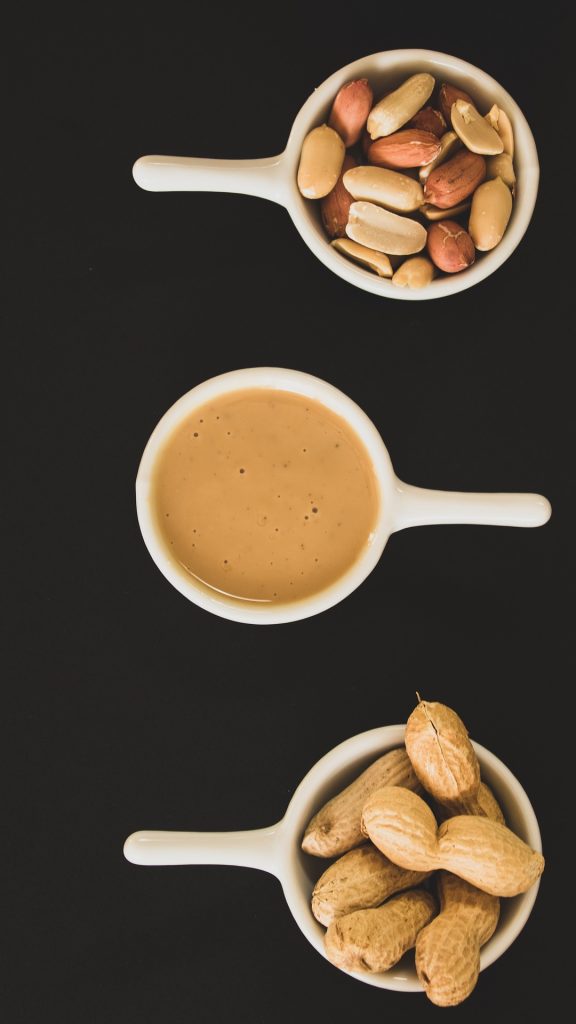
The origins of peanut butter can be traced back to the ancient civilizations of the Aztecs and Incas, who ground roasted peanuts into a paste. However, it was not until the late 19th century that the modern version of peanut butter emerged. Credit for the creation of the first peanut butter as we know it is often attributed to Dr. John Harvey Kellogg, a prominent figure in the early health food movement. He patented a process for creating peanut butter in 1895, aiming to provide a protein-rich alternative to meat.
The popularity of peanut butter soared during the early 20th century, with entrepreneurs like George Washington Carver and companies like Swift & Company contributing to its widespread adoption. By the 1920s, peanut butter had become a household staple in the United States, finding its way into sandwiches, desserts, and savory dishes.
Nutritional Powerhouse:
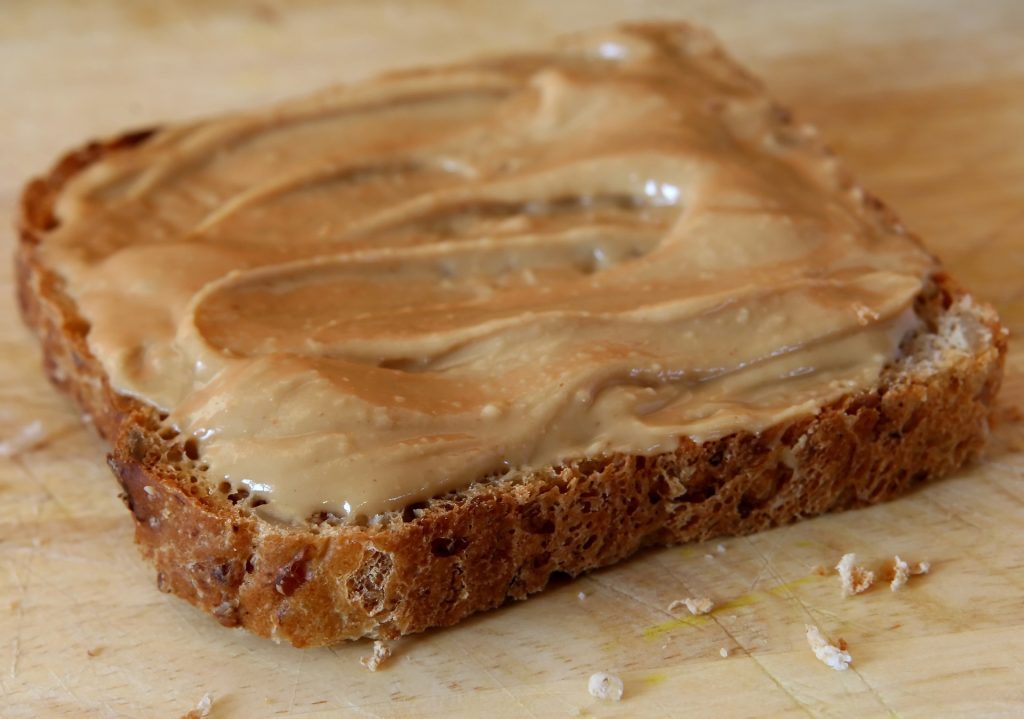
Peanut butter is not just a tasty treat; it also packs a powerful nutritional punch. Rich in protein, healthy fats, and various essential nutrients, peanut butter is considered a wholesome food option. It is a significant source of monounsaturated and polyunsaturated fats, which contribute to heart health. Additionally, vitamins and minerals such as vitamin E, magnesium, potassium, and phosphorus are packed within peanuts.
The protein content in peanut butter makes it an excellent choice for those seeking to build and repair tissues. a feeling of fullness is promoted by its combination of protein and healthy fats, making it a satisfying snack option. Furthermore digestive health is supported by the presence of dietary fiber in peanut butter.
Beyond its macronutrient profile, antioxidants including resveratrol and beta-sitosterol are contained in peanut butter, which contribute to its overall health benefits. These antioxidants play a role in reducing inflammation and supporting the immune system.
Versatility in Culinary Delights:
What makes peanut butter truly remarkable is its adaptability in the kitchen. While the classic peanut butter and jelly sandwich remains a beloved choice, this spread goes far beyond the confines of a lunchtime treat.
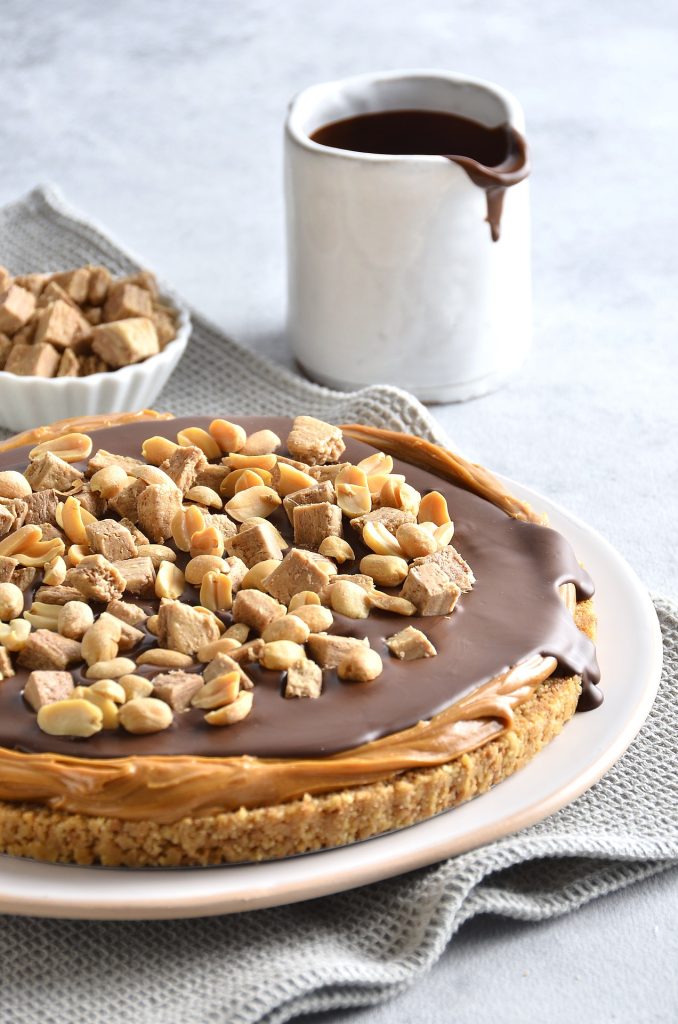
Peanut butter serves as a key ingredient in a variety of sweet and savory recipes. From smoothies and granola bars to satay sauces and curries, the possibilities are endless. the taste of both desserts and main dishes are enhanced by its creamy texture and nutty flavor. Peanut butter can be drizzled over pancakes, swirled into oatmeal, or incorporated into cookie and brownie recipes, creating indulgent treats loved by all.
Health-conscious individuals have embraced peanut butter as a nutritious addition to their diet. Its compatibility with fruits, vegetables, and whole grains makes it a versatile companion for those looking to maintain a balanced and wholesome lifestyle. The rise of nut butter varieties, including almond butter and cashew butter, further exemplifies the popularity of these spreads as part of a health-conscious culinary repertoire.
Global Influence:
While peanut butter has deep roots in American cuisine, its popularity has transcended borders, finding a place in diverse culinary traditions worldwide. In African, Asian, and European cuisines, variations of peanut butter are utilized in both traditional and fusion dishes. The rich and savory notes of peanut butter add depth to sauces, soups, and stews, creating a global palate that celebrates this humble spread.
Conclusion:
Peanut butter’s journey from a simple spread to a culinary phenomenon reflects its timeless appeal and versatility. Whether enjoyed on a slice of bread, incorporated into a gourmet dish, or savored as part of a healthy snack, peanut butter continues to be a beloved favorite for people of all ages and backgrounds. Its rich history, nutritional benefits, and ability to enhance a wide array of recipes make peanut butter a truly iconic and enduring culinary delight.