




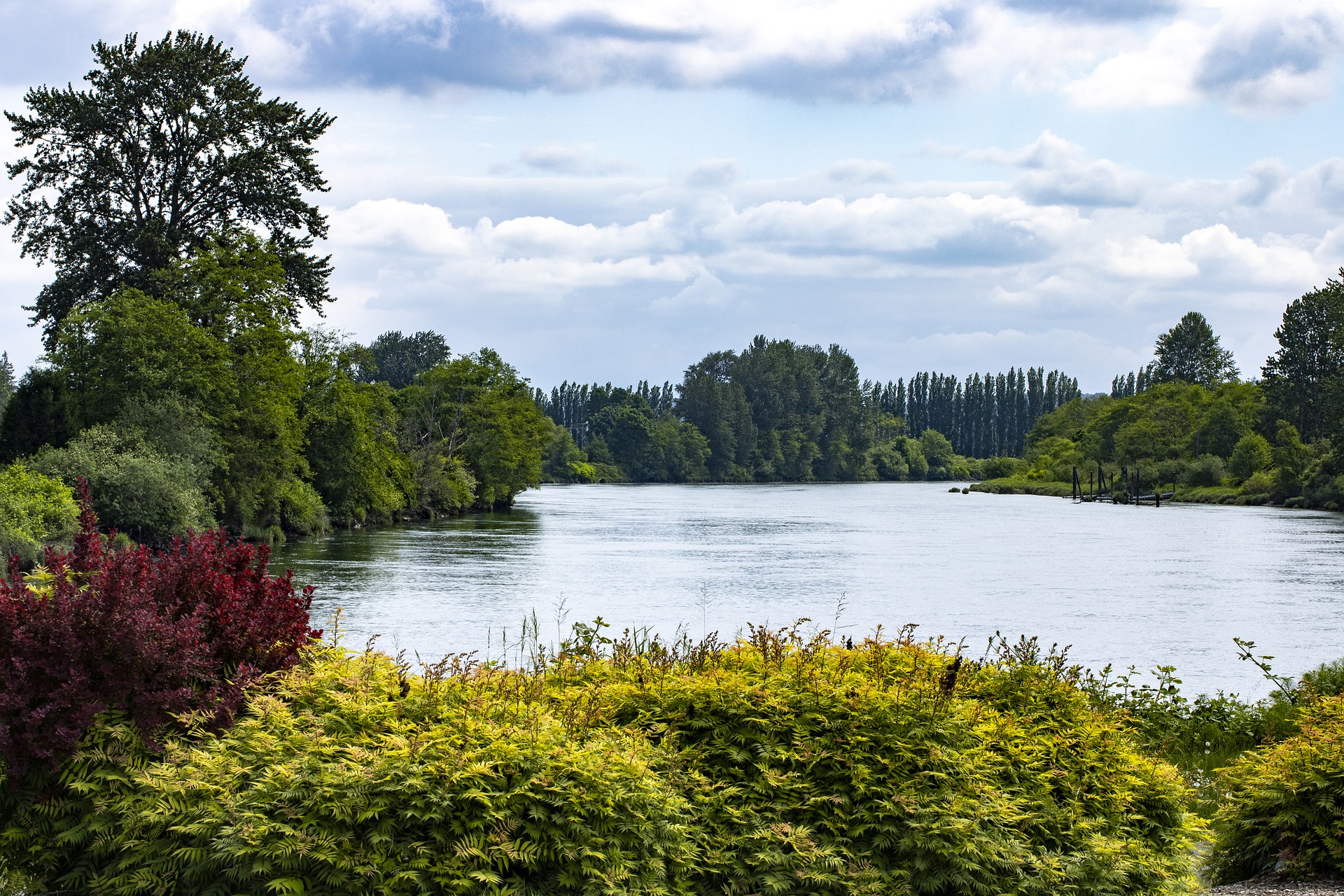
Rivers are not merely bodies of water; they are the lifelines of civilizations, shaping landscapes, cultures, and economies. In India, profound significance is held by rivers, not only as sources of sustenance but also as repositories of myth, tradition, and spirituality. From the mighty Ganges to the serene Brahmaputra, India’s rivers have woven themselves into the fabric of the nation’s identity. In this discourse, we embark on a journey to explore some of India’s most famous rivers, delving into their historical, cultural, and ecological importance.
The Ganges:
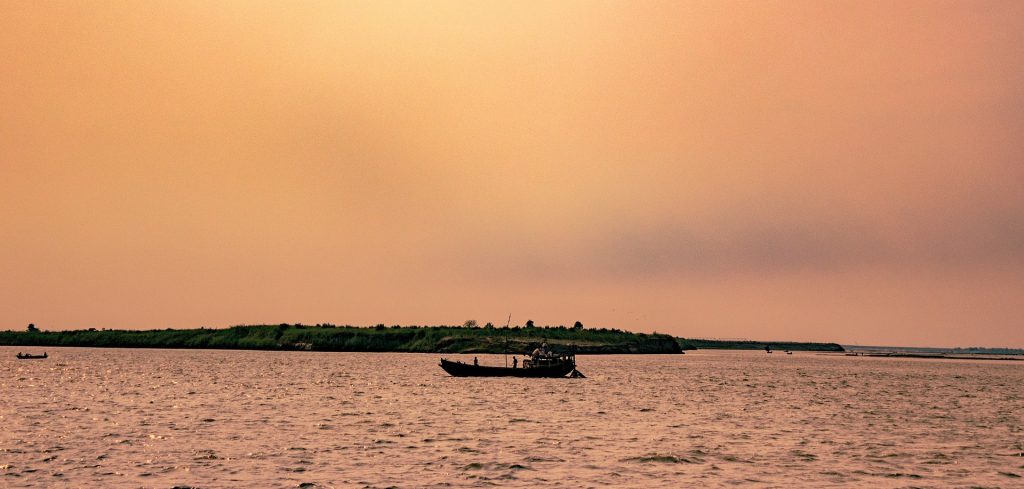
The Ganges, often revered as ‘Mother Ganga,’ is perhaps the most sacred river in India. Originating from the Gangotri Glacier in the Himalayas, it traverses over 2,500 kilometers across the northern plains before emptying into the Bay of Bengal. The Ganges is not only a physical entity but a spiritual force deeply ingrained in the collective consciousness of the Indian people. Millions of devotees flock to its banks to perform rituals, seek purification, and cremate their loved ones, believing the river’s waters possess divine healing properties. Varanasi, Haridwar, and Allahabad hold immense religious significance owing to their proximity to the Ganges, attracting pilgrims from far and wide. However, despite its spiritual reverence, numerous challenges, including pollution, over-extraction, and encroachment, threatening its ecological integrity and cultural significance are faced by the Ganges.
The Yamuna:
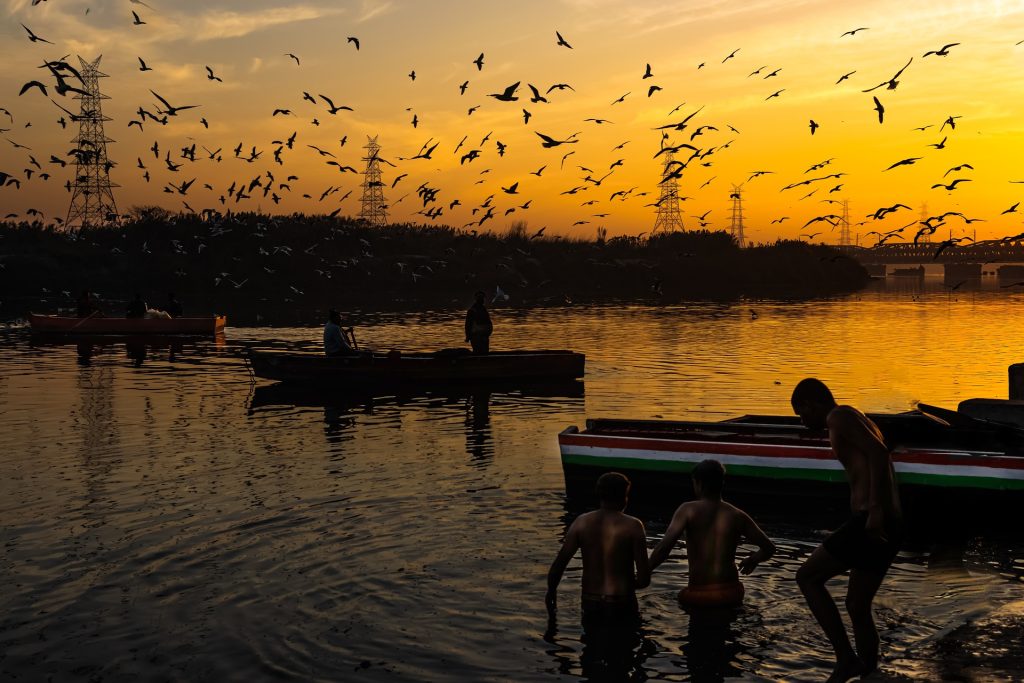
Flowing parallel to the Ganges, the Yamuna is another revered river in Indian mythology. Originating from the Yamunotri Glacier in the Himalayas, it merges with the Ganges at Allahabad. The Yamuna holds particular significance for Hindus, believed to be the sister of Lord Krishna. However, rampant pollution from industrial waste, sewage, and agricultural runoff has severely degraded its water quality, posing significant health hazards to millions of people dependent on it for drinking water and irrigation. Efforts are underway to rejuvenate the Yamuna through various initiatives, including river cleaning campaigns and sewage treatment projects, but much remains to be done to restore its pristine glory.
The Brahmaputra:
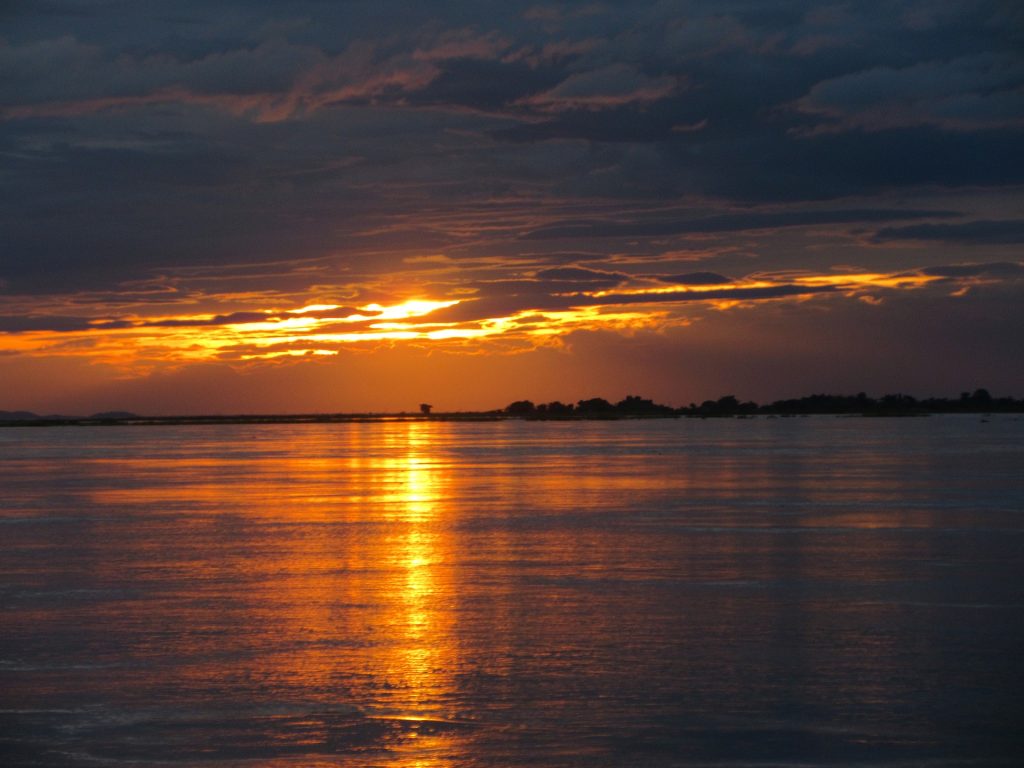
In northeastern India, the Brahmaputra is one of the region’s most majestic rivers. Originating from the Tibetan Plateau, it flows through the Indian states of Arunachal Pradesh and Assam before merging with the Ganges in Bangladesh. The Brahmaputra, known as ‘Tsangpo’ in Tibet, holds immense ecological importance, supporting diverse flora and fauna in its basin, including the iconic Indian rhinoceros and Bengal tiger. Furthermore, a crucial role is played by the river in shaping the livelihoods of millions of people through agriculture, fishing, and transportation. However, recurring floods and erosion along its banks pose significant challenges to communities living in its vicinity, necessitating sustainable flood management strategies and infrastructure development.
The Indus:
The mighty Indus, one of the world’s longest rivers, has been the cradle of ancient civilizations in the Indian subcontinent. Originating from the Tibetan Plateau, it flows through the Indian-administered union territory of Ladakh before traversing through Pakistan. The Indus Valley Civilization, one of the world’s earliest urban civilizations, flourished along its banks around 5,000 years ago, leaving behind a rich legacy of art, architecture, and urban planning. Today, the Indus remains a vital lifeline for agriculture and hydroelectric power generation in both India and Pakistan. However, political tensions between the two countries over water-sharing agreements and dam construction projects have raised concerns about the river’s future sustainability and ecological integrity.
Conclusion:
India’s rivers are not merely geographical features but embodiments of history, culture, and spirituality. Ecosystems are sustained by them, nourish livelihoods, and connect diverse communities across the length and breadth of the country. However, rapid urbanization, industrialization, and climate change pose existential threats to their health and vitality. As custodians of these invaluable resources, it is incumbent upon us to adopt sustainable practices, promote conservation efforts, and foster transboundary cooperation to ensure the preservation of India’s iconic rivers for generations to come. Only through collective action and stewardship can we safeguard these lifelines of our nation and uphold their timeless legacy.