



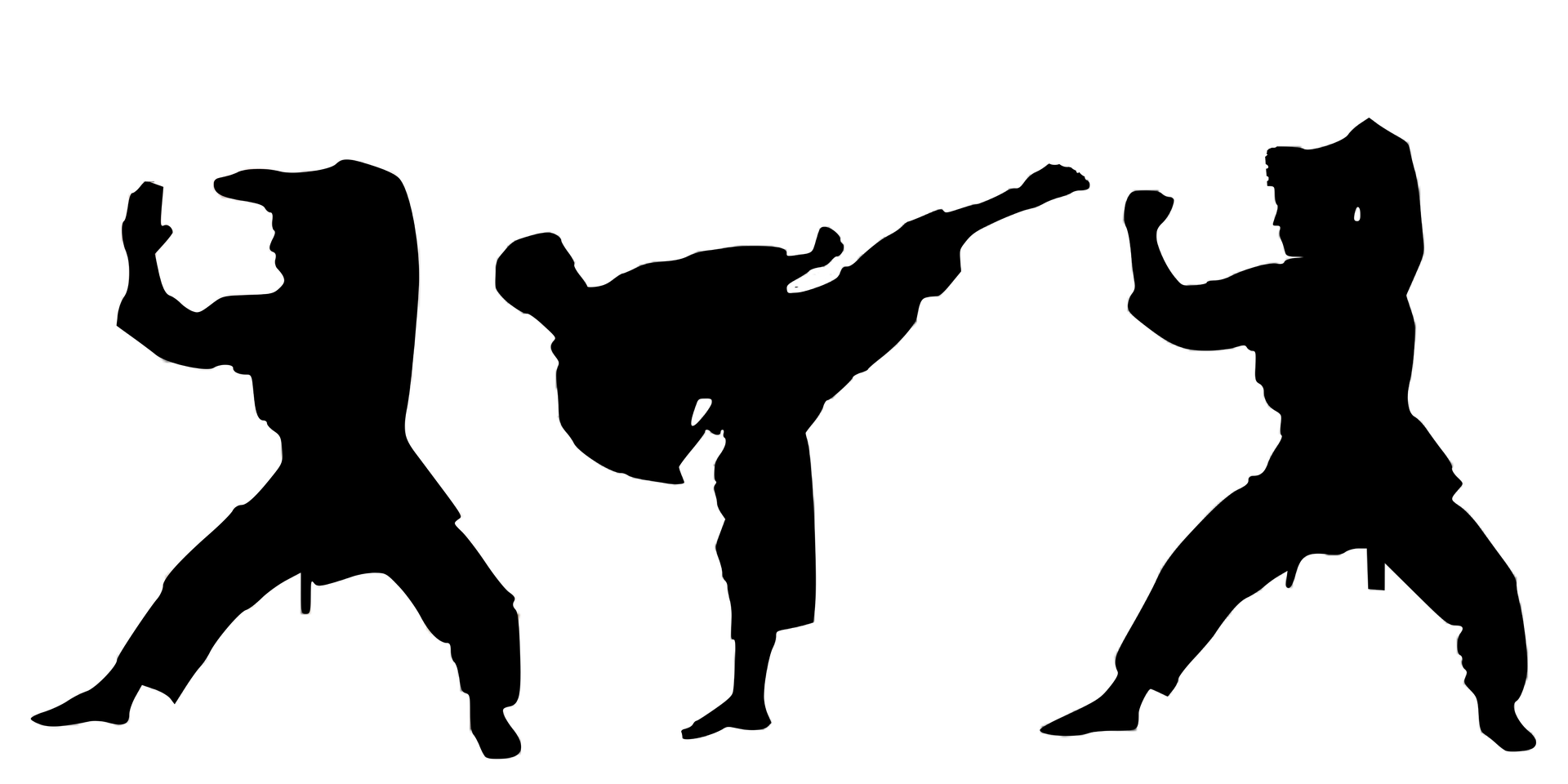
A diverse array of combat practices originating from different cultures across the globe is represented by martial arts. These disciplines embody centuries of tradition, philosophy, and physical prowess, each with its unique techniques, principles, and cultural significance. From the disciplined strikes of karate to the graceful movements of tai chi, martial arts offer a profound insight into human physical and mental capabilities. In this comprehensive exploration, we delve into the multifaceted world of martial arts, examining distinct styles, their origins, and their key characteristics.
Karate: The Way of the Empty Hand
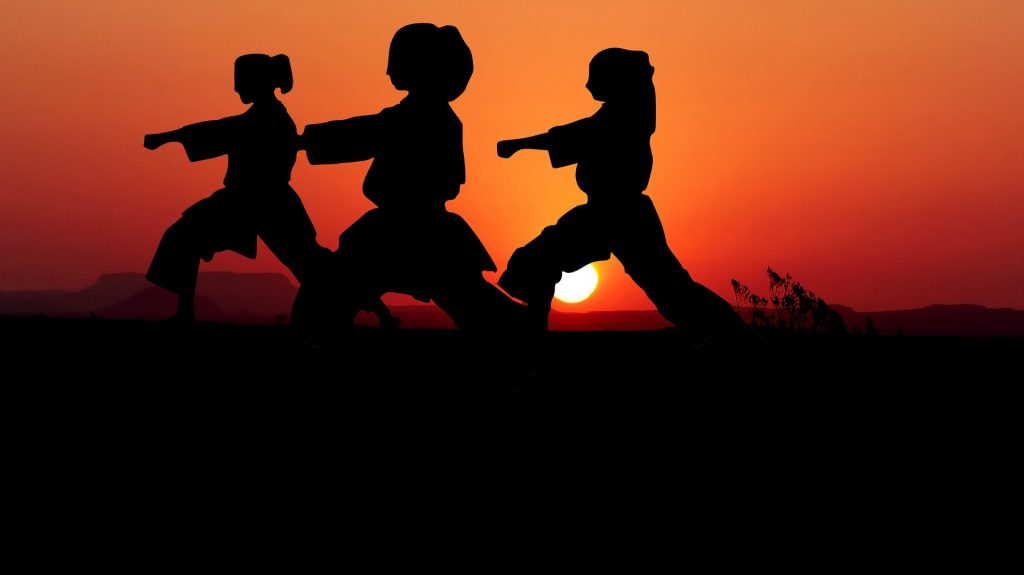
Originating from the island of Okinawa, Japan, karate has evolved into one of the most widely practiced martial arts worldwide. Translating to “empty hand” in Japanese, karate emphasizes striking techniques using the hands, feet, elbows, and knees. Practitioners of karate, known as karatekas, undergo rigorous training to develop strength, speed, and precision in their movements. Kata, a series of choreographed forms, and kumite, sparring against opponents, are fundamental aspects of karate training. Beyond physical prowess, karate embodies principles of discipline, respect, and humility, making it not only a formidable combat style but also a path to personal development.
Taekwondo: The Art of Kicking and Punching
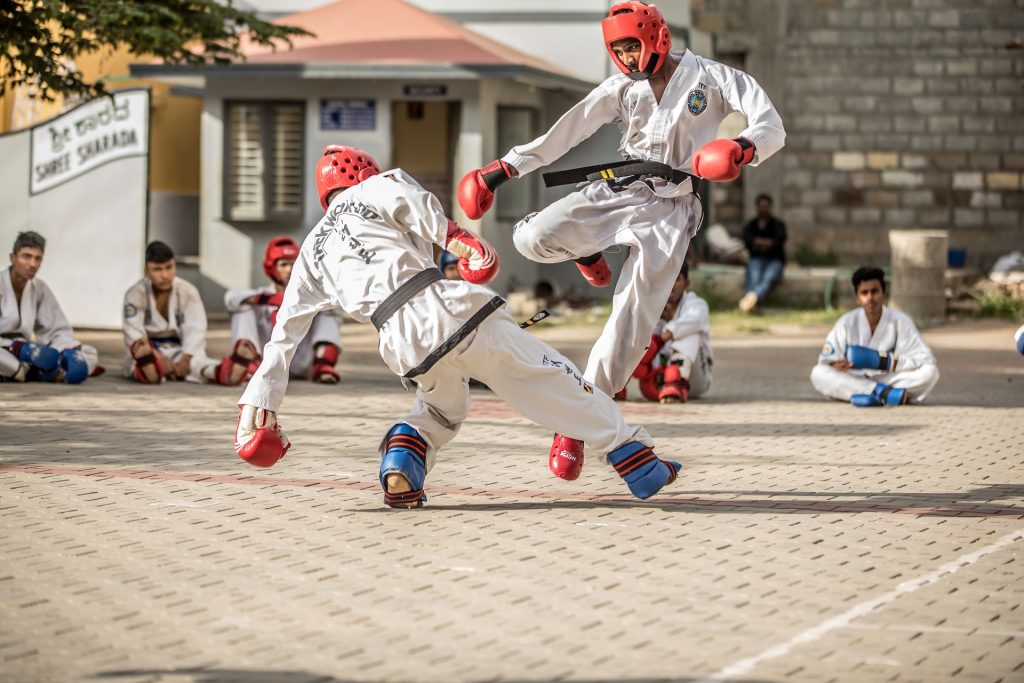
Hailing from Korea, taekwondo is renowned for its emphasis on powerful and dynamic kicking techniques. With roots dating back over two millennia, taekwondo has evolved into an Olympic sport and a globally practiced martial art. Characterized by its high, fast kicks and agile footwork, a significant emphasis on flexibility, balance, and speed is placed by taekwondo. Practitioners, known as taekwondoists, undergo rigorous training that includes forms (poomsae), sparring (kyorugi), and breaking techniques (gyeorugi). Beyond combat skills, taekwondo instills values such as courtesy, integrity, perseverance, self-control, and indomitable spirit, shaping individuals both physically and mentally.
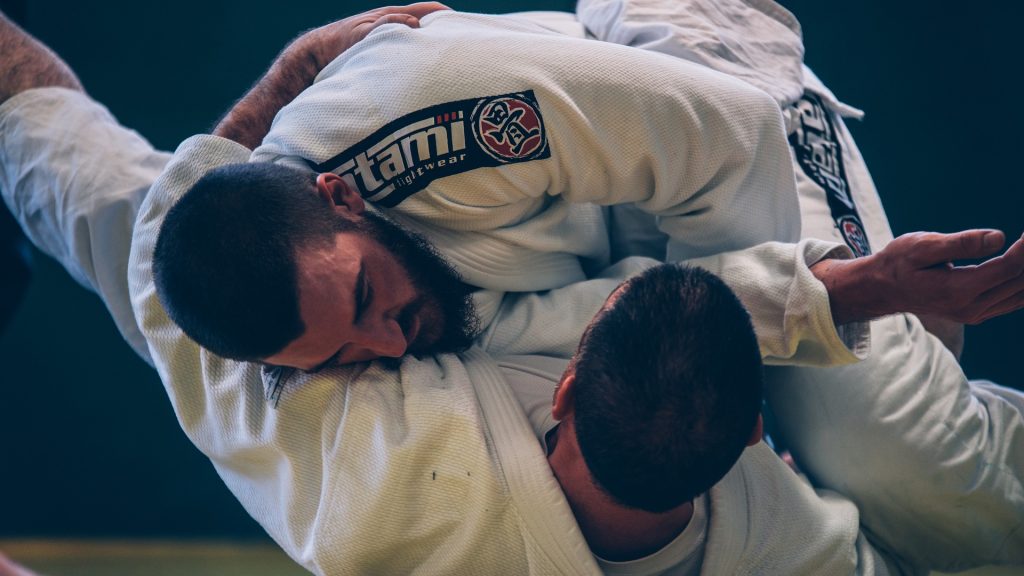
Brazilian Jiu-Jitsu: The Gentle Art of Submission
Brazilian Jiu-Jitsu (BJJ) emerged from the Japanese martial art of judo and traditional jiu-jitsu, but it has developed its unique identity over the years. Unlike many other martial arts that focus on striking, BJJ prioritizes ground fighting and submission techniques. Practitioners, known as grapplers, learn how to leverage technique and leverage rather than relying solely on strength, making it suitable for practitioners of all sizes. Sparring sessions known as rolling, where practitioners aim to submit their opponents using joint locks or chokeholds, is typically involved in BJJ training. With its emphasis on technique, strategy, and adaptability, BJJ has gained popularity not only in combat sports but also in self-defense and mixed martial arts competitions.
Muay Thai: The Art of Eight Limbs
Originating from Thailand, Muay Thai, also known as Thai boxing, is a striking-based martial art that utilizes punches, kicks, elbows, and knee strikes. Often referred to as “the art of eight limbs,” Muay Thai practitioners are adept at using all parts of their body for offensive and defensive purposes. With its relentless pace and powerful strikes, Muay Thai is renowned for its effectiveness in both competition and self-defense scenarios. rigorous conditioning, technical drills, and sparring sessions are involved in training in Muay Thai. Beyond its physical demands, Muay Thai embodies the rich cultural heritage of Thailand, with rituals and ceremonies integral to its practice.
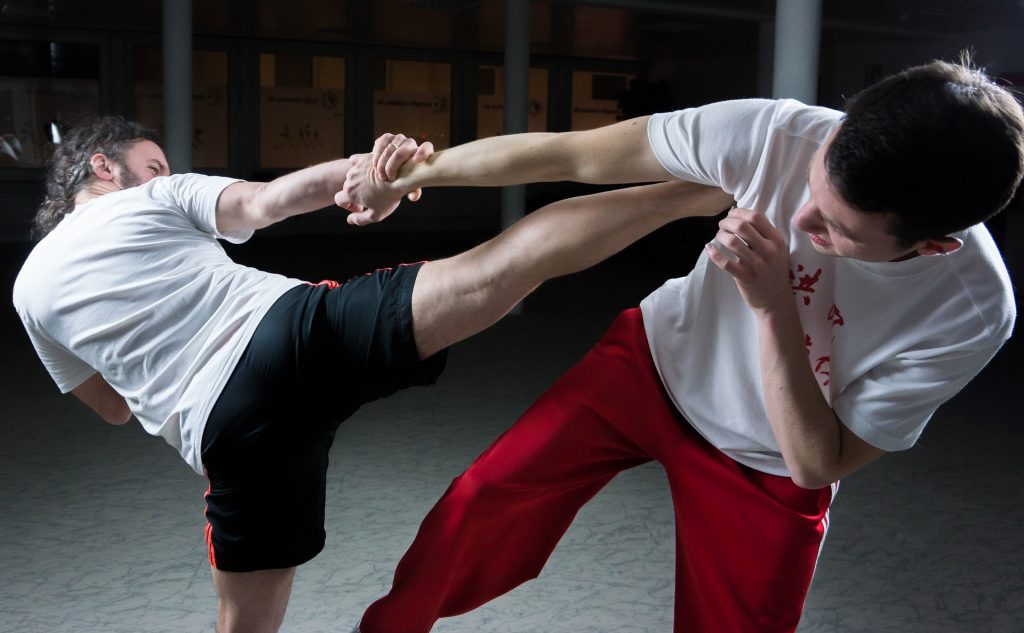
Kung Fu: The Ancient Chinese Martial Arts
A vast array of Chinese martial arts styles, each with its unique techniques and philosophies, is also encompassed in Kung Fu, also known as Wushu. With roots dating back thousands of years, Kung Fu encompasses both external styles, focusing on physical strength and agility, and internal styles, emphasizing breath control, meditation, and energy manipulation. Practiced by monks, soldiers, and ordinary citizens alike, Kung Fu is deeply intertwined with Chinese culture and philosophy, embodying principles such as harmony, balance, and discipline. Training in Kung Fu involves forms practice (taolu), sparring (sanshou), and the study of weapons such as swords, staffs, and spears. Beyond its practical applications, Kung Fu serves as a vehicle for spiritual growth and self-discovery.
Conclusion
Martial arts represent a rich tapestry of human culture, history, and physical prowess. From the disciplined strikes of karate to the graceful movements of tai chi, each style offers its unique insights into combat, philosophy, and personal development. By exploring the diverse array of martial arts, we gain a deeper understanding of human potential and the myriad ways in which individuals seek to cultivate strength, discipline, and resilience. Whether as a means of self-defense, physical fitness, or spiritual growth, martial arts continue to captivate and inspire practitioners around the world, transcending borders and cultures.