





Introduction:
Domestic violence is a pervasive issue that affects individuals of all genders, ages, socioeconomic backgrounds, and cultures worldwide. Despite increased awareness and advocacy efforts, it remains a pressing societal concern with far-reaching consequences. This essay delves into the complexities of domestic violence, exploring its various forms, contributing factors, impacts, and avenues for prevention and intervention.

Forms of Domestic Violence:
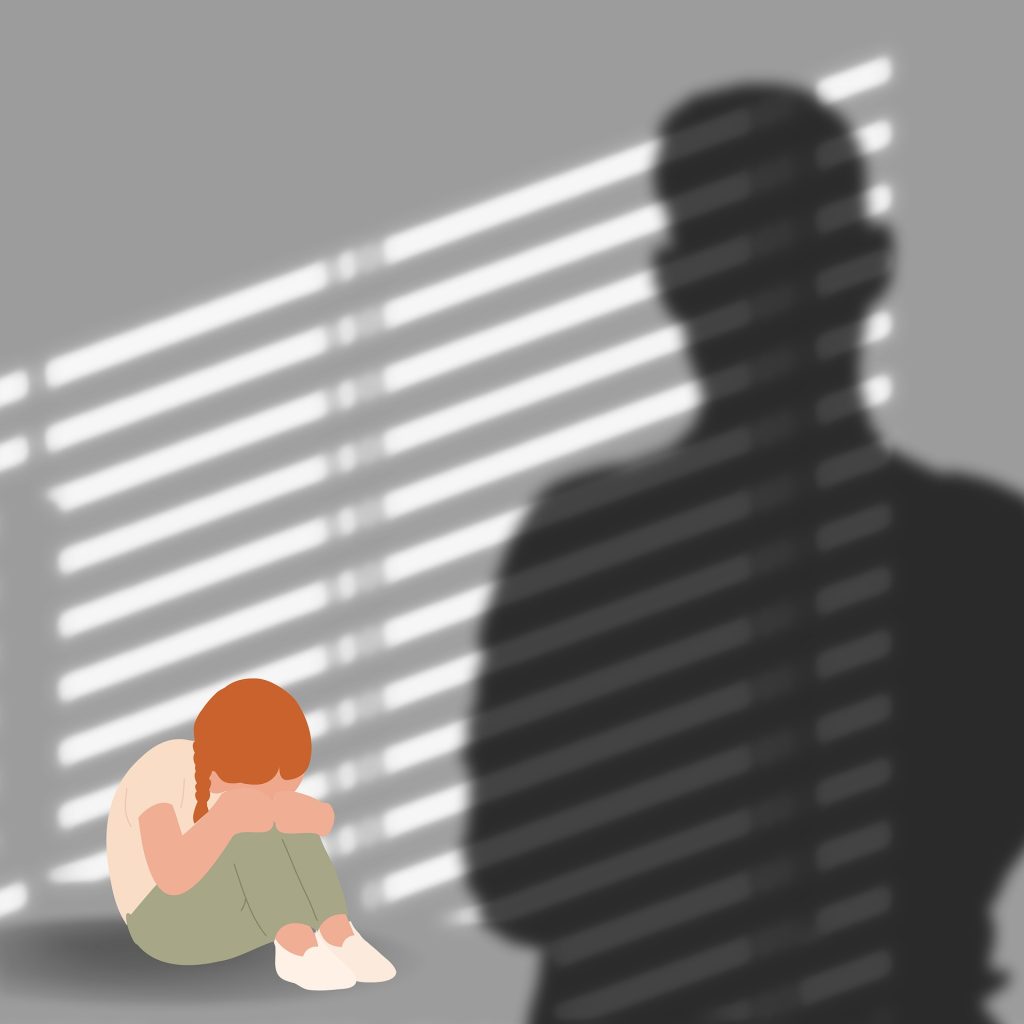
A range of abusive behaviors, including physical, emotional, psychological, sexual, and financial abuse are encompassed by domestic violence. Hitting, punching, kicking, or using weapons to inflict harm might involved in physical violence. Emotional and psychological abuse can manifest as manipulation, intimidation, humiliation, and threats. Sexual abuse involves coercion, assault, or exploitation within intimate relationships. Financial abuse entails controlling finances, limiting access to resources, or sabotaging employment opportunities, leaving victims economically dependent and vulnerable.
Contributing Factors:
Numerous factors contribute to the perpetuation of domestic violence, including societal norms, cultural attitudes, and individual characteristics. Gender inequality and traditional gender roles can exacerbate power imbalances within relationships, enabling abusive behavior. Additionally, substance abuse, mental health issues, and a history of trauma may increase the likelihood of perpetrating or experiencing violence. Economic stressors, lack of access to resources, and social isolation can also compound the risk of abusive dynamics.

Impacts of Domestic Violence:
The ramifications of domestic violence extend far beyond immediate physical injuries. Long-term physical health problems, including chronic pain, injuries, and disabilities might be experienced by victims. Moreover, the psychological toll of abuse can result in anxiety, depression, post-traumatic stress disorder (PTSD), and suicidal ideation. Children who witness domestic violence are at risk of developmental delays, behavioral problems, and emotional disturbances, perpetuating intergenerational cycles of abuse.
Barriers to Seeking Help:
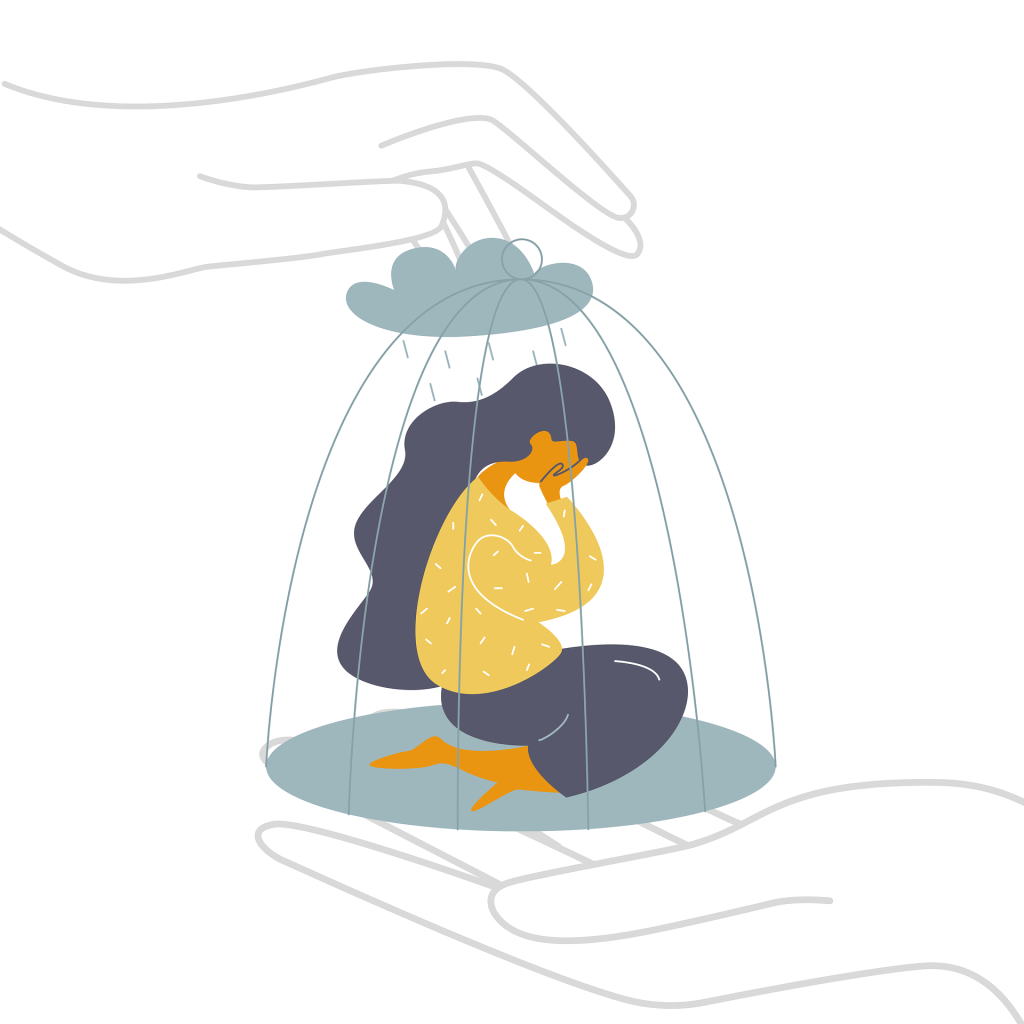
Despite the prevalence and severity of domestic violence, significant barriers are faced by many survivors for seeking help and escaping from abusive situations. Fear of retaliation, shame, stigma, and societal pressures to maintain the appearance of a “happy” family can deter individuals from disclosing abuse or seeking support. Furthermore, systemic barriers, such as inadequate access to shelters, legal protections, and culturally competent services, can impede survivors’ ability to leave abusive relationships safely.
Prevention and Intervention Strategies:
Addressing domestic violence requires multifaceted approaches that encompass prevention, early intervention, and support for survivors. Education and awareness campaigns aimed at challenging harmful gender norms, promoting healthy relationships, and fostering bystander intervention can help prevent violence before it occurs. Additionally, it is crucial to provide comprehensive support services, including shelter, counseling, legal advocacy, and economic empowerment programs for assisting survivors in rebuilding their lives and breaking free from cycles of abuse.
Legal and Policy Frameworks:
Effective legal and policy frameworks are essential for holding perpetrators accountable, protecting survivors’ rights, and preventing further harm. Laws criminalizing domestic violence, restraining orders, and mandatory arrest policies can serve as deterrents and provide avenues for legal recourse. However, enforcement mechanisms must be coupled with training for law enforcement officers, judges, and healthcare professionals to recognize and respond to domestic violence sensitively and effectively.
Community Engagement and Collaboration:
Creating safer communities requires collaborative efforts involving government agencies, community organizations, healthcare providers, law enforcement, and the private sector. Coordinated community responses that prioritize survivor-centered approaches, cross-sector partnerships, and data-driven strategies can enhance the effectiveness of interventions and support systems. Moreover, engaging men and boys as allies in preventing violence and promoting gender equality is essential for fostering long-term societal change.
Conclusion:
Domestic violence remains a pervasive social issue with profound consequences for individuals, families, and communities. By understanding its various forms, underlying factors, and impacts, we can work towards comprehensive prevention and intervention strategies that prioritize survivor safety, empowerment, and healing. Through collective action, advocacy, and systemic change, we can create a world where domestic violence is no longer tolerated, and all individuals can live free from fear and abuse.