





1. Hydration: Beating the Heat
During the scorching summer months, it’s crucial to prioritize hydration. The soaring temperatures can lead to excessive sweating, causing dehydration. To combat this, aim to drink plenty of fluids throughout the day, focusing primarily on water. Electrolyte-rich beverages such as coconut water or sports drinks can also help replenish lost minerals. Try to avoid excessive consumption of caffeinated or sugary drinks, as they can contribute to dehydration. Set reminders to drink water regularly, especially if you’re engaging in outdoor activities or spending prolonged periods in the sun.
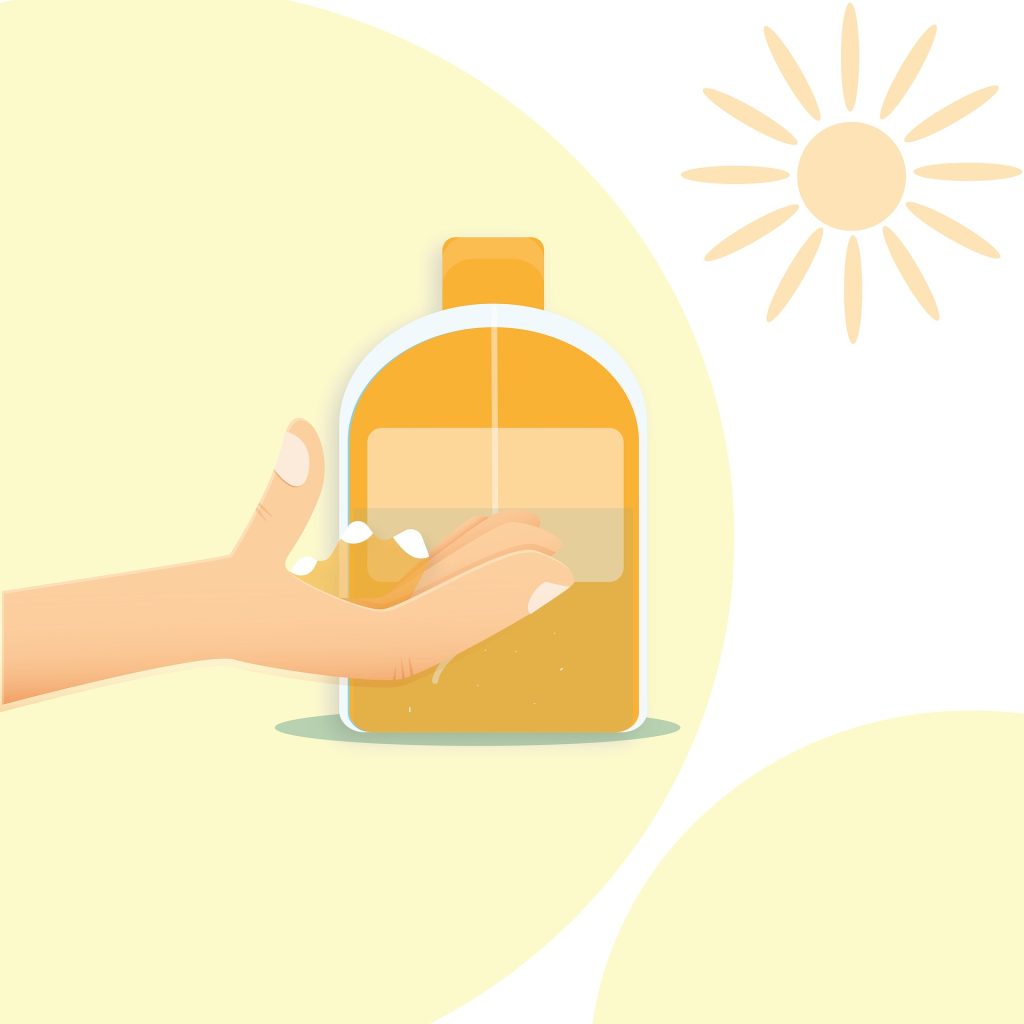
2. Sun Protection: Shielding Your Skin
The sun’s ultraviolet (UV) rays can harm the skin, leading to sunburn, premature aging, and an increased risk of skin cancer. To shield yourself from these dangers, sunscreen with a high SPF (Sun Protection Factor) can be applied before heading outdoors. Choose a broad-spectrum sunscreen that protects against UVA and UVB rays, and reapply it every two hours or more frequently if you’re swimming or sweating. Additionally, seek shade during the sun’s peak hours, typically between 10 a.m. and 4 p.m., and wear protective clothing such as wide-brimmed hats, sunglasses, and lightweight, long-sleeved garments.
3. Beat the Heat: Staying Cool and Comfortable
Summer heatwaves can be relentless, making it essential to find ways to stay cool and comfortable. Opt for lightweight, breathable clothing made from natural fibers like cotton or linen to allow air circulation and prevent overheating. A comfortable indoor temperature can be maintained by using fans or air conditioning, and consider taking cool showers or baths to lower your body temperature. Avoid strenuous activities during the hottest parts of the day, and if possible, plan outdoor activities for the early morning or evening when temperatures are cooler.
4. Food Safety: Preventing Foodborne Illnesses
An ideal environment for bacteria to thrive is created by warmer temperatures, increasing the risk of foodborne illnesses. To prevent food poisoning during the summer months, practice proper food safety measures. When picnicking or barbecuing outdoors, keep perishable foods like meat, poultry, seafood, and dairy products refrigerated until ready to cook or serve. Cross-contamination can be prevented by using separate cutting boards and utensils for raw and cooked foods, and ensuring that meats are cooked thoroughly to kill any harmful bacteria. When dining al fresco, keep perishable foods in coolers with ice packs to maintain a safe temperature.
5. Stay Active Safely: Exercise in the Heat
While staying active is essential for overall health and well-being, extra precautions are required to exercise in the summer heat to prevent heat-related illnesses. Choose cooler times of the day for outdoor workouts, such as early morning or late evening, and opt for shaded areas whenever possible. Wear moisture-wicking clothing that helps sweat evaporate quickly and aids in cooling. Hydrate before, during, and after exercise, and listen to your body’s cues – if you start feeling dizzy, nauseous, or excessively fatigued, take a break and seek shade immediately. Consider modifying your workout intensity or duration to adapt to the heat.
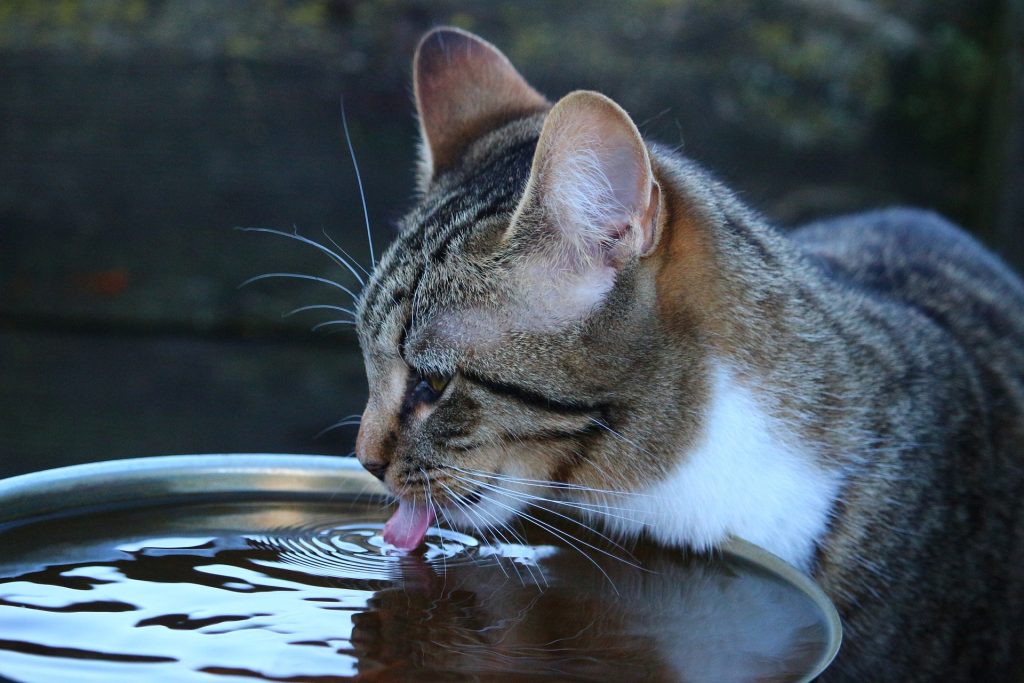
6. Pet Care: Keeping Furry Friends Safe
Just like humans, pets can suffer from heat-related illnesses if proper precautions aren’t taken during the summer months. Ensure that your pets have access to fresh, clean water at all times, and never leave them in a parked car, as temperatures can soar to dangerous levels within minutes. Limit outdoor exercise during the hottest parts of the day, and try to provide shaded areas for pets to retreat to when they need a break from the sun. Be mindful of hot pavement, which can burn your pet’s paw pads, and consider scheduling walks during cooler times of the day.
7. Stay Informed: Be Weather-Wise
Stay informed about weather forecasts and heat advisories in your area to better prepare for extreme heat events. Keep an eye on local news outlets, weather websites, or smartphone apps for updates on temperature fluctuations and heat index values. Heat-related illnesses can escalate quickly, so it’s essential to be aware of warning signs and know when to seek medical attention. Pay special attention to vulnerable populations such as the elderly, young children, and individuals with chronic medical conditions, as they may be more susceptible to heat-related complications. By staying informed and taking proactive measures, you can enjoy a safe and enjoyable summer season.