



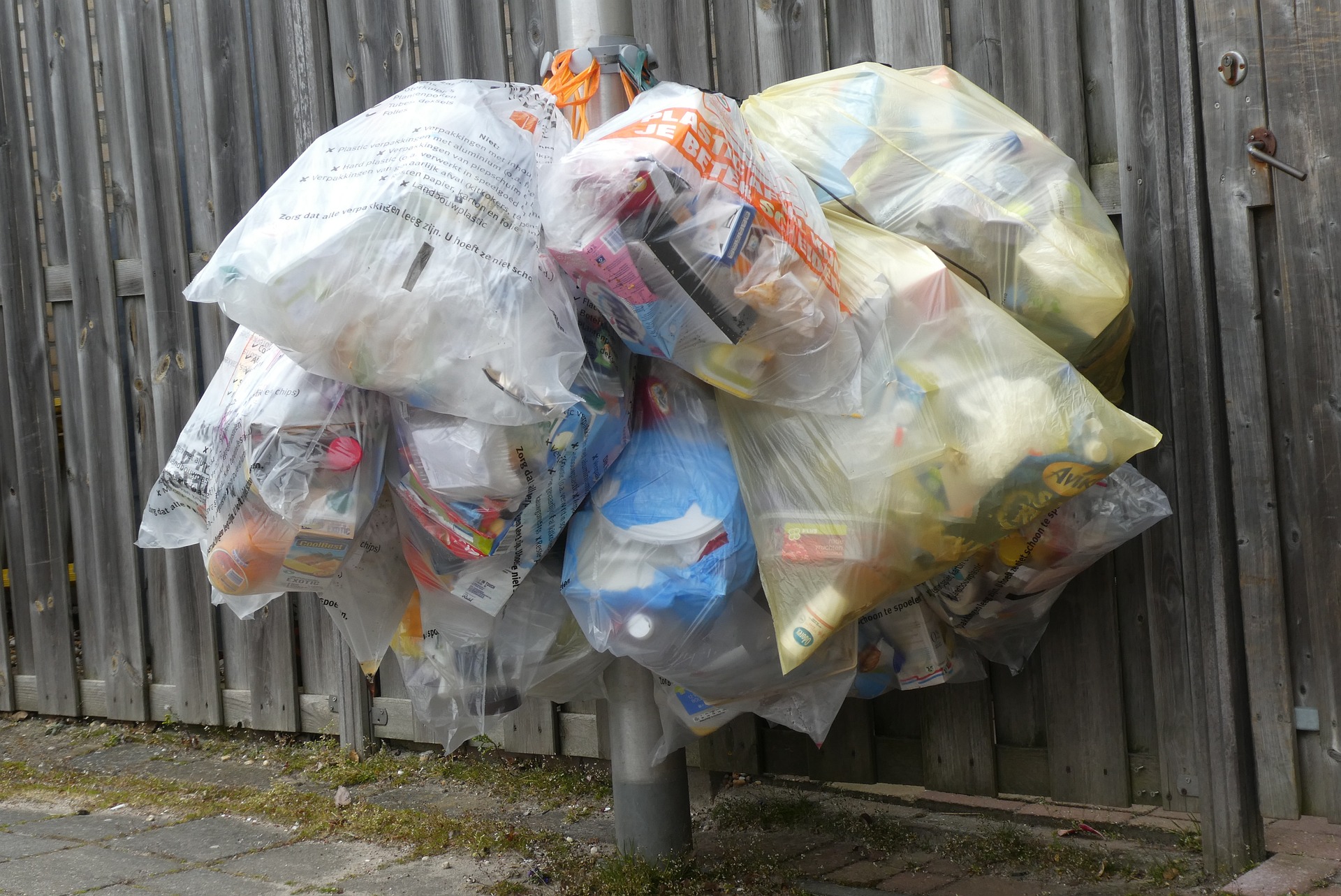
Single-use plastics have become ubiquitous in our daily lives, contributing to environmental degradation, pollution, and harm to marine life. However, with mindful choices and small changes in habits, individuals can significantly reduce their consumption of single-use plastics. This article explores practical tips for minimizing single-use plastic usage in daily routines, fostering a more sustainable lifestyle.

- Embrace Reusable Alternatives:
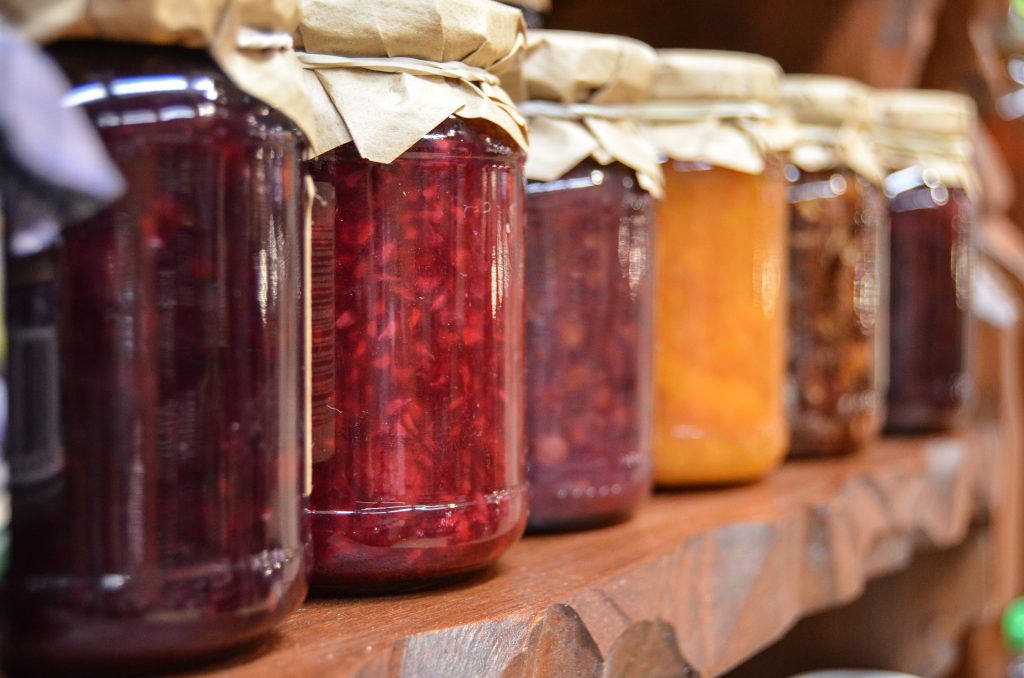
Replacing single-use plastic items with reusable alternatives is one of the most effective ways to cut down plastic waste. Invest in durable products such as stainless steel water bottles, glass jars for storage, and cloth tote bags for shopping. By carrying reusable items, the need for disposable plastics like plastic bottles, bags, and containers can be significantly reduced.
- Choose Sustainable Packaging:
When grocery shopping, opt for products with minimal or sustainable packaging. Look for items packaged in glass, paper, or cardboard instead of plastic. Buying in bulk can also help reduce packaging waste, as it decreases the number of individual containers used. Additionally, consider shopping at stores that offer refill stations for household items like detergents, soaps, and spices, allowing you to refill your containers and eliminate single-use plastic packaging altogether.
- Say No to Plastic Straws and Cutlery:
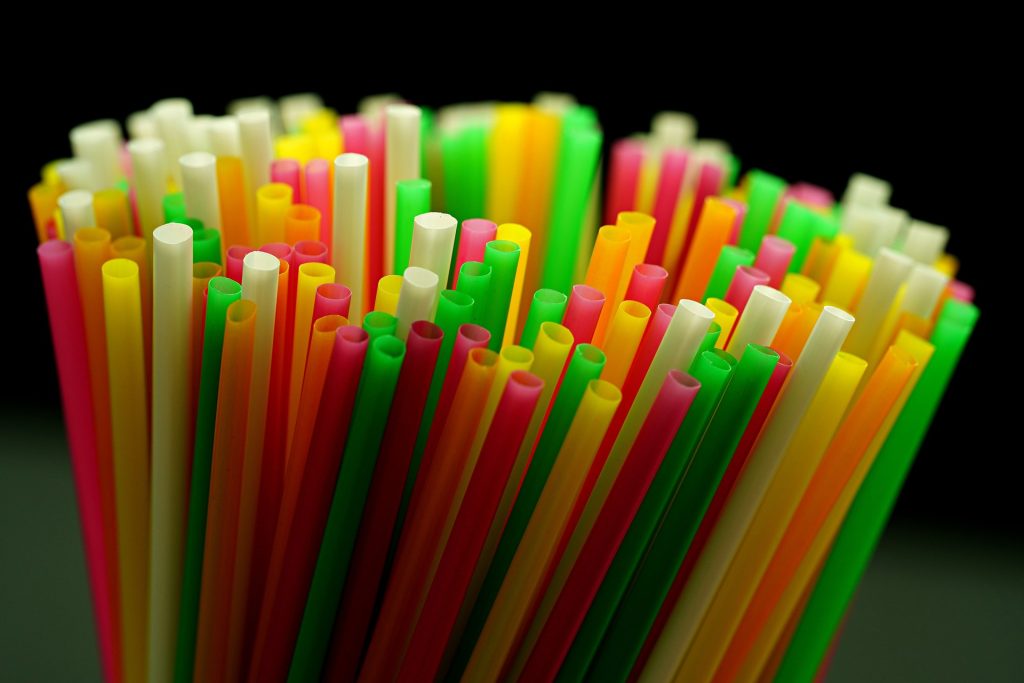
Plastic straws and cutlery are among the top contributors to plastic pollution, often ending up in oceans and harming marine life. Avoid single-use plastic straws by using alternatives like stainless steel, bamboo, or silicone straws. Similarly, carry a set of reusable cutlery with you to use when dining out or ordering takeout, reducing the need for disposable plastic utensils.
- Bring Your Own Containers:
When purchasing food from delis, bakeries, or takeaway restaurants, we can avoid single-use plastic packaging by bringing our own containers. Many establishments are accommodating to customers who bring their own containers, reducing waste generated from disposable containers and packaging. Additionally, discounts are offering by some coffee shops to customers who bring their own reusable cups, incentivizing the use of sustainable alternatives.
- Make Homemade Alternatives:
Instead of buying products packaged in single-use plastic, consider making homemade alternatives. For instance, prepare meals at home using fresh ingredients instead of buying pre-packaged convenience foods. Make your own snacks like granola bars, trail mix, or fruit leather, and store them in reusable containers. Not only does this reduce plastic waste, but it also allows you to customize recipes according to your preferences and dietary requirements.
- Opt for Plastic-Free Personal Care Products:
Many personal care products come packaged in plastic containers, contributing to plastic pollution. Look for plastic-free alternatives such as shampoo bars, solid soap bars, and toothpaste tablets, which are often packaged in recyclable or compostable materials. Additionally, consider purchasing products in bulk or refillable containers to minimize plastic packaging waste.

- Participate in Community Clean-Up Efforts:
Get involved in community clean-up initiatives aimed at reducing plastic pollution in local environments. Join beach clean-ups, river clean-ups, or neighborhood litter pick-up events to help remove plastic waste from natural habitats and public spaces. By volunteering your time and effort, you can contribute to a cleaner environment while raising awareness about the impacts of single-use plastics on ecosystems.
Conclusion:
conscious effort and commitment to adopting more sustainable practices are required to reduce single-use plastic in daily life requires . By embracing reusable alternatives, choosing products with minimal packaging, and making mindful consumption choices, individuals can significantly decrease their plastic footprint and contribute to a healthier planet. Through collective action and advocacy for plastic-free initiatives, we can work towards a future where single-use plastics are minimized, and our environment is preserved for future generations.