




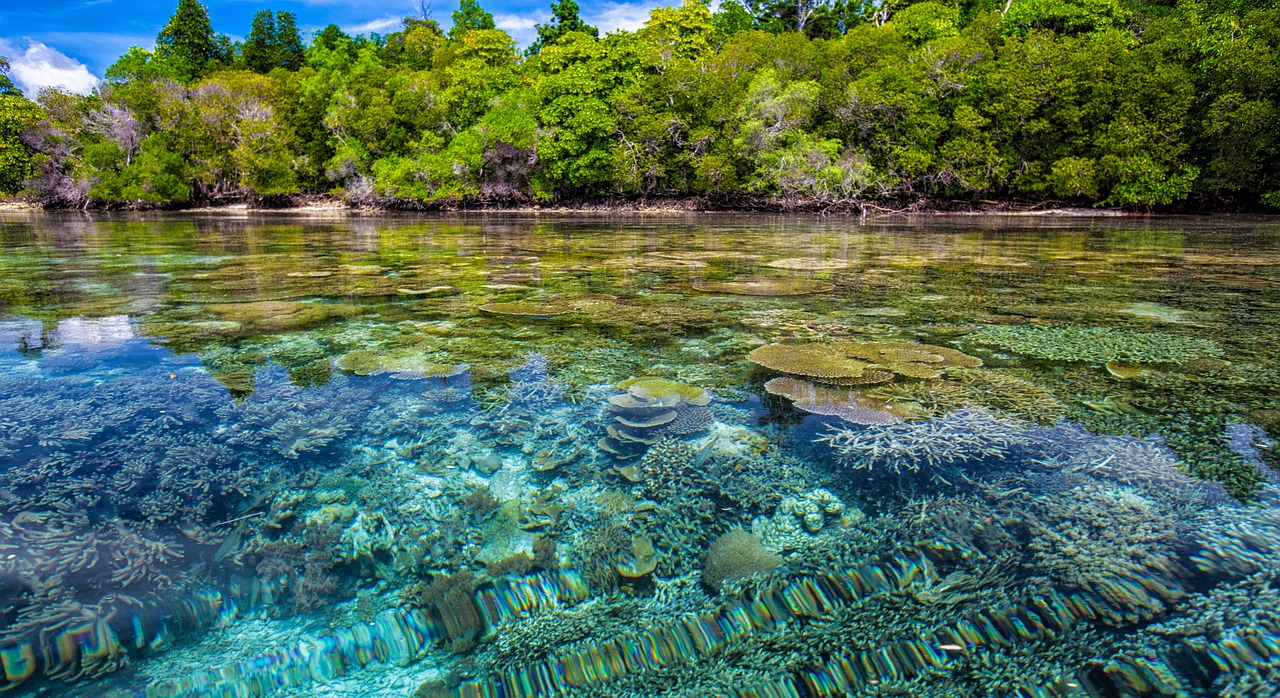
Coral reefs, often referred to as the rainforests of the ocean, are intricate ecosystems that support a staggering diversity of marine life. Despite their importance, coral reefs worldwide are facing unprecedented threats that jeopardize their existence. This article explores the multifaceted dangers that coral reefs confront, ranging from climate change and ocean acidification to overfishing and pollution, underscoring the urgent need for global action to preserve these vital ecosystems.
- Climate Change and Coral Bleaching
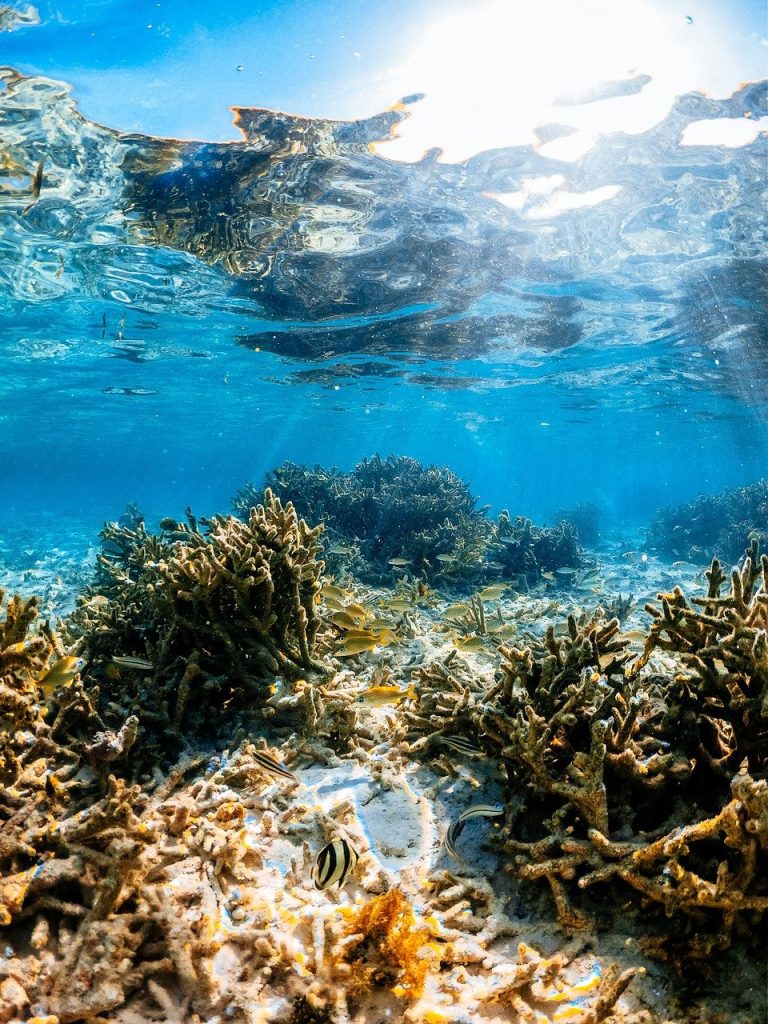
One of the most pressing threats to coral reefs is climate change, driven largely by the increase in greenhouse gas emissions. a phenomenon known as coral bleaching is triggered by rising sea temperatures, a direct consequence of global warming. Coral polyps, which form the foundation of coral reefs, have a symbiotic relationship with algae called zooxanthellae. When exposed to stressors like increased temperatures, corals expel these algae, resulting in a loss of vibrant colors and a weakened state. Prolonged or severe bleaching events can lead to coral mortality, disrupting the delicate balance of the entire reef ecosystem.
- Ocean Acidification
Ocean acidification is another consequence of elevated carbon dioxide (CO2) levels in the atmosphere. As the oceans absorb excess CO2, the water becomes more acidic. This acidification poses a significant threat to coral reefs as it impedes the ability of corals to build and maintain their calcium carbonate skeletons. Weakened coral structures make them more susceptible to physical damage from storms and other environmental stressors, exacerbating the challenges they face.

- Overfishing and Destructive Fishing Practices
Overfishing, driven by the demand for seafood, poses a direct threat to coral reefs. The delicate balance within reef ecosystems is disrupted by the removal of key species. Additionally, certain fishing practices, such as blast fishing and cyanide fishing, cause extensive physical damage to coral reefs. These destructive methods not only harm the targeted fish but also result in collateral damage to the surrounding coral habitat. Implementing sustainable fishing practices and enforcing marine protected areas are essential steps in mitigating the impacts of overfishing.
- Pollution: Land-Based and Marine
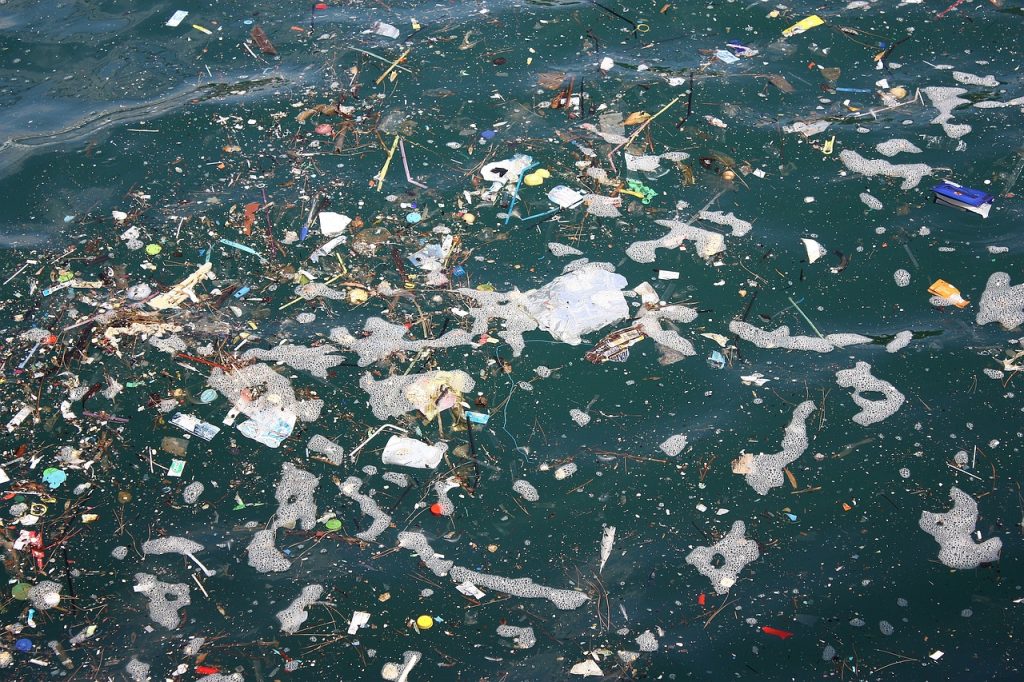
Pollution, both from land-based sources and marine activities, is a pervasive threat to coral reefs. Agricultural runoff, carrying sediments, nutrients, and pesticides, can lead to nutrient enrichment in coastal waters. The growth of harmful algae that can outcompete corals for space and resources are encouraged by this excess nutrient load, particularly nitrogen and phosphorus. Oil spills, plastic debris, and other pollutants further degrade water quality, impacting the health of coral reefs and the organisms that depend on them.

- Coastal Development and Habitat Destruction
Rapid coastal development and habitat destruction pose significant threats to coral reefs. Reclamation of land for tourism, urbanization, and infrastructure projects often results in the destruction of nearshore habitats critical for the survival of coral reefs. Increased sedimentation, a byproduct of such activities, can smother coral polyps and reduce light penetration, hindering the photosynthetic capabilities of corals and their symbiotic algae.
Conclusion
Coral reefs, integral to the health of marine ecosystems and the livelihoods of millions, face an array of interconnected threats that demand immediate attention and concerted global efforts. Addressing the root causes of these challenges requires a comprehensive approach that encompasses sustainable environmental policies, international cooperation, and community engagement. The urgency of the situation necessitates a paradigm shift toward more sustainable practices, from reducing carbon emissions and adopting responsible fishing methods to implementing stringent pollution control measures.
Efforts to protect and restore coral reefs must involve collaboration between governments, conservation organizations, researchers, and local communities. The preservation of these underwater rainforests not only safeguards biodiversity but also ensures the well-being of communities dependent on reefs for food, income, and cultural significance. Only through collective action and a commitment to responsible environmental stewardship can we hope to secure a future where coral reefs thrive and continue to enchant us with their vibrant biodiversity and ecological resilience.