



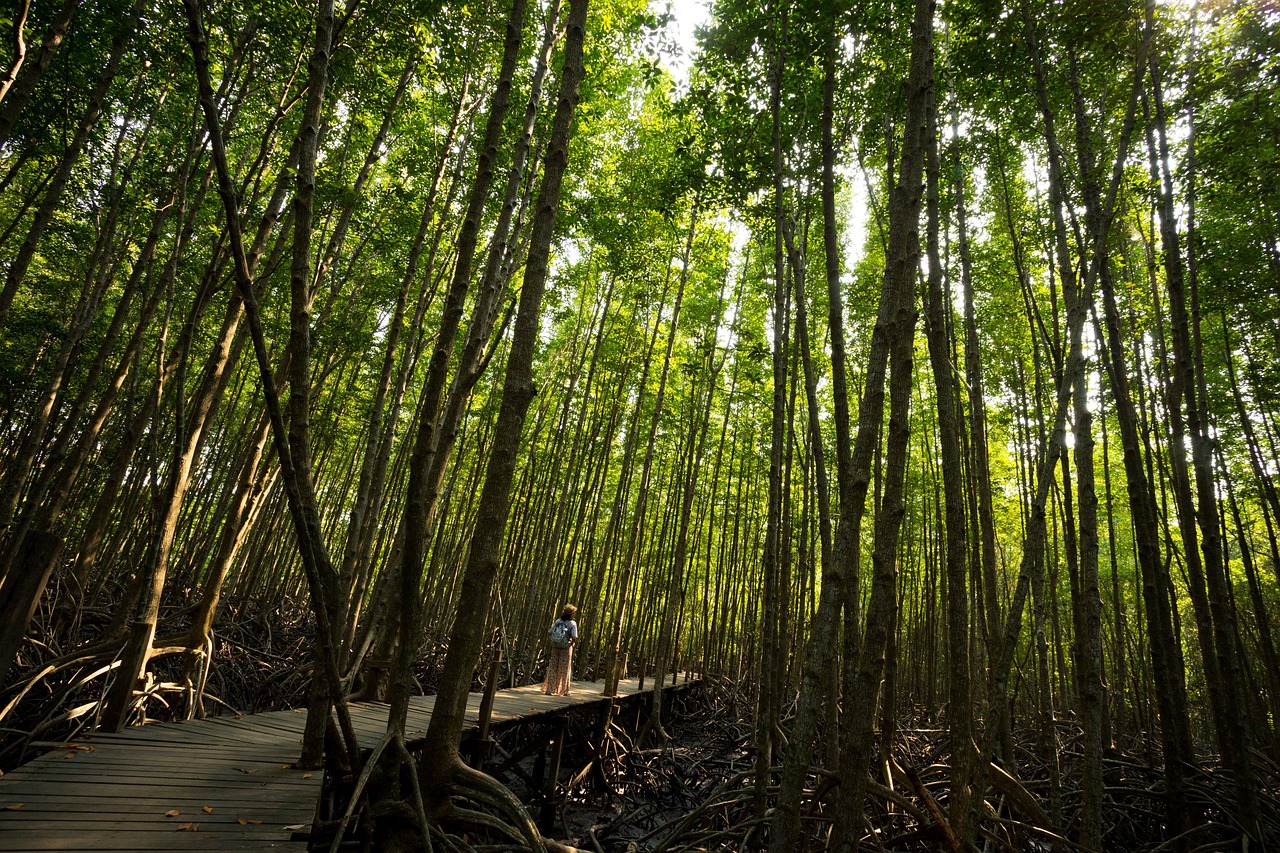
Mangrove forests, often overlooked and undervalued, are one of the most biologically diverse and ecologically important ecosystems on the planet. Characterized by their distinctive intertwining root systems and ability to thrive in coastal intertidal zones, mangroves provide a myriad of benefits to both the environment and human societies. From protecting coastlines against erosion and storm surges to providing habitats for countless species, the significance of mangrove forests cannot be overstated. In this essay, we will explore the multifaceted benefits of mangrove forests and why their conservation is imperative.
Biodiversity Hotspots
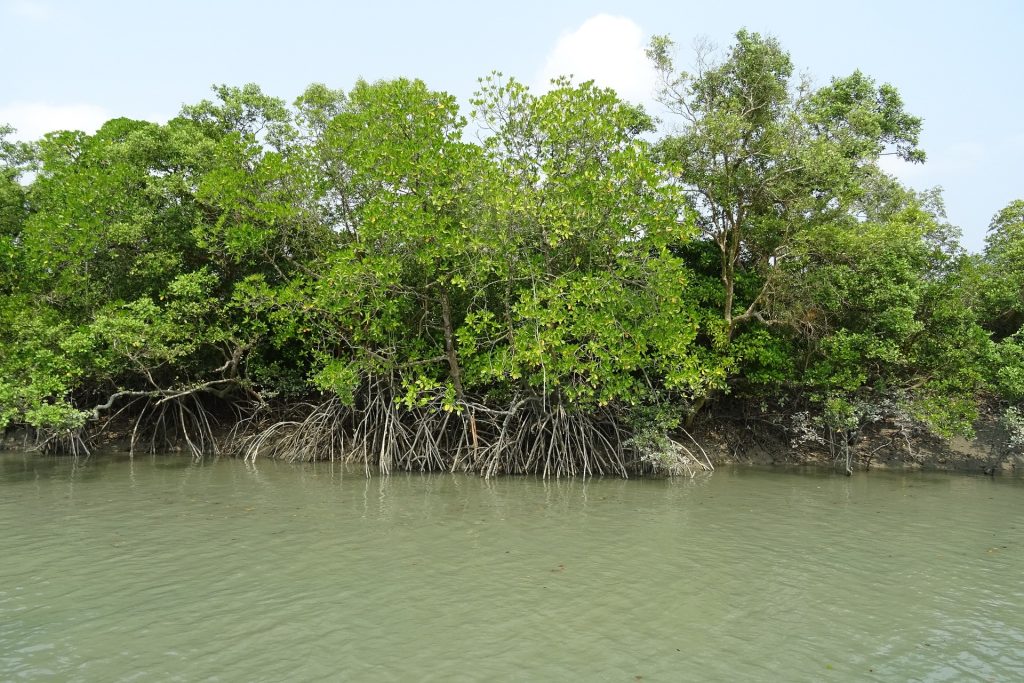
Mangrove forests serve as critical habitats for a wide array of plant and animal species. Breeding grounds, nurseries, and shelter for numerous marine species, including fish, crustaceans, and mollusks are provided by these unique ecosystems. Additionally, a variety of terrestrial species, such as birds and mammals, which rely on the forests for food and nesting sites are supported by mangroves. The intricate network of roots and branches within mangrove habitats offers a haven for wildlife, contributing to the overall biodiversity of coastal regions.
Coastal Protection
One of the most well-known benefits of mangrove forests is their role in coastal protection. The dense root systems of mangroves stabilize coastlines and reduce the impact of erosion caused by waves and currents. By acting as natural barriers, mangroves help to prevent soil erosion, mitigate the effects of storms, and protect coastal communities from the devastating consequences of tsunamis and hurricanes. Studies have shown that mangrove forests can significantly reduce the intensity of wave energy, thereby safeguarding coastal infrastructure and livelihoods.
Carbon Sequestration
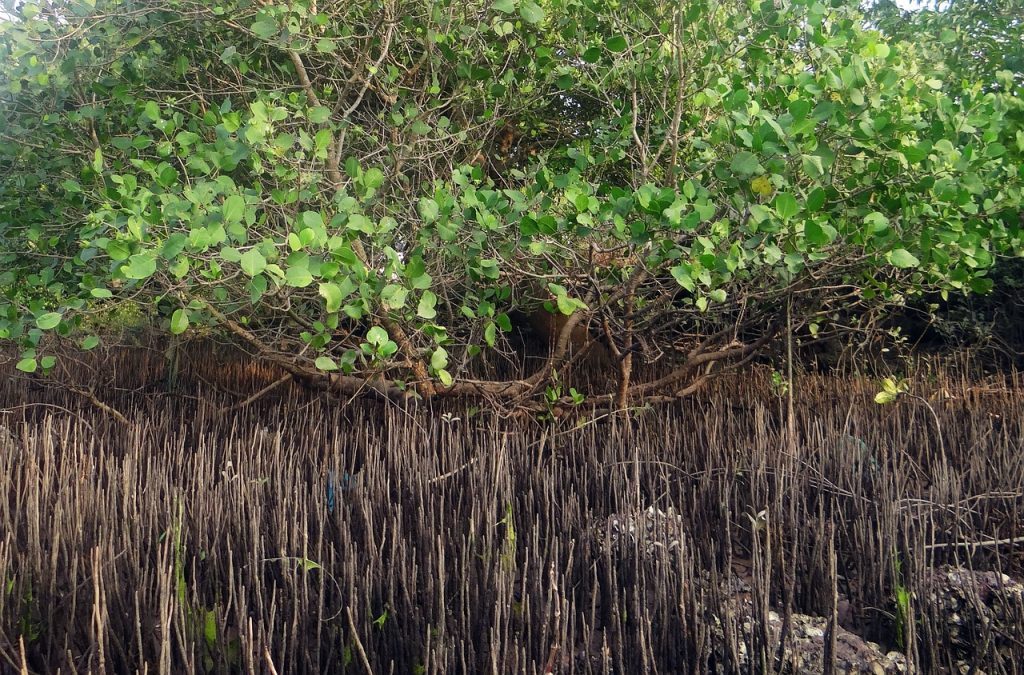
A crucial role is played by mangrove forests in mitigating climate change by sequestering large amounts of carbon dioxide from the atmosphere. Despite covering only a small fraction of the Earth’s surface, mangroves are highly efficient carbon sinks, storing carbon in both above-ground biomass and below-ground sediments. The rich organic material accumulated in mangrove soils over centuries contributes to the long-term storage of carbon, making these ecosystems invaluable in the fight against global warming. Moreover, a cost-effective strategy is offered by the preservation and restoration of mangrove forests for carbon offsetting and climate change adaptation.
Fisheries and Livelihoods
Mangrove forests support thriving fisheries that provide sustenance and livelihoods for millions of people worldwide. The intricate root systems of mangroves serve as nurseries for juvenile fish and shellfish, offering protection from predators and abundant food sources. Fishing communities rely on mangrove ecosystems for their subsistence and economic well-being, harvesting fish, shrimp, crabs, and other marine resources. In addition to supporting traditional fishing practices, mangroves also contribute to ecotourism opportunities, generating income for local economies through activities such as birdwatching, kayaking, and nature tours.
Water Filtration and Nutrient Cycling
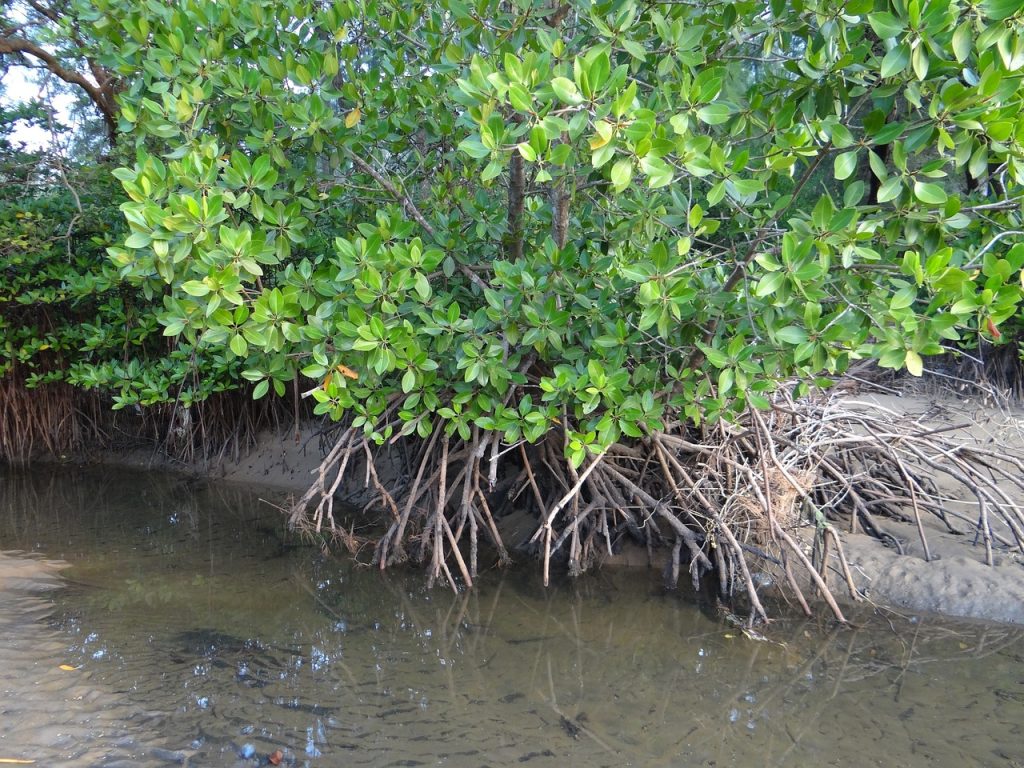
A crucial role is played by mangrove forests in maintaining water quality and regulating nutrient cycles in coastal ecosystems. The intricate root systems of mangroves trap sediments and filter pollutants, preventing them from entering adjacent marine environments. This natural filtration process helps to improve water clarity, reduce sedimentation, and remove excess nutrients, thereby enhancing the health of coral reefs and seagrass beds. Furthermore, nutrient cycling is facilitated by mangroves by capturing organic matter and recycling nutrients through leaf litter decomposition, which supports the productivity of adjacent ecosystems.
Cultural and Recreational Values
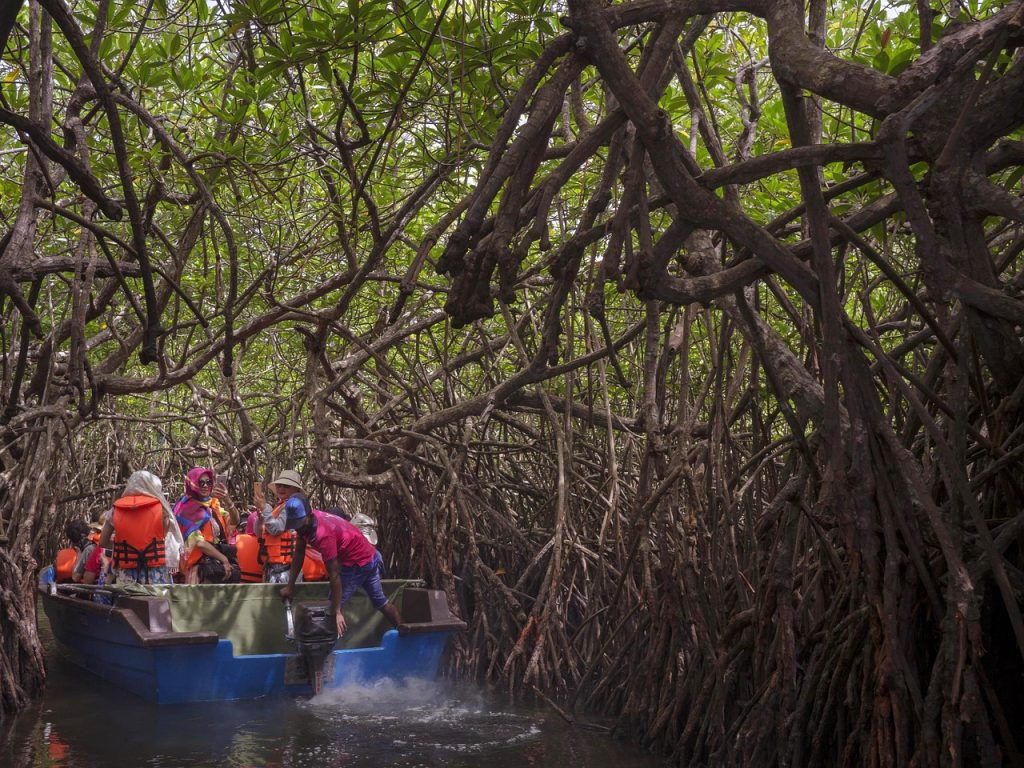
Beyond their ecological significance, mangrove forests hold cultural and recreational value for communities around the world. Many indigenous cultures have deep-rooted connections to mangrove ecosystems, viewing them as sacred sites and sources of traditional knowledge. Opportunities for recreational activities such as birdwatching, hiking, and photography, attracting tourists and nature enthusiasts to coastal areas are also provided by mangroves. The aesthetic beauty and tranquility of mangrove forests make them popular destinations for eco-tourism and nature-based recreation, contributing to local economies and fostering environmental stewardship.
In conclusion, mangrove forests are invaluable ecosystems that provide a multitude of benefits to both the environment and human societies. From coastal protection and carbon sequestration to biodiversity conservation and livelihood support, the importance of mangroves cannot be overstated. As global threats such as climate change, deforestation, and urbanization continue to endanger mangrove ecosystems, concerted efforts are needed to conserve and restore these vital habitats. By recognizing the ecological and societal value of mangroves, we can work towards ensuring their long-term survival and harnessing their benefits for future generations.