




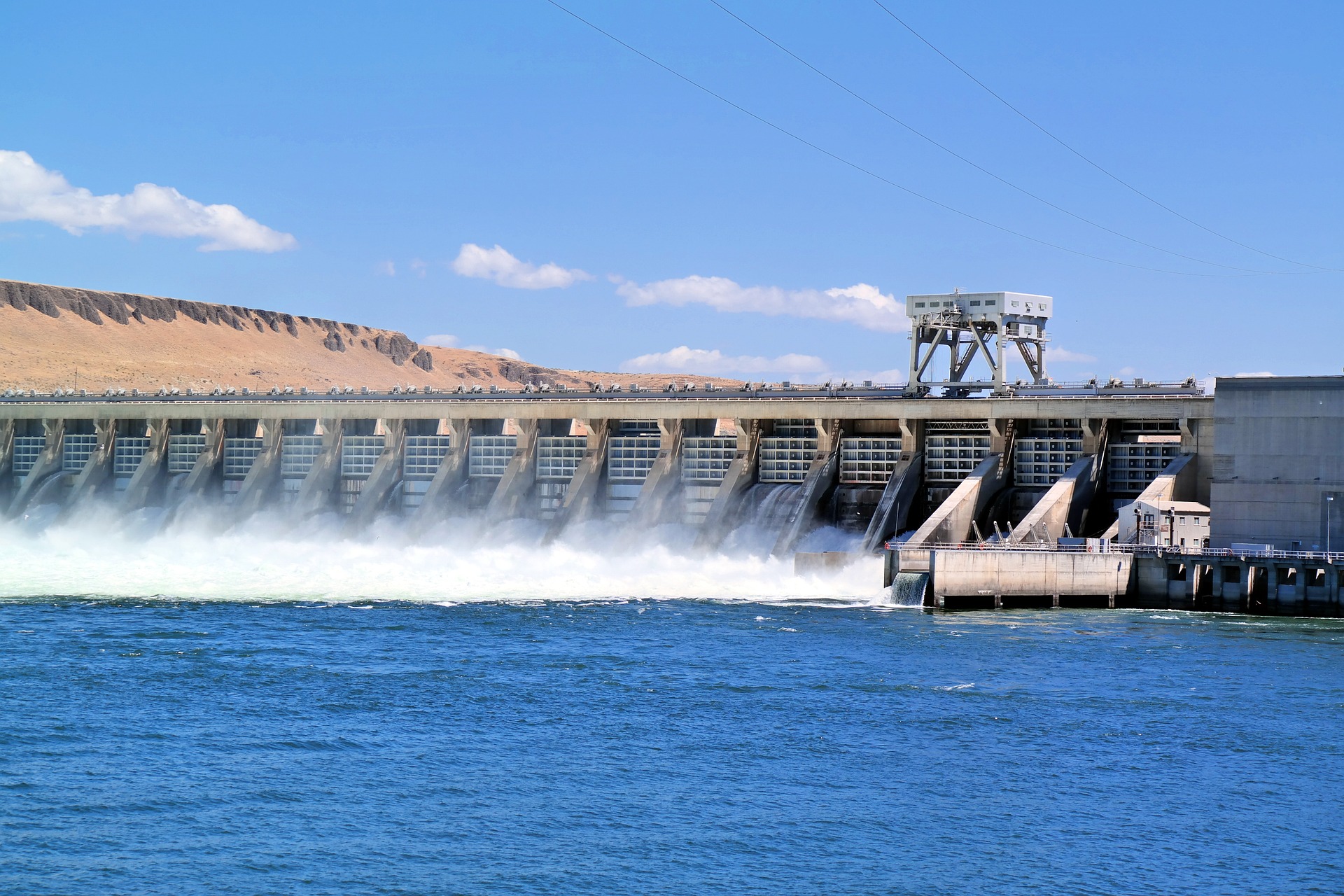
Dams, monumental feats of engineering, have long been integral to human civilization, offering a myriad of advantages that extend far beyond their primary function of water storage. These colossal structures serve as multifaceted tools, providing solutions to various societal needs ranging from water supply to renewable energy generation and environmental conservation. In this discourse, we delve into the manifold advantages of dams, highlighting their pivotal role in shaping modern societies and fostering sustainable development.
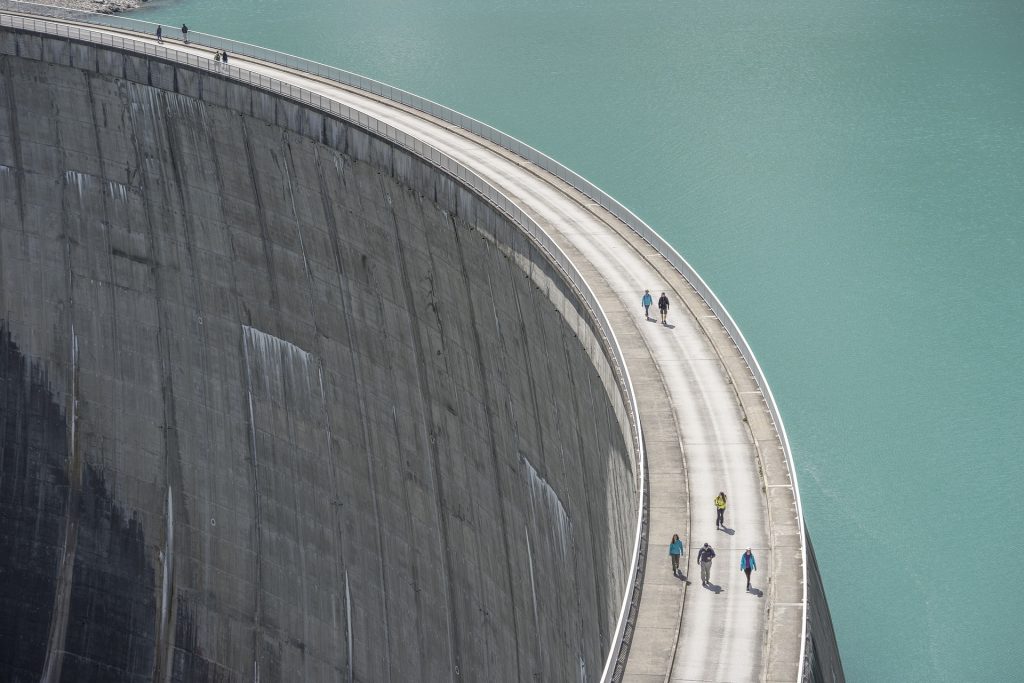
Water Supply and Irrigation:
One of the primary advantages of dams lies in their ability to regulate water resources, ensuring a consistent and reliable supply for various purposes. Dams serve as reservoirs, storing excess water during periods of abundance and releasing it during times of scarcity. This controlled release enables communities to meet their water demands for domestic, industrial, and agricultural use, thereby mitigating the impact of droughts and water shortages. Furthermore, dams facilitate irrigation systems, allowing for cultivating arable land in regions with limited rainfall. Through the construction of irrigation canals and channels, agricultural productivity is enhanced by dams, fostering food security and economic prosperity.
Hydropower Generation:
Perhaps the most renowned advantage of dams is their role in hydropower generation, a clean and renewable source of energy. By harnessing the kinetic energy of flowing water, dams drive turbines to produce electricity, supplying power to millions of households and industries worldwide. Hydropower is characterized by its reliability and flexibility, providing a stable energy supply that can be readily adjusted to meet fluctuating demand. Additionally, hydropower reservoirs serve as peaking plants, capable of rapidly ramping up electricity production during peak consumption periods, thus ensuring grid stability and resilience.
Flood Control and Disaster Mitigation:
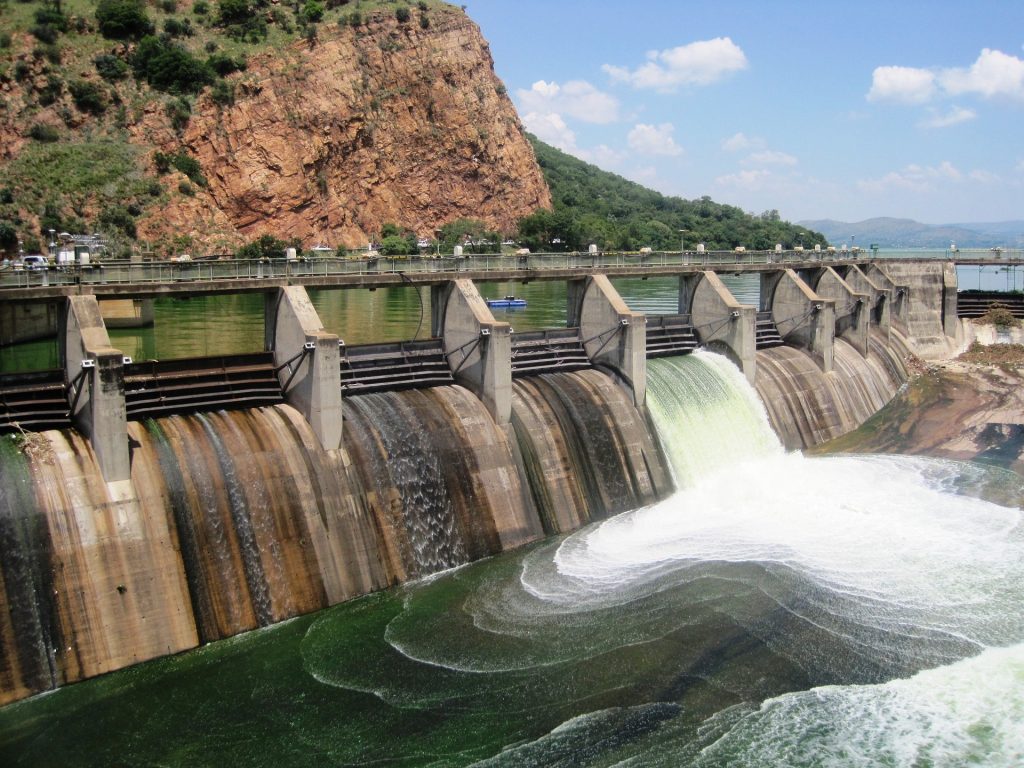
A pivotal role is played by dams in mitigating the destructive impact of floods and safeguarding lives and property against natural disasters. By impounding excess water upstream, dams regulate river flow, attenuating flood peaks and reducing downstream inundation. This flood control mechanism not only protects urban areas and agricultural lands from inundation but also mitigates the risk of erosion and sedimentation, preserving the integrity of river ecosystems. Furthermore, some dams are equipped with spillways and floodgates, allowing for controlled releases to manage downstream water levels during heavy rainfall events, thereby minimizing flood-related damages and casualties.
Navigation and Transportation:
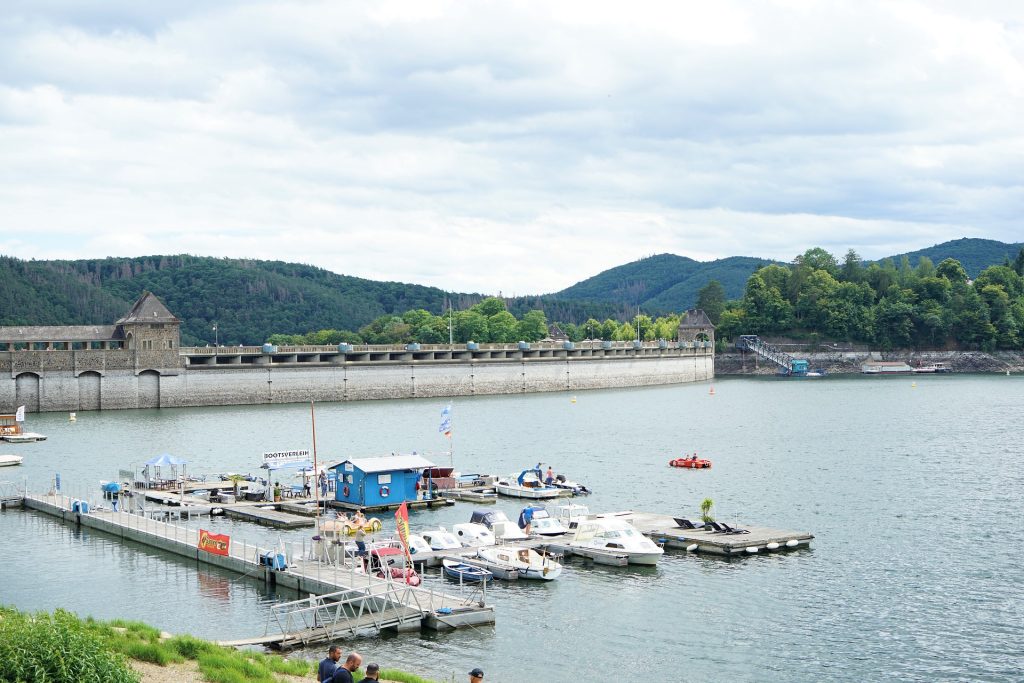
In addition to their water management functions, inland navigation and transportation are facilitated by dams, unlocking economic opportunities and fostering regional development. By creating reservoirs and regulating river flow, navigable water levels are maintained by dams, enabling the passage of cargo vessels and recreational boats along riverine routes. Inland waterways serviced by dams serve as cost-effective transportation corridors, reducing reliance on congested roadways and rail networks. Moreover, the construction of dams often entails the development of associated infrastructure such as locks and canals, further enhancing the efficiency and accessibility of inland navigation systems.

Recreation and Tourism:
Vast recreational opportunities are provided by dams and their reservoirs, attracting tourists and outdoor enthusiasts to explore their scenic landscapes and engage in various leisure activities. From boating and fishing to hiking and wildlife watching, a diverse array of recreational pursuits for visitors of all ages are offered by dam reservoirs. Additionally, many dams feature amenities such as picnic areas, campgrounds, and visitor centers, providing educational resources and interpretation about the local ecosystem and the dam’s construction history. The recreational value of dams contributes significantly to the tourism industry, stimulating economic growth and supporting local communities dependent on visitor spending.
Environmental Benefits and Ecosystem Services:
Contrary to popular belief, dams can confer environmental benefits and ecosystem services when managed sustainably and equipped with appropriate mitigation measures. Reservoirs created by dams often serve as vital habitats for aquatic and terrestrial species, fostering biodiversity and ecological resilience. Moreover, controlled releases from dams can simulate natural flow regimes, replenishing downstream ecosystems and maintaining the ecological integrity of riverine habitats. Additionally, hydropower generated by dams displaces carbon-intensive fossil fuels, mitigating greenhouse gas emissions and combating climate change. Furthermore, dams facilitate the implementation of watershed management strategies, promoting soil conservation, water quality improvement, and habitat restoration initiatives.
Conclusion:
In conclusion, dams represent a cornerstone of modern engineering and resource management, offering a myriad of advantages that extend beyond their conventional functions. From water supply and irrigation to hydropower generation and flood control, dams play a pivotal role in meeting diverse societal needs and fostering sustainable development. Moreover, dams provide recreational opportunities, support inland navigation, and confer environmental benefits when managed judiciously. As we confront the challenges of population growth, urbanization, and climate change, the multifaceted advantages of dams underscore their continued relevance in shaping resilient and prosperous societies.