




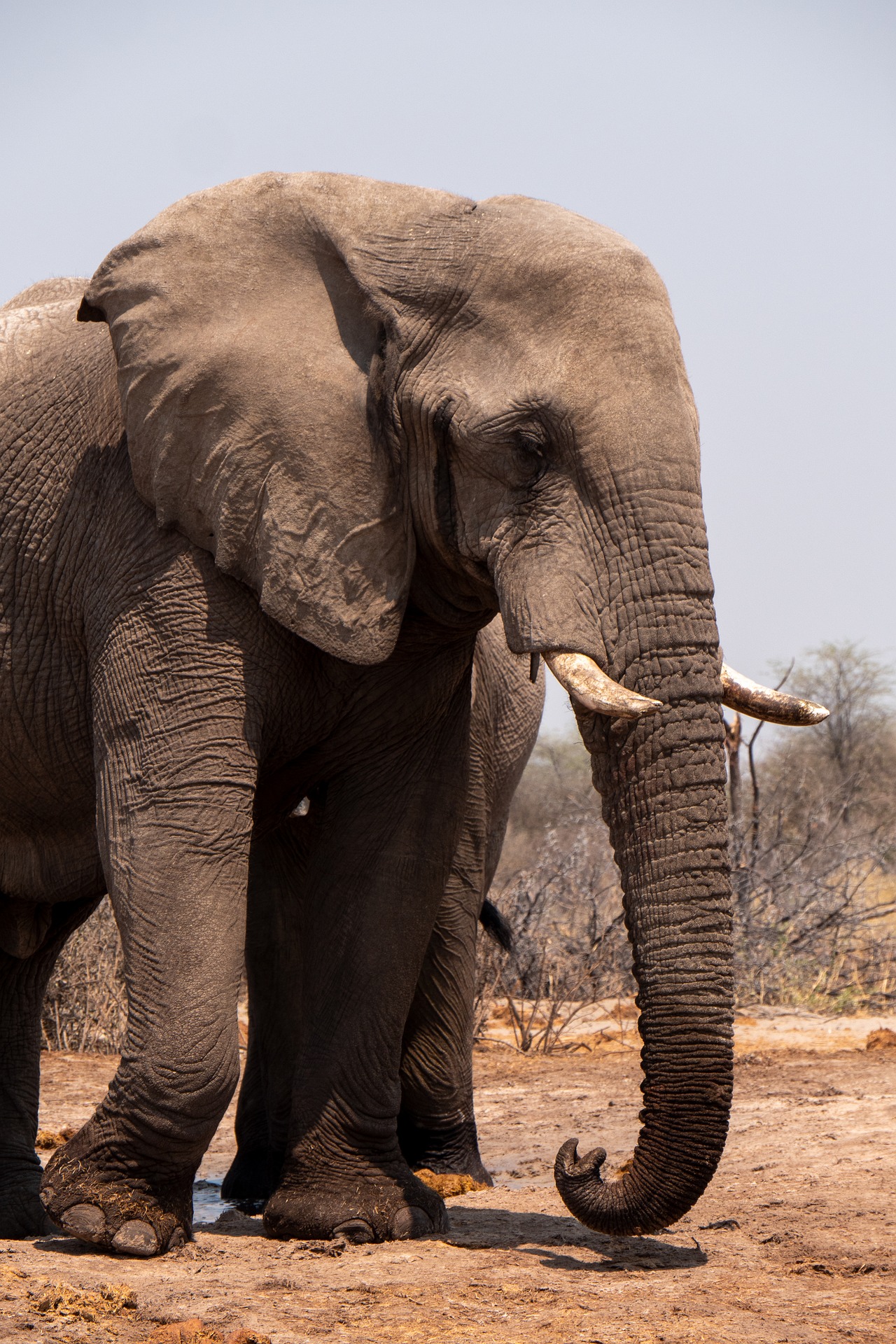
Elephants, with their colossal size and gentle demeanor, have captivated the human imagination for centuries. These majestic creatures possess a myriad of fascinating characteristics that make them truly remarkable. From their complex social structures to their incredible intelligence and emotional depth, elephants stand as one of the most awe-inspiring animals on the planet. In this exploration, we delve into the rich tapestry of traits that define these magnificent creatures.
- Physical Attributes:
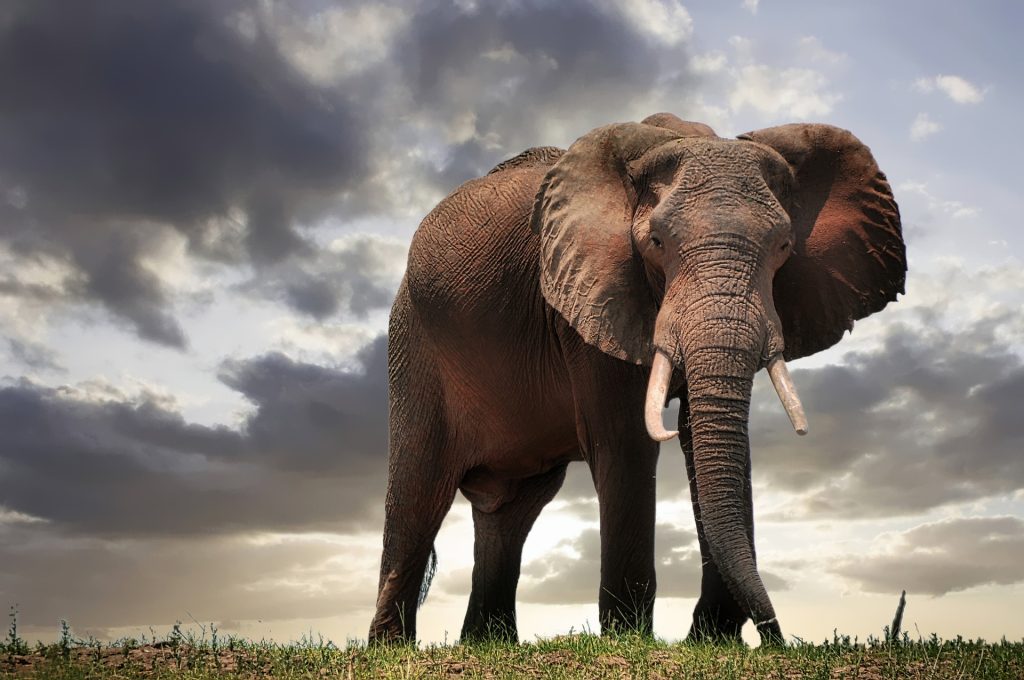
At the heart of the elephant’s allure lies its sheer physical presence. Standing as the largest land mammals on Earth, African elephants can reach heights of up to 13 feet and weigh as much as 14,000 pounds, while their Asian counterparts are slightly smaller but still impressively massive. Their distinctive elongated trunk, a fusion of the nose and upper lip, serves as a versatile appendage, adept at grasping objects, drawing water, and even communicating with other elephants through subtle vibrations and gestures.
The elephant’s tusks, elongated incisor teeth, are another iconic feature, prized for their ivory and sadly making them targets for poaching. Vital roles are played by these tusks in tasks such as digging for water, stripping bark from trees, and defending against predators, underscoring their importance in the elephant’s daily life.
- Social Structure and Behavior:
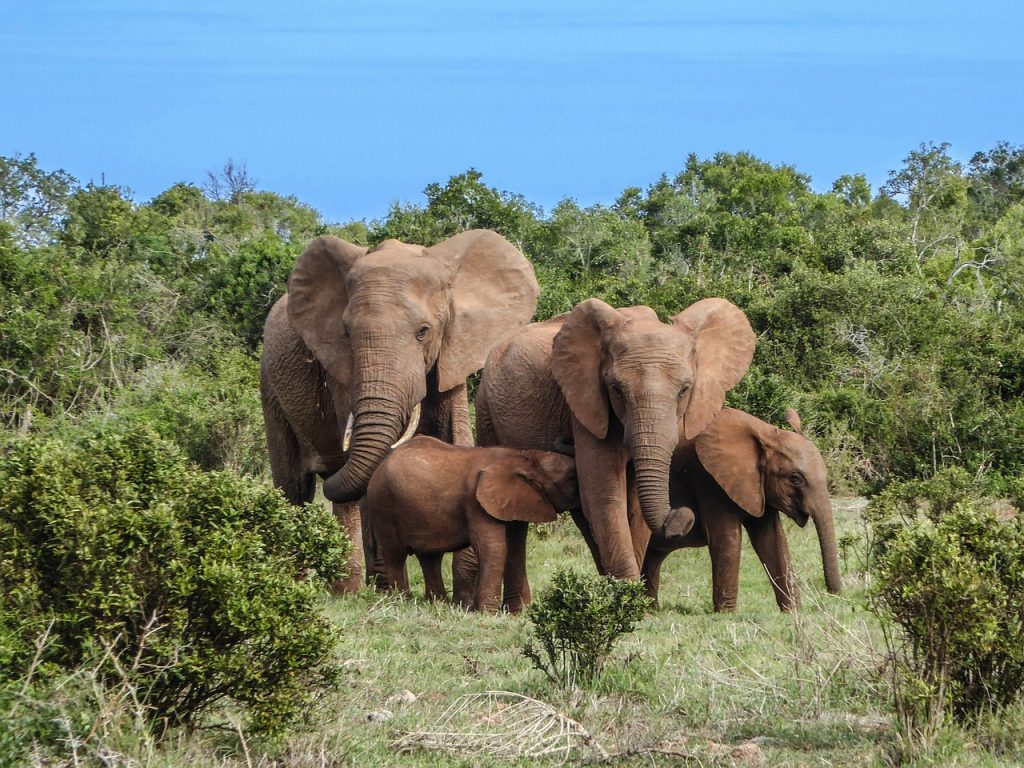
Central to the elephant’s way of life is its intricate social structure, characterized by strong familial bonds and complex hierarchies. Led by a matriarch, typically the oldest and most experienced female, elephant herds consist of related females and their offspring, forming tight-knit communities that provide protection, support, and guidance.
Within these herds, communication is key, with elephants employing a diverse array of vocalizations, body language, and tactile cues to convey emotions, intentions, and warnings. From joyful trumpets to low-frequency rumbles that can travel for miles, their vocal repertoire is as nuanced as it is expressive, facilitating cohesion within the group and fostering cooperation during migration, foraging, and other collective endeavors.
- Intelligence and Emotional Depth:
Beneath their massive frames lies a keen intellect that rivals that of many other animals. Remarkably large and complex brains are possessed by elephants, equipped with advanced cognitive abilities that enable problem-solving, tool usage, and even self-awareness. Studies have shown that traits such as empathy, compassion, and grief are exhibited by elephants, mourning the loss of loved ones and demonstrating solidarity with injured or distressed individuals.
Their prodigious memory is legendary, allowing them to recall intricate details of their surroundings, navigate vast landscapes, and recognize familiar faces even after years of separation. This cognitive prowess, coupled with their deep emotional bonds, underscores the depth of their inner lives and challenges traditional notions of animal consciousness and sentience.
- Environmental Impact:
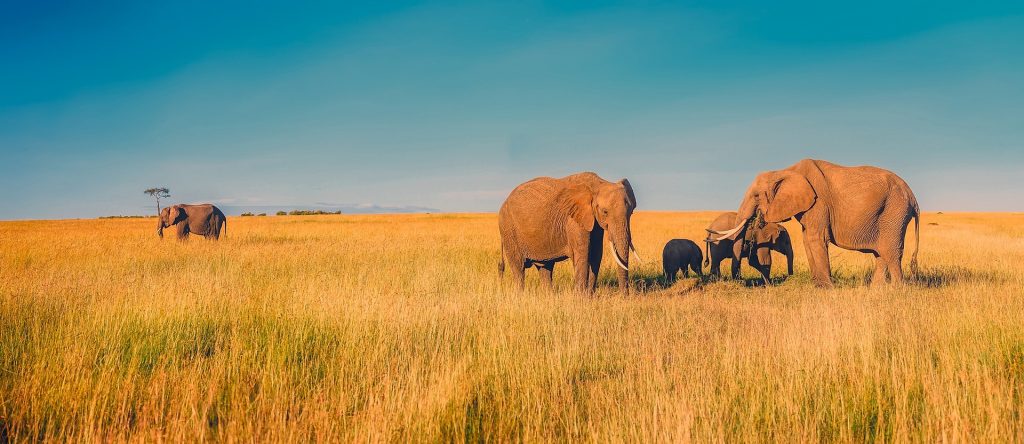
As keystone species, elephants play a pivotal role in shaping their ecosystems, exerting profound influence on vegetation, soil composition, and biodiversity. Through their browsing and grazing habits, they help maintain ecological balance, preventing the encroachment of shrubs and trees into grasslands and creating habitats for a myriad of plant and animal species.
Furthermore, their penchant for digging waterholes and excavating mineral-rich salt licks enhances access to vital resources for themselves and other wildlife, fostering a dynamic landscape of interconnected habitats. However, their impact is not without challenges, as human activities such as habitat destruction, poaching, and human-elephant conflicts threaten their survival and disrupt the delicate equilibrium of their environments.
Conclusion:
In conclusion, a vast array of physical, social, cognitive, and emotional traits that underscore their profound significance in the natural world is encompassed by the characteristics of elephants. From their imposing stature and intricate social dynamics to their remarkable intelligence and environmental impact, elephants stand as icons of resilience, adaptability, and grace. As stewards of our planet, we must cherish and protect these magnificent creatures, ensuring that future generations can continue to marvel at their splendor for years to come.