



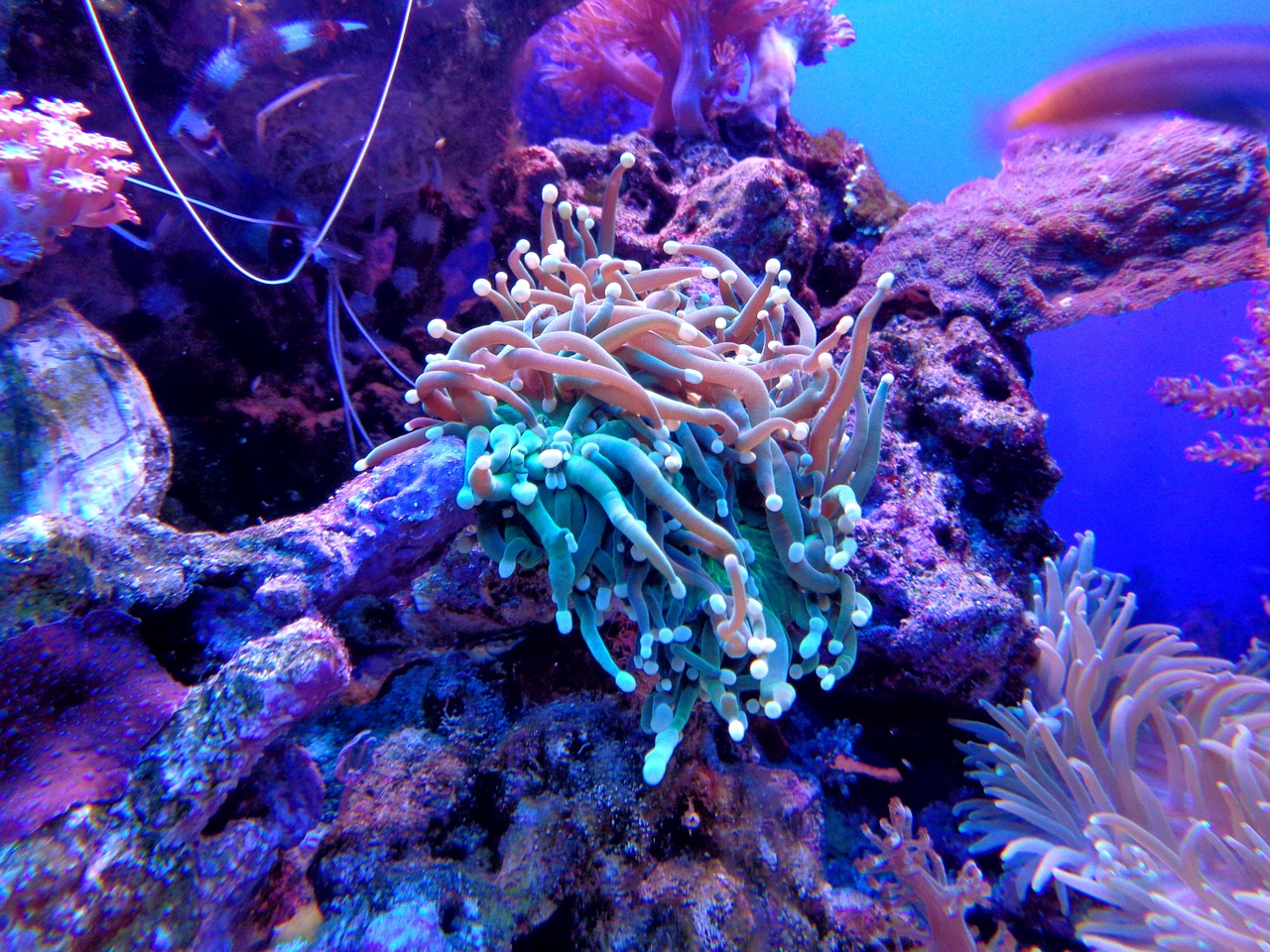
Coral reefs, often referred to as the rainforests of the ocean, are diverse and complex ecosystems that play a crucial role in supporting marine life. These vibrant underwater landscapes are teeming with an array of marine species, making them one of the most biodiverse environments on Earth. Coral reefs can be classified into different types based on their structure, location, and the predominant coral species that build them. This article delves into the fascinating world of coral reefs, shedding light on the various types that contribute to the health and vitality of our oceans.
- Fringing Reefs:
Fringing reefs are the most common type of coral reef and are typically found close to the shorelines of continents and islands. These reefs form directly along the coastline, creating a shallow platform where corals thrive. The structure of fringing reefs is characterized by a gradual slope that extends from the shoreline to the outer reef edge. The coral colonies on fringing reefs are often exposed to the open ocean, making them vulnerable to natural and human-induced stressors.
- Barrier Reefs:
Barrier reefs are similar to fringing reefs in terms of their structure, but they are located farther from the shore, separated by a deeper lagoon. The Great Barrier Reef, the world’s largest coral reef system, is a prime example of a barrier reef. These reefs act as natural barriers, protecting coastlines from the destructive force of waves and storms. The lagoon between the reef and the shore serves as a habitat for various marine species, contributing to the overall biodiversity of the ecosystem.
- Atolls:
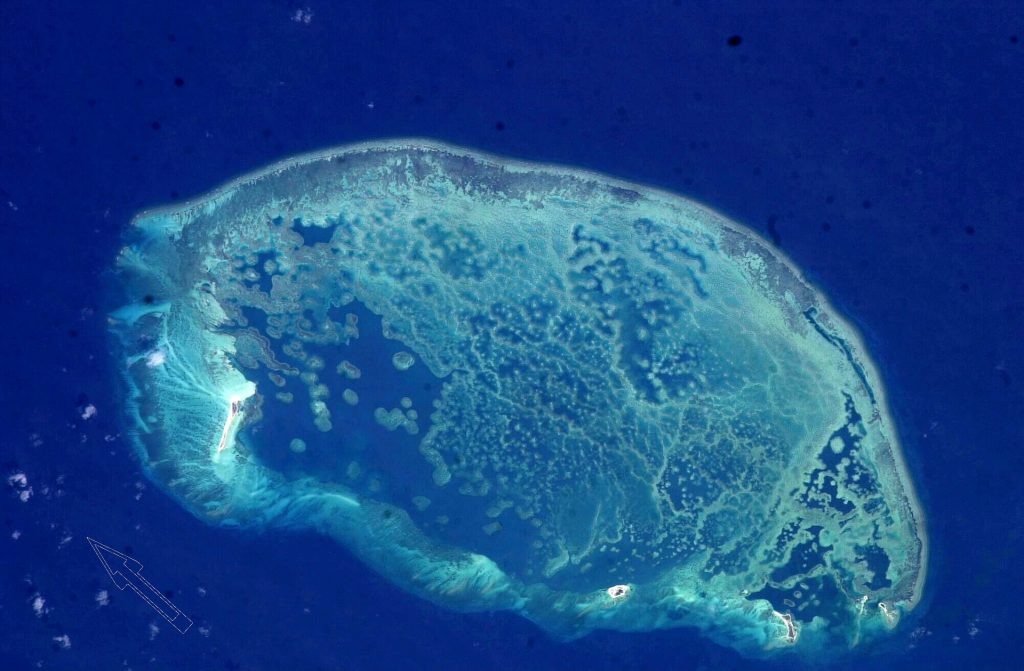
Atolls are unique and intriguing coral formations that take the shape of a ring or a horseshoe. Unlike fringing and barrier reefs, atolls do not surround a landmass; instead, they encircle a central lagoon. Atolls often form when a volcanic island subsides or erodes over time, leaving behind a circular coral reef structure. The Maldives is renowned for its picturesque atolls, where the vibrant coral formations contrast beautifully with the azure waters of the Indian Ocean.
- Patch Reefs:
Patch reefs are smaller, isolated coral formations that are scattered across sandy ocean floors. These reefs are often found in deeper waters compared to fringing and barrier reefs. Microhabitats are created by patch reefs that support a diverse range of marine life, including various species of corals, fish, and invertebrates. Their relatively isolated nature makes them susceptible to environmental changes, emphasizing the importance of preserving the delicate balance within these ecosystems.
- Platform Reefs:
Platform reefs, also known as table reefs, are characterized by a flat, tabletop-like structure that extends horizontally along the ocean floor. These reefs are often found in regions with strong wave action and currents. An ideal substrate for coral colonies is provided by the flat surface area to flourish. Platform reefs are critical in enhancing the overall structural complexity of coral reef ecosystems, providing habitats for numerous marine organisms.
- Coral Gardens:
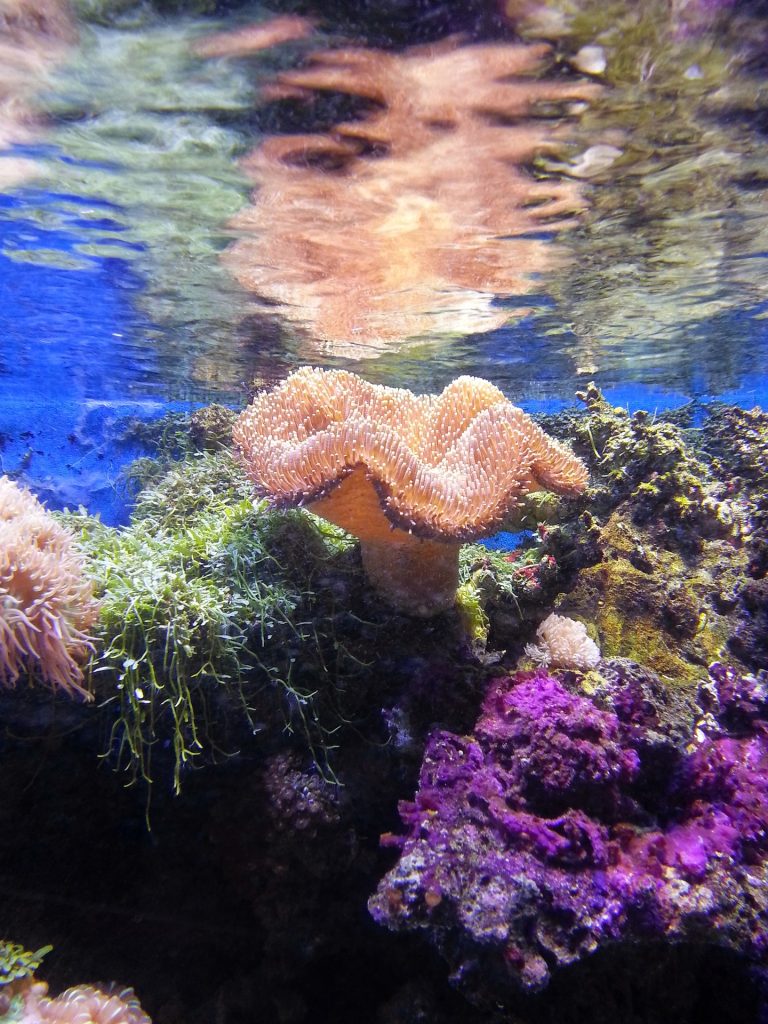
Coral gardens are areas within coral reefs that showcase an expanse of diverse coral species, creating a visually stunning and ecologically rich environment. These gardens can be found within different types of coral reefs and are characterized by a mix of hard and soft corals. Coral gardens serve as important breeding grounds for fish and other marine species, contributing to the overall resilience and sustainability of coral reef ecosystems.
Conclusion:
Coral reefs, with their breathtaking beauty and ecological significance, are invaluable assets that demand our attention and conservation efforts. Understanding the various types of coral reefs allows us to appreciate the complexity and diversity of these underwater ecosystems. As we navigate the challenges of climate change, overfishing, and pollution, it becomes increasingly important to recognize the role each type of coral reef plays in sustaining marine life and maintaining the delicate balance of our oceans. By fostering a deeper understanding of coral reefs, we can work towards preserving these remarkable ecosystems for future generations.