



Flooding is a natural disaster that has plagued communities around the world for centuries. The relentless force of water, whether from heavy rainfall, storm surges, or overflowing rivers, can have devastating consequences on both human settlements and the environment. As climate change intensifies, the frequency and severity of flooding events are on the rise, making it crucial to understand the causes, consequences, and effective mitigation strategies to safeguard vulnerable communities.

Causes of Flooding:
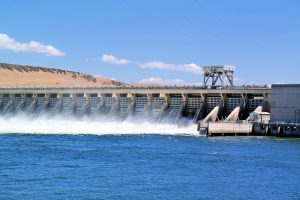
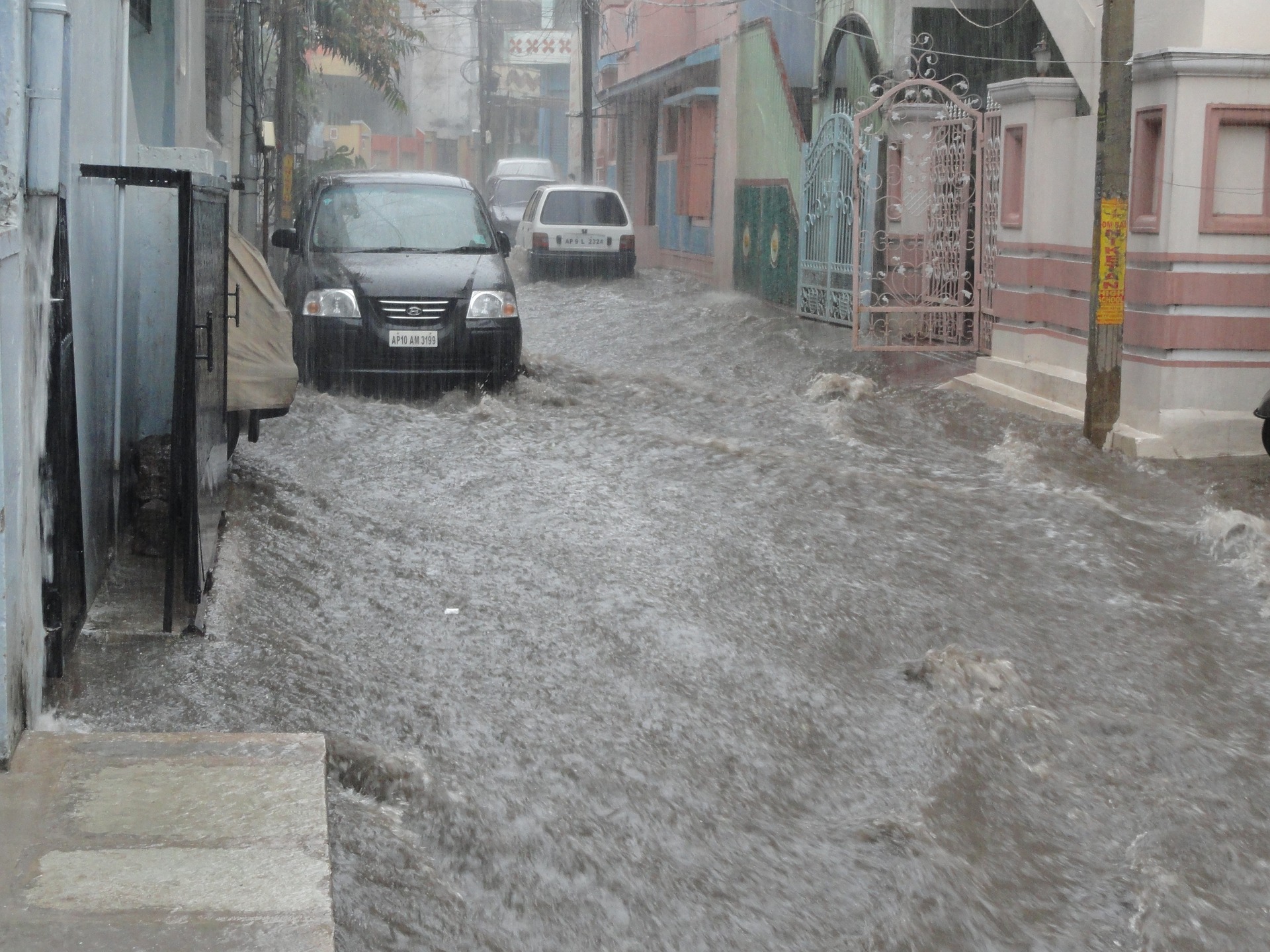
One of the primary contributors to flooding is intense rainfall, which can overwhelm drainage systems and lead to surface runoff. This issue is exacerbated by urbanization by replacing natural permeable surfaces with impermeable ones, such as concrete and asphalt, preventing water from being absorbed into the ground. Additionally, deforestation disrupts the natural balance, reducing the capacity of ecosystems to absorb and regulate water flow. Riverine flooding occurs when rivers overflow their banks, often triggered by a combination of heavy rainfall, melting snow, or a sudden release of water from upstream reservoirs. The threat of storm surges are faced by coastal areas, where strong winds and low atmospheric pressure cause seawater to rise and inundate coastal regions.
Consequences of Flooding:
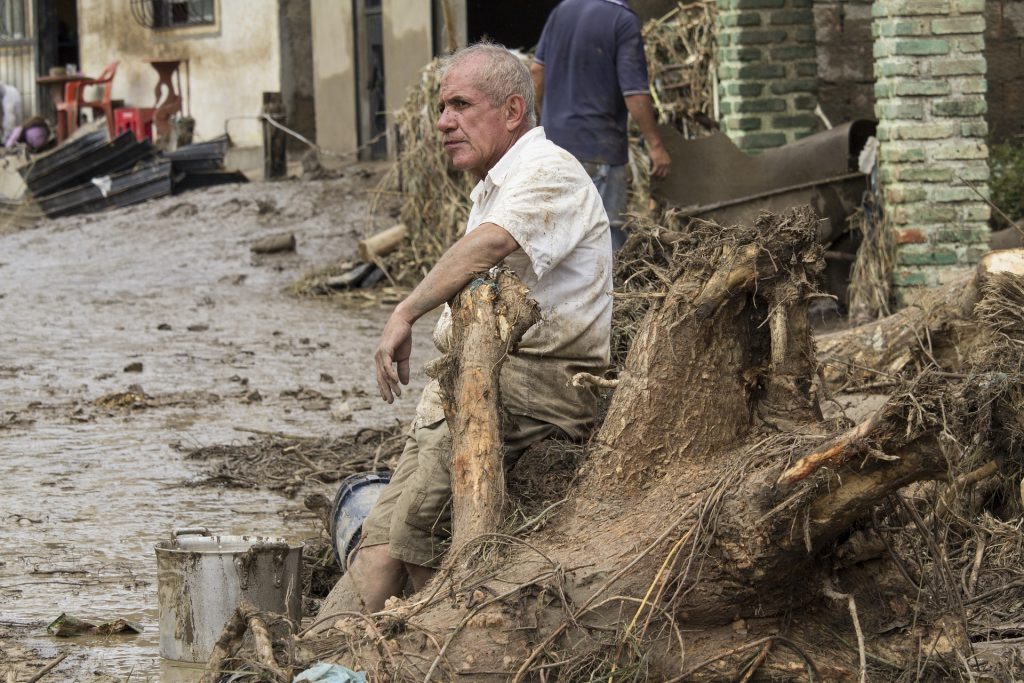
The consequences of flooding are far-reaching and can have profound impacts on communities, economies, and ecosystems. Loss of life is a tragic outcome, as people may be caught unaware or unable to evacuate in time. The destruction of homes and infrastructure leads to the displacement of communities and strains local economies. Drinking water sources can also be contaminated by floodwaters, increasing the risk of waterborne diseases. Agricultural land is often rendered infertile due to sedimentation and the deposition of pollutants carried by floodwaters. Furthermore, the long-term ecological effects include habitat destruction and alterations to natural ecosystems, disrupting the delicate balance of flora and fauna.
Impact on Communities:
Numerous challenges are faced by communities affected by flooding in the aftermath of such events. Displaced populations must contend with the loss of homes, possessions, and sometimes, loved ones. The strain on emergency services is immense, as they work to rescue stranded individuals, provide shelter, and distribute aid. Economically, businesses may be forced to close temporarily or permanently, leading to job losses and a decline in local economic activity. The mental health of affected individuals can also be severely impacted, with post-traumatic stress and anxiety disorders becoming prevalent in the wake of flooding events.
Mitigation Strategies:
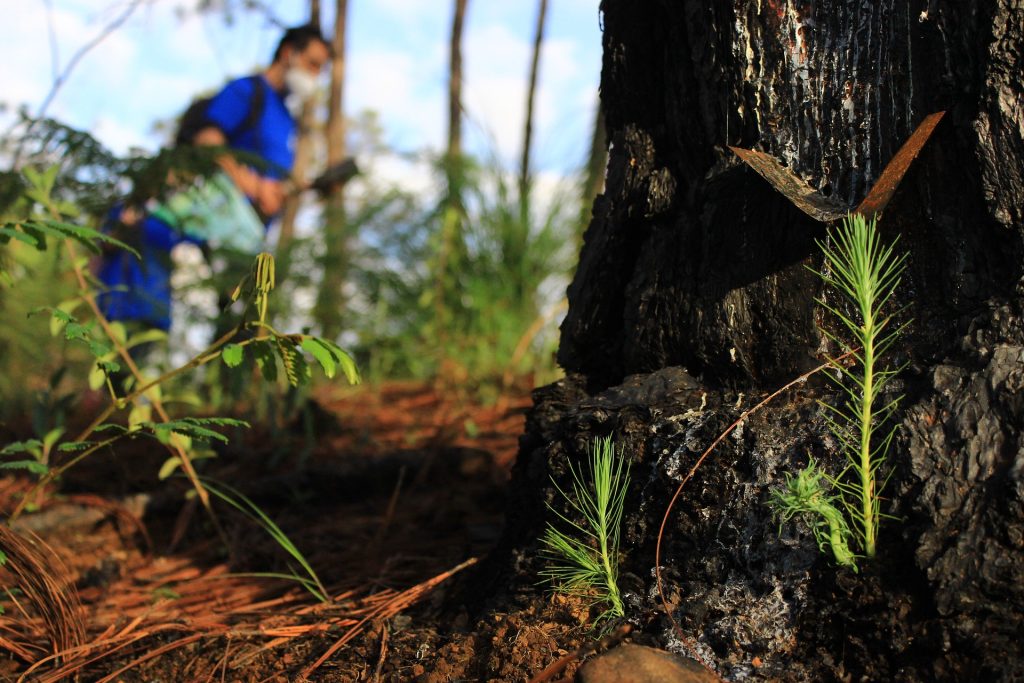
Effective mitigation strategies are essential to minimize the impact of flooding and build resilience in vulnerable communities. Sustainable urban planning, incorporating green spaces and permeable surfaces, helps reduce surface runoff and enhances the capacity of cities to absorb excess water. Improved early warning systems enable communities to evacuate in a timely manner, saving lives and minimizing damage. Investing in resilient infrastructure, such as flood barriers, levees, and stormwater management systems, can protect against the destructive force of floodwaters. The environment’s ability to absorb and regulate water flow can be enhanced by natural solutions, such as reforestation and the restoration of wetlands.
International Collaboration and Climate Action:
Given the global nature of climate change, international collaboration is crucial to address the root causes of flooding. Countries must work together to reduce greenhouse gas emissions, which contribute to the warming of the planet and the intensification of extreme weather events. Additionally, financial and technological assistance can be provided by developed nations to vulnerable regions, helping them adapt to the impacts of climate change and implement effective mitigation measures.
Conclusion:
Flooding remains a formidable challenge that requires a comprehensive and collaborative approach to mitigate its devastating effects. Understanding the causes, consequences, and effective strategies for flood prevention and management is essential in building resilient communities. As the world grapples with the increasing frequency of extreme weather events, it is imperative that individuals, communities, and nations unite in their efforts to adapt to a changing climate and protect the most vulnerable among us from the destructive force of floodwaters.