



In the realm of nutrition, protein stands as a cornerstone, playing a vital role in the proper functioning of the human body. From muscle development to immune system support, proteins are indispensable. This article delves into the diverse world of protein-containing foods, exploring their significance, sources, and the impact of protein-rich diets on overall health.
Understanding Proteins:
Proteins, composed of amino acids, are the building blocks of life. They serve as the primary structural and functional components in cells, tissues, and organs. Amino acids are categorized as essential and non-essential, with the former needing to be obtained through diet. The amino acid composition will determine the quality of proteins, with complete proteins containing all essential amino acids and incomplete proteins lacking one or more.

Animal-Based Protein Sources:
Animal-based protein sources are often considered complete proteins, providing all essential amino acids in sufficient amounts. Meat, poultry, fish, eggs, and dairy products are excellent examples. A high protein content with lower fat levels is offered by lean meats such as chicken and turkey. Fish, rich in omega-3 fatty acids, not only contributes to protein intake but also promotes heart health.
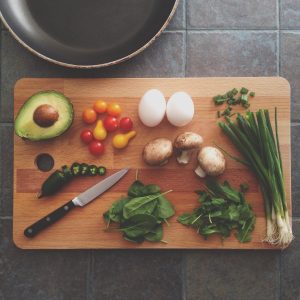
Eggs, hailed as a nutritional powerhouse, contain all essential amino acids, making them a complete protein source. Dairy products like yogurt, milk, and cheese are rich in protein and also provide essential nutrients such as calcium and vitamin D. Integrating these animal-based proteins into one’s diet can contribute to optimal protein intake.
Plant-Based Protein Sources:
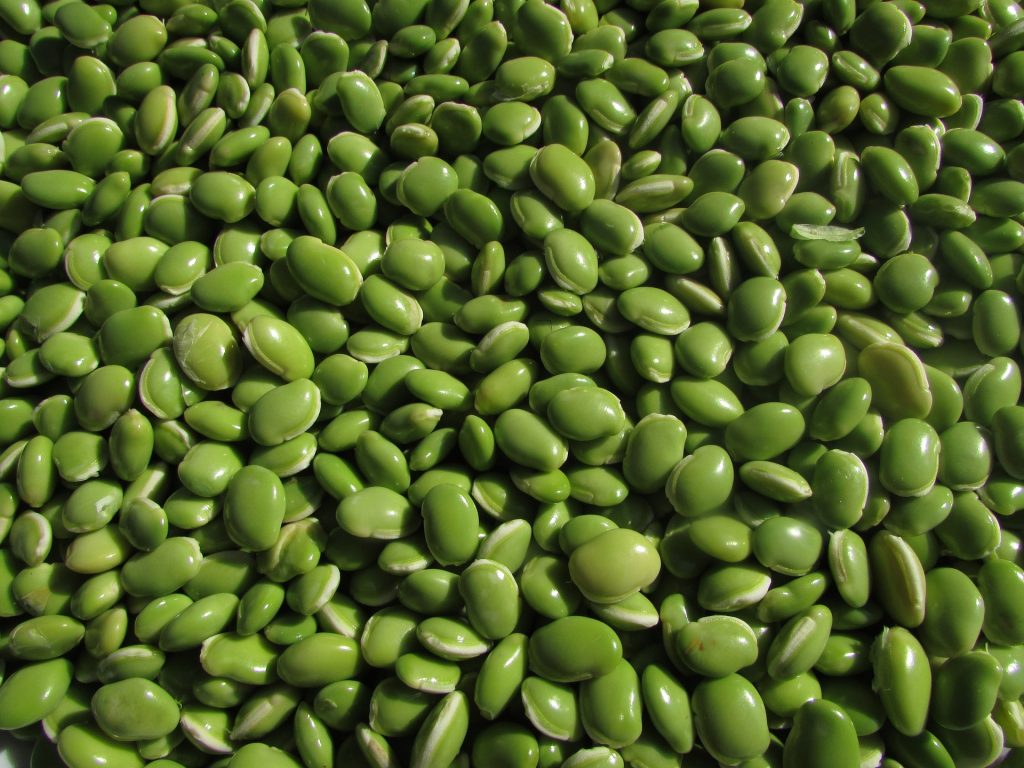
For those following vegetarian or vegan lifestyles, plant-based protein sources offer a wealth of options. A significant protein punch is provided by legumes, beans, lentils, and chickpeas those are excellent choices. These plant-based proteins are often incomplete, but combining different sources, such as beans and rice, can create a complementary amino acid profile.
Quinoa, a versatile grain, is a rare plant-based complete protein, making it an essential addition to vegetarian diets. Proteins along with healthy fats and other nutrients are offered by nuts and seeds, including almonds, chia seeds, and pumpkin seeds. Tofu and tempeh, derived from soybeans, are popular plant-based protein sources that can be incorporated into various dishes.

Protein and Weight Management:
Protein plays a crucial role in weight management, as it contributes to satiety and helps regulate appetite. Including protein-rich foods in meals and snacks can curb cravings and promote a feeling of fullness, potentially reducing overall calorie intake. Moreover, the thermic effect of food (TEF), the energy expended during digestion, is higher for protein compared to fats and carbohydrates, contributing to calorie expenditure.

Athletic Performance and Protein:
For individuals engaged in regular physical activity or sports, protein is essential for muscle repair, growth, and recovery. Athletes often have increased protein requirements to support their training regimen. While protein needs can vary based on factors such as type of activity, intensity, and duration, ensuring an adequate protein intake is crucial for optimizing performance and minimizing the risk of injuries.
Protein and Health:
Beyond its role in muscle development, a pivotal role is played by protein in maintaining overall health. Enzymes, hormones, and antibodies, which are essential for various physiological processes, are composed of proteins. Adequate protein intake is crucial for immune function, ensuring the body can defend itself against infections and illnesses.
Conclusion:
Protein-containing foods are a cornerstone of a balanced and healthy diet, playing a vital role in various bodily functions. Whether sourced from animal or plant origins, incorporating a variety of protein-rich foods into one’s diet ensures a diverse amino acid profile. Understanding the importance of protein in weight management, athletic performance, and overall health empowers individuals to make informed dietary choices that contribute to their well-being. As we unlock the power of protein, we pave the way for a healthier and more nourished future.