




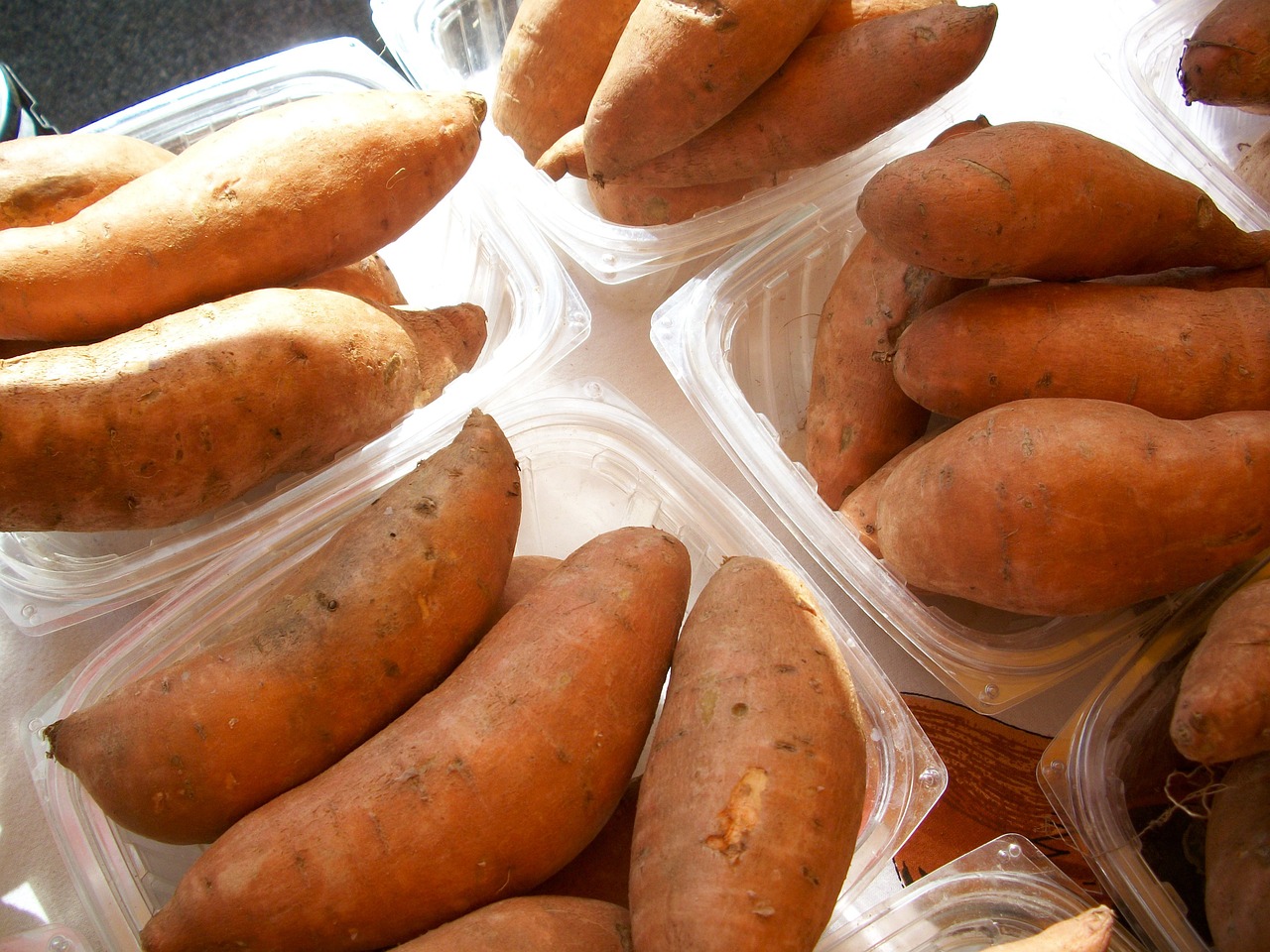
Yams and sweet potatoes are often used interchangeably, creating confusion in the minds of many consumers. Despite their similar appearance and taste, yams and sweet potatoes belong to different botanical families and offer distinct nutritional profiles. In this exploration, we delve into the world of yams and sweet potatoes, unraveling the differences between these tuberous delights and shedding light on the culinary and nutritional aspects that make them unique.
Botanical Distinctions:
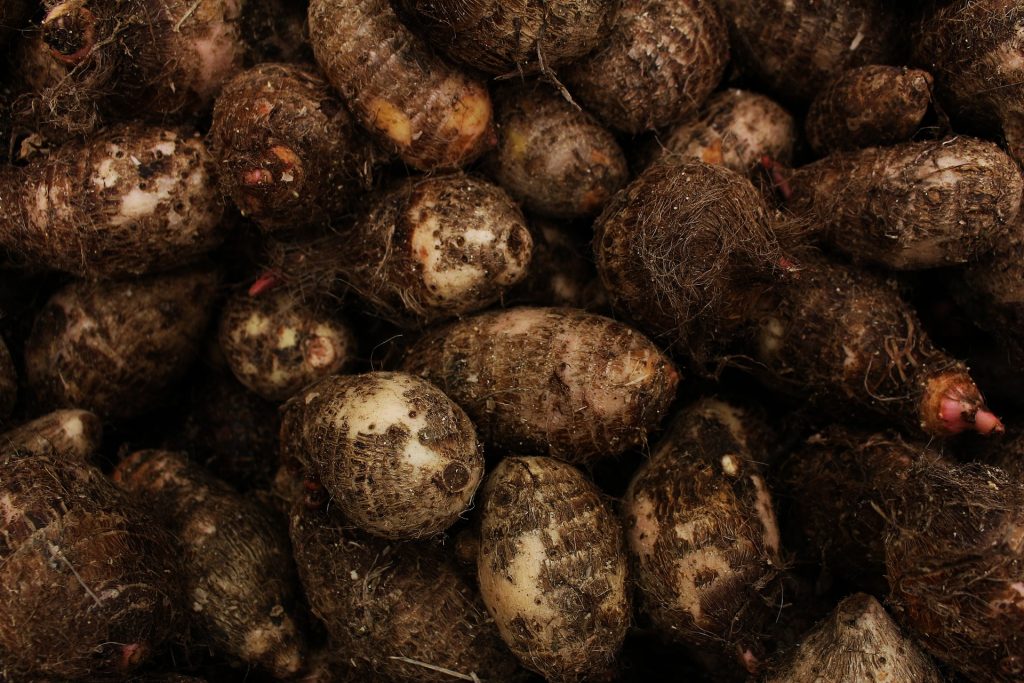
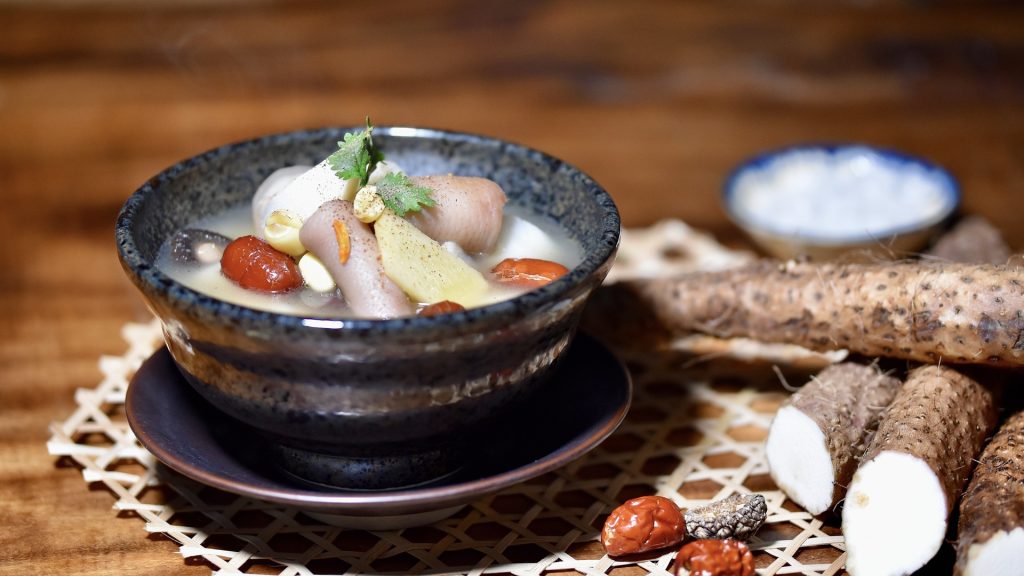
One of the primary sources of confusion arises from the mislabeling of sweet potatoes as yams. In reality, yams and sweet potatoes come from entirely different plant families. Yams belong to the Dioscoreaceae family, characterized by their rough, scaly exteriors and starchy, less sweet flesh. Sweet potatoes, on the other hand, are part of the Convolvulaceae family and have smoother skin with a sweet and moist interior.
Appearance and Taste:
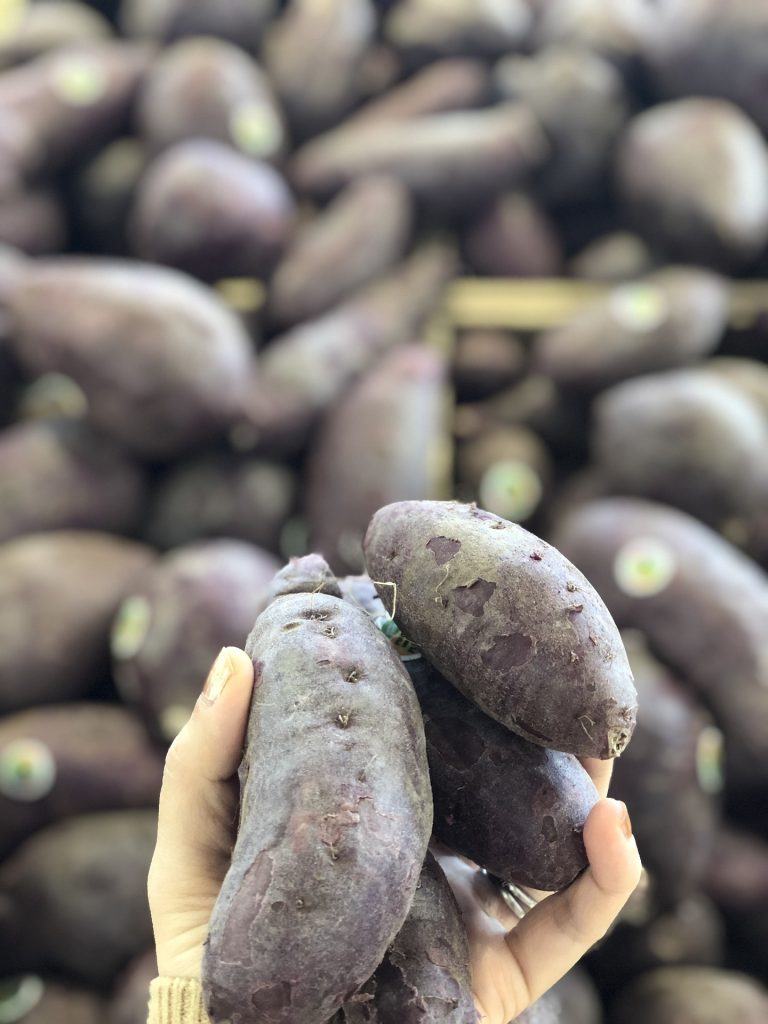
While yams and sweet potatoes may share a similar orange hue, their appearances and tastes vary significantly. Yams, which can range from white and pink to purple and brown, are typically larger and have rough, bark-like skin. A less sweet taste is provided by yam when compared to sweet potatoes as their flesh is starchy and dry. In contrast, sweet potatoes have smoother skin, with flesh that can be white, orange, or purple. Depending on the type, the sweetness of sweet potatoes varies with some having a sugary flavor, while others offer a milder taste.
Culinary Uses:
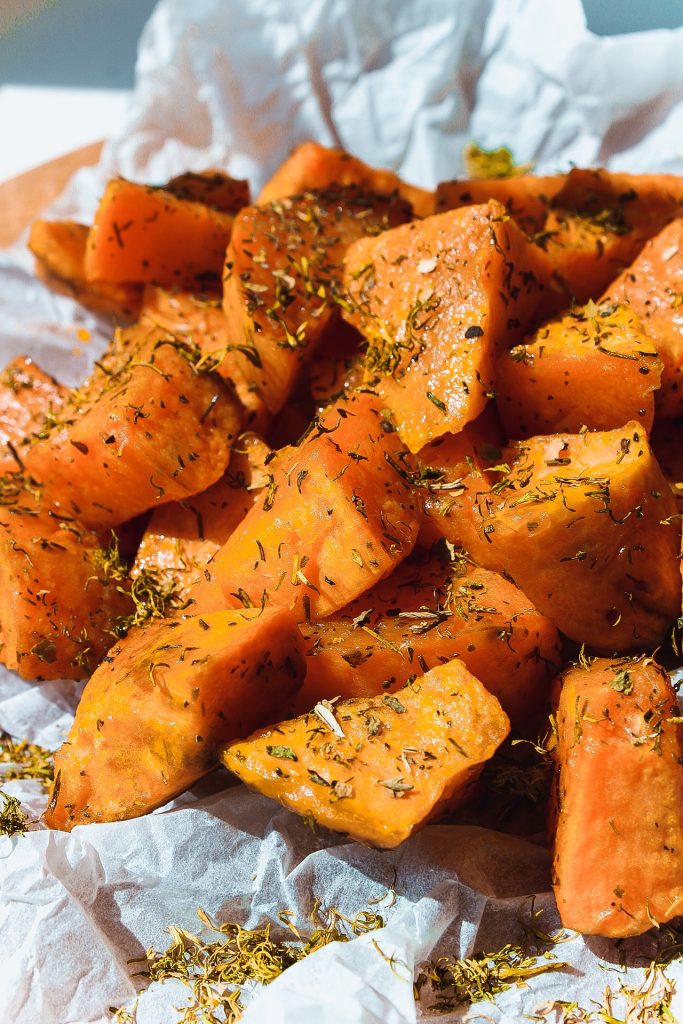
Despite their botanical and taste differences, yams and sweet potatoes can often be used interchangeably in cooking. However, the outcome of certain dishes might affected by their distinct textures and flavors. Yams’ starchy and dry nature makes them suitable for roasting, frying, or boiling, while sweet potatoes excel in mashed or baked preparations, thanks to their sweeter and moister flesh. Understanding these culinary nuances allows chefs and home cooks to make informed choices when selecting tubers for their recipes.
Nutritional Profiles:
The nutritional disparities between yams and sweet potatoes further contribute to their individuality. Yams are a good source of complex carbohydrates, providing a sustained release of energy. Moderate amounts of fiber, potassium, and certain vitamins are also contained in them. Sweet potatoes, in addition to being rich in complex carbohydrates and dietary fiber, are notable for their high beta-carotene content – a precursor to vitamin A. The orange-fleshed varieties of sweet potatoes, in particular, contribute significantly to meeting vitamin A requirements.

Health benefits are offered by both yams and sweet potatoes, but their unique nutrient profiles cater to different nutritional needs. Yams’ higher carbohydrate content makes them a suitable energy source, while sweet potatoes, with their beta-carotene content, contribute to eye health and immune system support. Additionally, digestion and gut health promotion is aided by the fiber content in both tubers. Understanding these health benefits empowers individuals to make informed dietary choices based on their specific nutritional requirements.
Cultural Significance:
Yams and sweet potatoes hold cultural significance in various parts of the world. Yams are deeply rooted in African and Caribbean cuisines, playing a crucial role in traditional dishes. Sweet potatoes, on the other hand, have a strong presence in American Thanksgiving celebrations, often appearing in pies and casseroles. Recognizing the cultural importance of these tubers adds depth to our appreciation of diverse culinary traditions and the role these vegetables play in shaping regional cuisines.
Conclusion:
In the yams vs. sweet potatoes debate, it is crucial to recognize the distinctions between these tubers, both in terms of botanical origin and culinary characteristics. While they may share certain similarities, their unique flavors, textures, and nutritional compositions set them apart. Armed with this knowledge, consumers can navigate the produce section with confidence, selecting the tuber that best suits their culinary preferences and nutritional needs. Whether roasted, mashed, or baked, yams and sweet potatoes continue to enrich global cuisines, bringing a variety of flavors and nutritional benefits to tables around the world.