




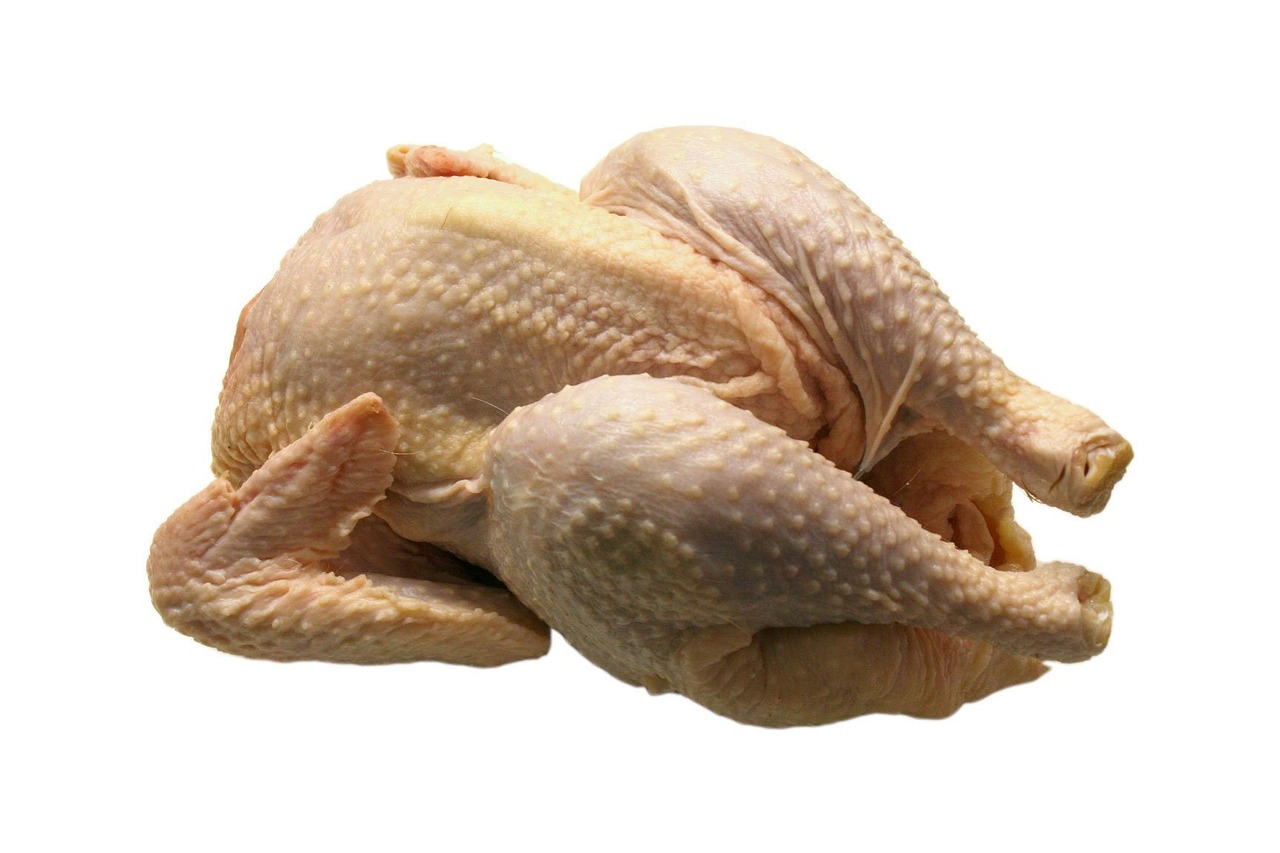
In a world where dietary choices play a pivotal role in shaping our overall health, the consumption of broiled chicken has become a common practice for those seeking a balance between taste and nutrition. Broiling, a cooking method that involves exposing meat to direct heat, is often perceived as a healthier alternative to frying or roasting. However, the impact of broiled chicken on health is a complex subject that requires a closer examination of various factors, including cooking methods, nutritional content, and potential health risks.

Cooking Methods and Nutrient Retention:
Cooking it at high temperatures, typically in an oven or on a grill, with direct exposure to heat is involved in broiling chicken. One of the advantages of broiling is that it allows for a shorter cooking time compared to other methods, helping to retain more nutrients in the chicken. When done correctly, broiling can result in a flavorful and moist chicken while preserving essential vitamins and minerals.
However, it’s crucial to note that the nutritional profile of broiled chicken could be significantly influenced by cooking methods. Overcooking or charring can lead to the formation of harmful compounds, such as heterocyclic amines (HCAs) and polycyclic aromatic hydrocarbons (PAHs). These compounds have been linked to an increased risk of cancer, emphasizing the importance of mindful cooking practices.

Nutritional Content of Broiled Chicken:
Chicken, in general, is a rich source of high-quality protein, essential amino acids, and various vitamins and minerals. Broiled chicken retains much of its protein content, making it an excellent choice for individuals aiming to meet their protein requirements for muscle building, maintenance, and overall bodily functions.
Additionally, chicken is a good source of important nutrients such as vitamin B6, niacin, phosphorus, and selenium. These nutrients play vital roles in supporting energy metabolism, immune function, and bone health. Broiled chicken can be part of a well-balanced diet, contributing to the overall nutritional intake when paired with a variety of vegetables, whole grains, and other nutrient-dense foods.
However, the nutritional content of broiled chicken can vary depending on factors such as the cut of meat, cooking time, and marinades used. Skinless chicken breast, for instance, is lower in saturated fat compared to dark meat with skin. the nutritional profile of broiled chicken can be enhanced by choosing lean cuts and incorporating diverse cooking techniques.

Potential Health Risks:
While broiled chicken offers numerous nutritional benefits, it is essential to consider potential health risks associated with certain cooking practices. As mentioned earlier, the formation of HCAs and PAHs during high-temperature cooking can pose a concern. To minimize the risk, it is advisable to avoid excessive charring, use marinades with antioxidant-rich ingredients, and consider pre-cooking methods like boiling or microwaving before broiling.
Moreover, the consumption of broiled chicken should be part of a broader dietary pattern that prioritizes variety and moderation. Excessive intake of red or processed meats, including broiled chicken, has been associated with an increased risk of chronic diseases, such as cardiovascular disease and certain types of cancer. It is crucial to balance protein sources and incorporate a diverse range of foods to promote optimal health.
Conclusion:
In conclusion, the effects of broiled chicken on health are multifaceted and depend on various factors, including cooking methods, nutritional content, and potential health risks. Broiling can be a convenient and nutritious way to prepare chicken, offering a balance between taste and health benefits. However, potential risks associated with harmful compounds can be minimized by mindful cooking practices, such as avoiding overcooking and considering the use of antioxidant-rich marinades.
Ultimately, including broiled chicken as part of a well-rounded and diverse diet, along with a variety of nutrient-dense foods, is key to promoting overall health and wellness. As with any dietary choice, moderation and informed decision-making play vital roles in reaping the benefits of broiled chicken while minimizing potential drawbacks.