




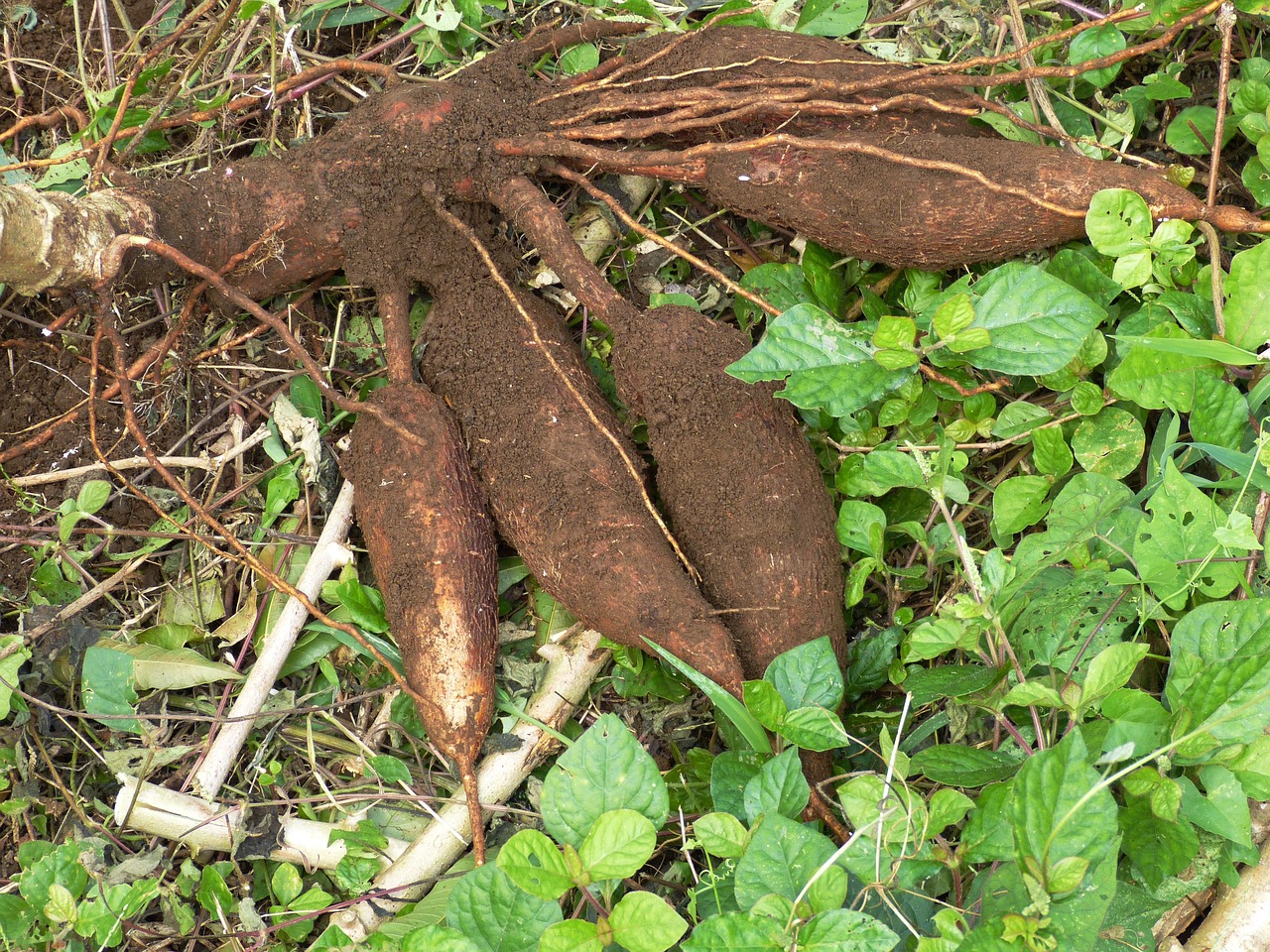
The tapioca plant (Manihot esculenta), often celebrated for its starchy tuberous roots, holds a significant place in the world of agriculture and culinary arts. Native to South America, this resilient and adaptable plant has made its mark globally, contributing not only to traditional cuisines but also to various industrial applications. In this exploration, we delve into the tapioca plant’s origins, cultivation practices, nutritional value, and its diverse uses that extend beyond the kitchen.
Origins and Spread:
The tapioca plant traces its roots back to South America, particularly the region now known as Brazil. were The first to cultivate and consume this plant is indigenous communities in the Amazon rainforest , recognizing its ability to thrive in diverse soil and climate conditions. With the advent of trade and exploration, tapioca soon spread to other parts of the world, becoming a staple crop in regions with tropical and subtropical climates.
Cultivation Practices:
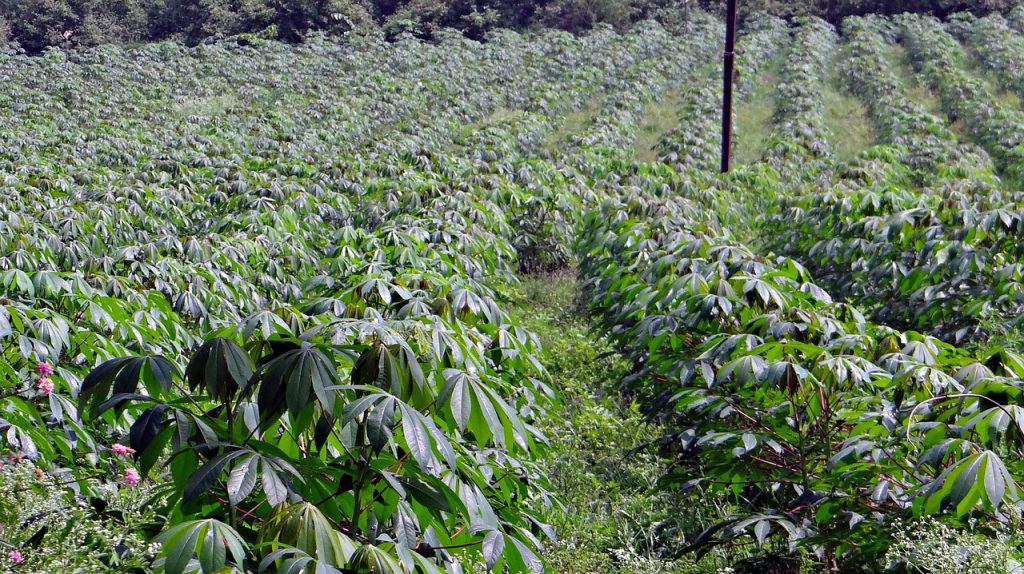
Tapioca plants are known for their hardiness and ability to grow in less fertile soils, making them suitable for cultivation in various environments. They belong to the Euphorbiaceae family and are characterized by their large, palmate leaves and tuberous roots. Well-drained soil and warm temperatures are required for tapioca growth, thus they can thrive in areas with consistent rainfall.
Planting stem cuttings is typically involved in this cultivation process, as the plant rarely produces viable seeds. Farmers cut stems into sections, each containing nodes, and plant them in prepared fields. The plants undergo a period of maturation, with the tuberous roots reaching harvestable size within 9 to 12 months.
Nutritional Value:
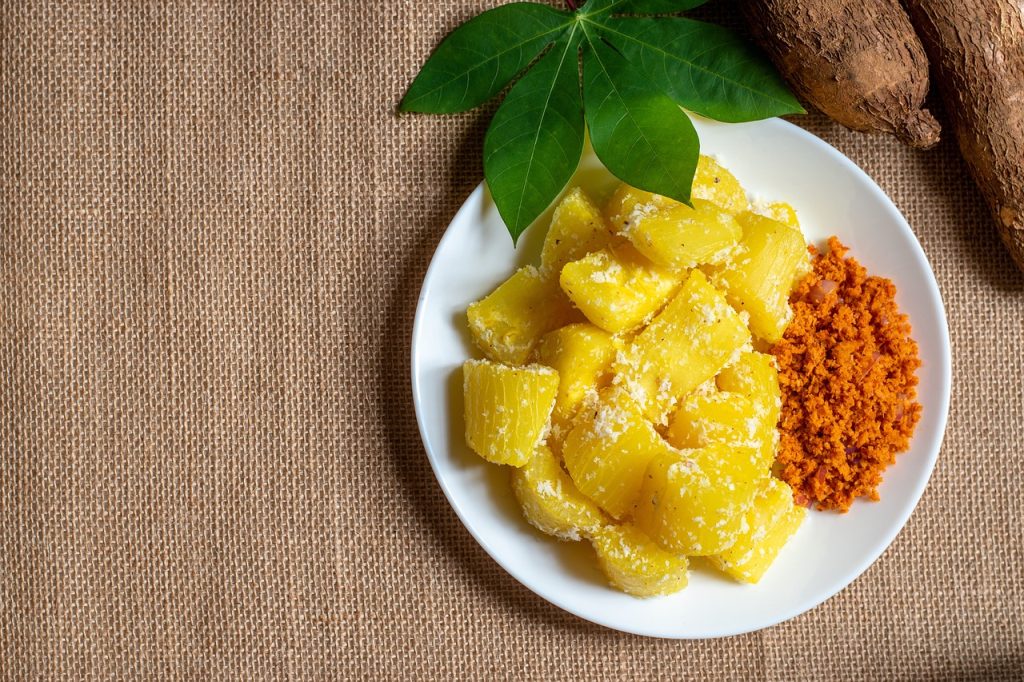
Tapioca roots are primarily composed of starch, making them an excellent source of energy. However, other essential nutrients including dietary fiber, vitamins, and minerals are also contained in them. While tapioca is not particularly rich in vitamins and minerals compared to other vegetables, its nutritional profile contributes significantly to a balanced diet. Additionally, tapioca is gluten-free, making it a suitable alternative for individuals with gluten sensitivities or celiac disease.

Versatile Culinary Uses:
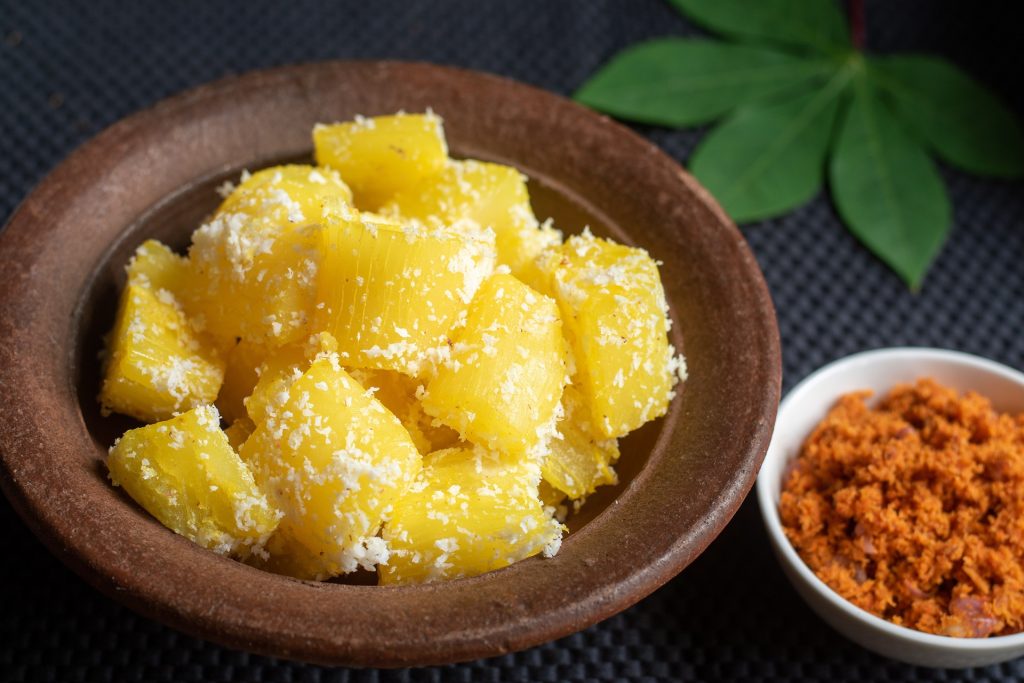
Tapioca pearls, extracted from the starch of the plant’s roots, are perhaps the most well-known form of tapioca in the culinary world. Widely used in desserts, bubble teas, and puddings, tapioca pearls are valued for their unique texture when cooked. Beyond pearls, tapioca flour is a common ingredient in gluten-free baking, imparting a chewy texture to various baked goods.
In many tropical countries, tapioca is a dietary staple, consumed in various forms such as cassava bread, pancakes, and savory dishes. The versatility of tapioca in both sweet and savory applications highlights its importance in global cuisines.

Industrial Applications:
Beyond the kitchen, tapioca has found its way into various industrial applications. Tapioca starch is a key ingredient in producing biofuels, textiles, and paper. Its adhesive properties make it valuable in manufacturing adhesives, glues, and coatings. Pharmaceutical and cosmetic industries also use tapioca starch for its binding and thickening qualities.
Challenges and Future Prospects:
While the tapioca plant has proven to be a resilient and valuable crop, it is not without challenges. Pests, diseases, and the impact of climate change pose threats to tapioca cultivation. Researchers and farmers are actively working on developing resilient varieties and sustainable farming practices to ensure the continued success of tapioca as a global crop.
Conclusion:
In conclusion, the tapioca plant stands as a testament to the interconnectedness of agriculture, culture, and industry. From its origins in the Amazon rainforest to its widespread cultivation and diverse uses, tapioca has earned its place as a versatile and valuable crop. Whether enjoyed as a comforting dessert or utilized in industrial processes, the tapioca plant’s impact is felt far beyond the fields where it grows, making it a fascinating subject of study and appreciation.