





Tea is more than just a beverage; it’s a tradition, a cultural symbol, and a source of numerous health benefits. With a rich history spanning centuries, tea comes in various forms, each with its own unique flavor profile and health-promoting properties. In this exploration, we delve into the diverse world of tea, uncovering the nuances of different types and their associated health benefits.
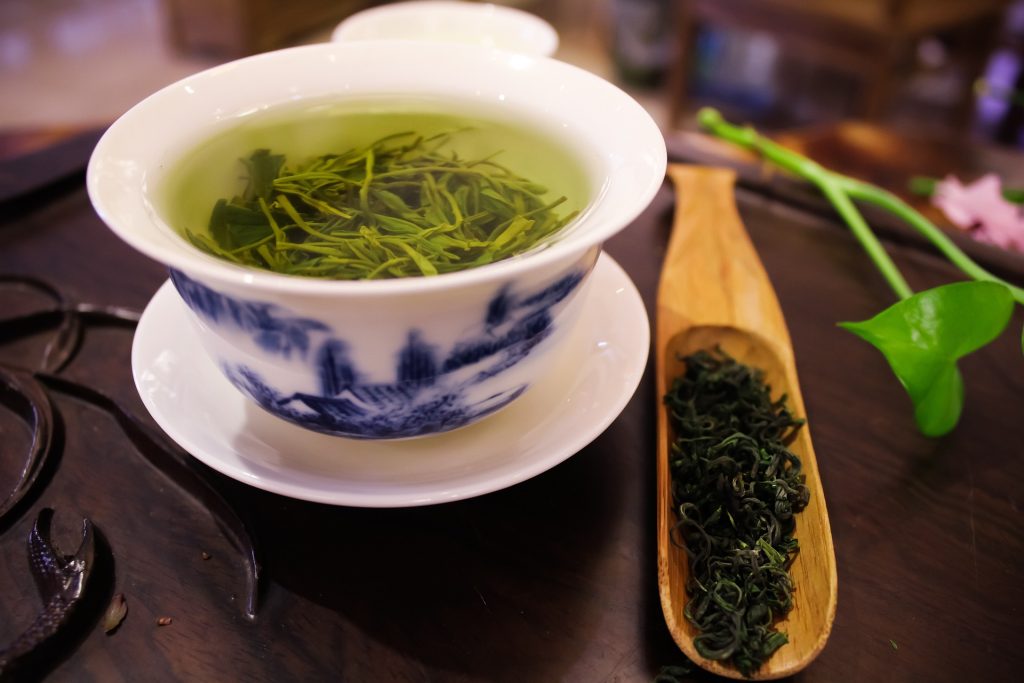
Green Tea: Nature’s Elixir
Green tea, derived from the Camellia sinensis plant, undergoes minimal oxidation during processing, preserving its natural compounds. Renowned for its high concentration of catechins, particularly epigallocatechin gallate (EGCG), a myriad of health benefits are offered by green tea. EGCG, a potent antioxidant, helps combat oxidative stress, reducing the risk of chronic diseases such as cancer and cardiovascular ailments. Additionally, green tea consumption has been linked to improved metabolism, aiding in weight management and promoting overall wellness.

Black Tea: Bold Flavor, Robust Health Benefits
Black tea, characterized by its fully oxidized leaves, boasts a robust flavor profile and an array of health benefits. Rich in flavonoids and theaflavins, antioxidant properties that protect cells from damage caused by free radicals are exhibited by black tea. Regular consumption of black tea has been associated with lower cholesterol levels, reduced risk of stroke, and improved cardiovascular health. Furthermore, a gentle energy boost is provided by the caffeine content in black tea, enhancing alertness and cognitive function.

Oolong Tea: The Balance of Tradition and Health
Oolong tea represents the perfect harmony between green and black tea, undergoing partial oxidation to create a distinctive flavor profile. A wealth of health benefits are offered by this traditional Chinese tea, thanks to its polyphenol content. Oolong tea consumption has been linked to improved digestion, enhanced metabolism, and strengthened immune function. Moreover, its moderate caffeine content provides a gentle stimulant effect, promoting mental clarity and concentration without the jittery side effects associated with coffee.
White Tea: Delicate Flavor, Powerful Antioxidants
White tea, prized for its delicate flavor and minimal processing, stands out as one of the healthiest tea varieties available. Packed with antioxidants, including catechins and flavonoids, unparalleled protection against cellular damage and premature aging is offered by white tea. Studies suggest that white tea may help reduce the risk of certain cancers, support skin health, and improve oral hygiene by inhibiting bacterial growth. Its low caffeine content makes it an excellent choice for those seeking a soothing beverage without excessive stimulation.

Herbal Tea: Nature’s Remedy
Unlike traditional teas derived from the Camellia sinensis plant, herbal teas encompass a diverse range of infusions made from various herbs, spices, and botanicals. From chamomile and peppermint to ginger and turmeric, a multitude of health benefits tailored to individual needs are offered by herbal teas. Chamomile tea, renowned for its calming properties, aids in relaxation and promotes better sleep quality. Peppermint tea soothes digestive discomfort and alleviates nausea, while ginger tea helps combat inflammation and supports gastrointestinal health.

Rooibos Tea: South Africa’s Gift to Wellness
Rooibos tea, native to South Africa, has gained global popularity for its unique flavor and impressive health benefits. Rich in antioxidants, such as as paladin and quercetin, rooibos tea offers potent anti-inflammatory and immune-boosting properties. Regular consumption of rooibos tea has been associated with improved heart health, better blood sugar control, and enhanced skin vitality. Furthermore, its caffeine-free nature makes it an ideal choice for those seeking a soothing, caffeine-free alternative to traditional teas.
Conclusion
In the world of tea, diversity reigns supreme, offering a wide array of flavors and health benefits to suit every palate and lifestyle. From the boldness of black tea to the delicacy of white tea and the herbal remedies of chamomile and ginger, each type of tea brings its own unique contributions to health and wellness. By exploring the diverse spectrum of teas available, individuals can harness the power of nature to enhance their well-being and embrace a healthier lifestyle, one cup at a time.