




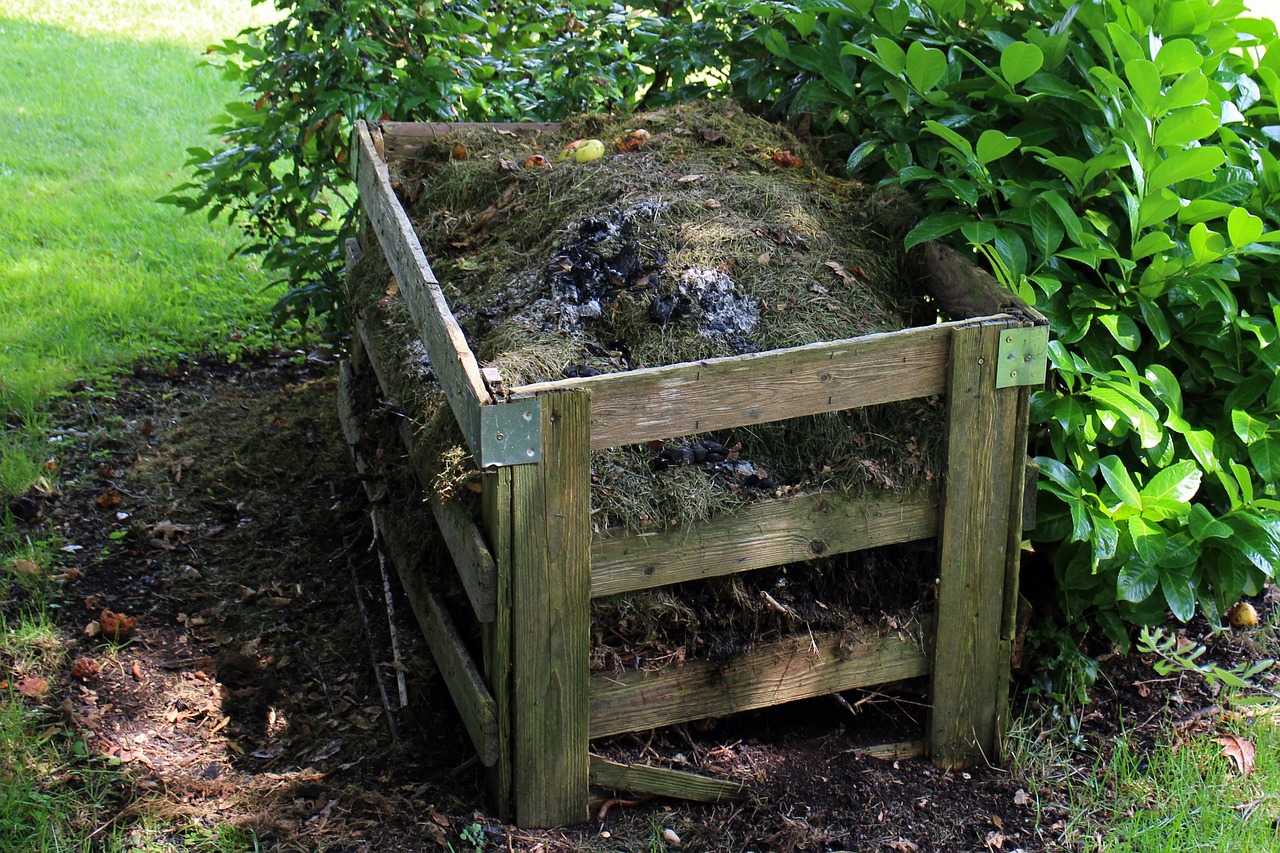
Compost pits, often overlooked in the realm of waste management, emerge as unsung heroes in fostering sustainable practices. These simple, yet powerful, systems offer a myriad of advantages that extend far beyond the mere decomposition of organic waste. As communities worldwide grapple with mounting environmental challenges, the adoption of compost pits stands as a practical and impactful solution.

1. Waste Diversion and Reduction:
One of the primary advantages of compost pits lies in their ability to divert organic waste from landfills. Organic materials, such as kitchen scraps, yard trimmings, and other biodegradable substances, make up a significant portion of household waste. By channeling these materials into compost pits, the volume of waste sent to landfills can be substantially reduced by communities, mitigating the environmental burden associated with landfill disposal.
This waste diversion is particularly crucial in addressing the global issue of overflowing landfills and the subsequent release of harmful greenhouse gases. Composting allows for the conversion of organic waste into nutrient-rich soil amendments, minimizing the environmental impact and promoting a circular economy.

2. Soil Enrichment and Nutrient Cycling:
Compost pits play a pivotal role in enhancing soil fertility and structure. The compost produced through this process serves as a natural and nutrient-dense fertilizer, enriching the soil with essential elements. Valuable nutrients, such as nitrogen, phosphorus, and potassium are released by the decomposition of organic matter in compost pits, fostering a dynamic ecosystem in the soil.
Furthermore, structure of soil is improved by compost compost by enhancing water retention and drainage. This is particularly beneficial in regions facing challenges related to water scarcity or excessive rainfall. As the compost-amended soil becomes more resilient, it promotes healthy plant growth, reduces erosion, and contributes to overall environmental sustainability.
3. Carbon Sequestration and Climate Change Mitigation:
Compost pits contribute significantly to carbon sequestration, a crucial process in mitigating climate change. When organic waste decomposes in landfills, it produces methane, a potent greenhouse gas with a far greater impact on global warming than carbon dioxide. Composting, on the other hand, provides a controlled environment where organic matter decomposes aerobically, producing carbon dioxide instead of methane.
By opting for composting, communities actively reduce their carbon footprint and contribute to climate change mitigation efforts. The resulting compost also acts as a carbon sink when incorporated into the soil, aiding in the long-term storage of carbon and promoting ecological balance.

4. Cost-Effective and Low-Tech Solution:
Compost pits present a cost-effective and low-tech waste management solution accessible to a wide range of communities. Unlike sophisticated waste treatment facilities that require substantial financial investments and specialized infrastructure, compost pits can be implemented with minimal resources. This simplicity not only makes composting financially viable for local governments and communities but also empowers individuals to embrace composting on a smaller scale at the household level.
The low-tech nature of compost pits aligns with the principles of sustainability, emphasizing the importance of decentralized, community-driven initiatives. By fostering a culture of composting at the grassroots level, communities can collectively contribute to waste reduction and environmental conservation.

5. Community Engagement and Education:
Compost pits serve as educational tools that engage communities in sustainable practices. Implementing composting programs not only addresses the immediate environmental concerns but opportunities for awareness and education also created . As individuals actively participate in composting, they develop a deeper understanding of the waste stream, the importance of recycling organic materials, and the broader implications for environmental well-being.
Additionally, a sense of shared responsibility, encouraging residents to work together towards a common goal is fostered by community composting initiatives. This collaborative approach strengthens community bonds and promotes a collective commitment to sustainable living practices.
In conclusion, compost pits emerge as powerful instruments in the pursuit of sustainable waste management and environmental conservation. Their ability to divert waste from landfills, enrich soil, sequester carbon, and engage communities in eco-friendly practices positions composting as a multifaceted solution to pressing environmental challenges. As we navigate an era of heightened environmental awareness, embracing the advantages of compost pits represents a tangible and impactful step towards cultivating a more sustainable future.