



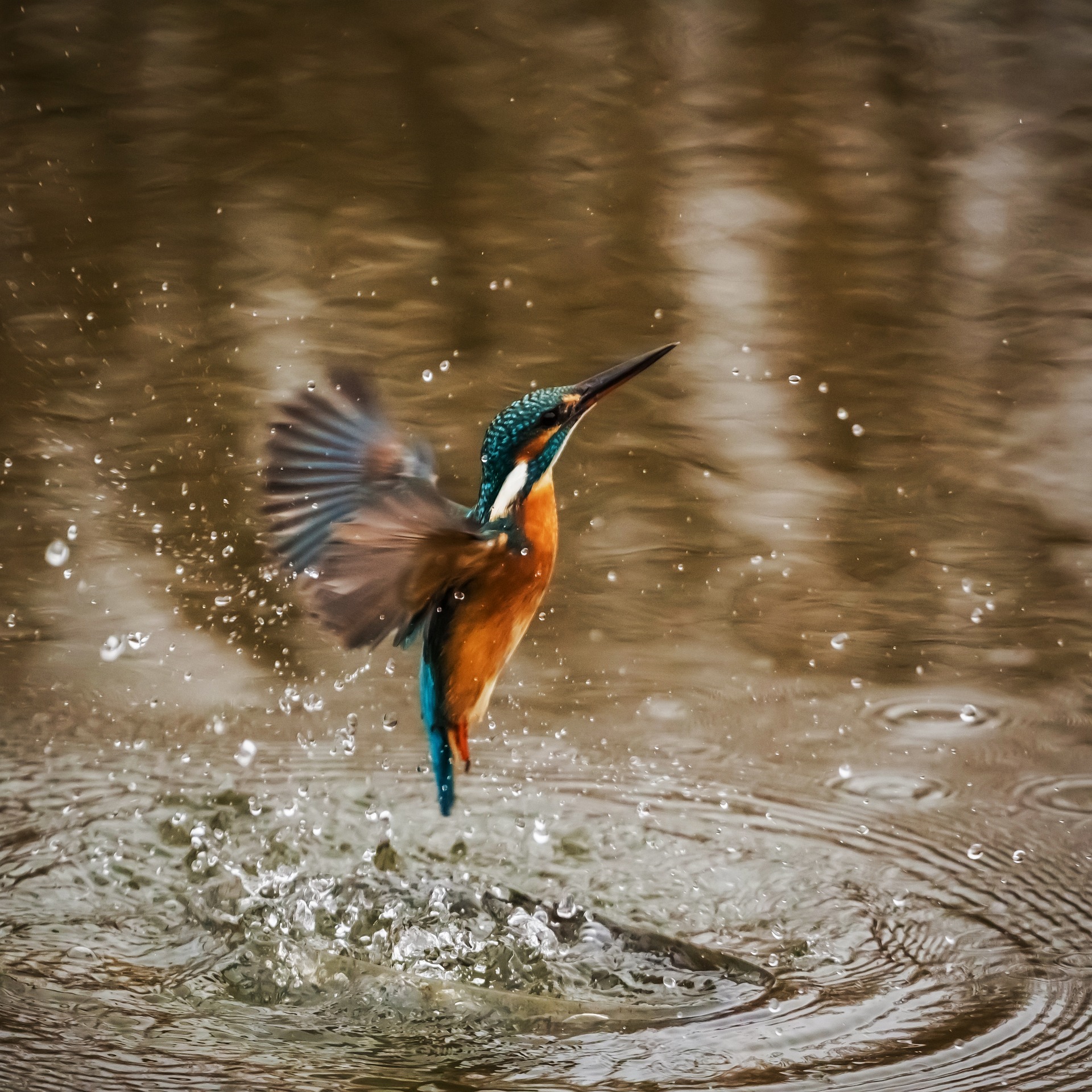
Birds are some of the most diverse creatures on our planet, with over 10,000 species spread across every continent and inhabiting various ecosystems. From the majestic eagles soaring high in the sky to the tiny hummingbirds darting among flowers, a remarkable range of sizes, shapes, colors, and behaviors are exhibited by birds. In this exploration of avian life, we delve into the different types of birds, categorizing them based on various characteristics such as habitat, feeding habits, and physical attributes.

Waterfowl
Waterfowl are birds that are specially adapted to aquatic environments, often found in or near bodies of water such as lakes, rivers, and marshes. Ducks, geese, and swans are prominent examples of waterfowl. These birds typically have webbed feet for efficient swimming and waterproof feathers to repel water. Their diets consist of aquatic vegetation, insects, and small fish. Many waterfowl species are migratory, traveling long distances between breeding and wintering grounds.
Birds of Prey
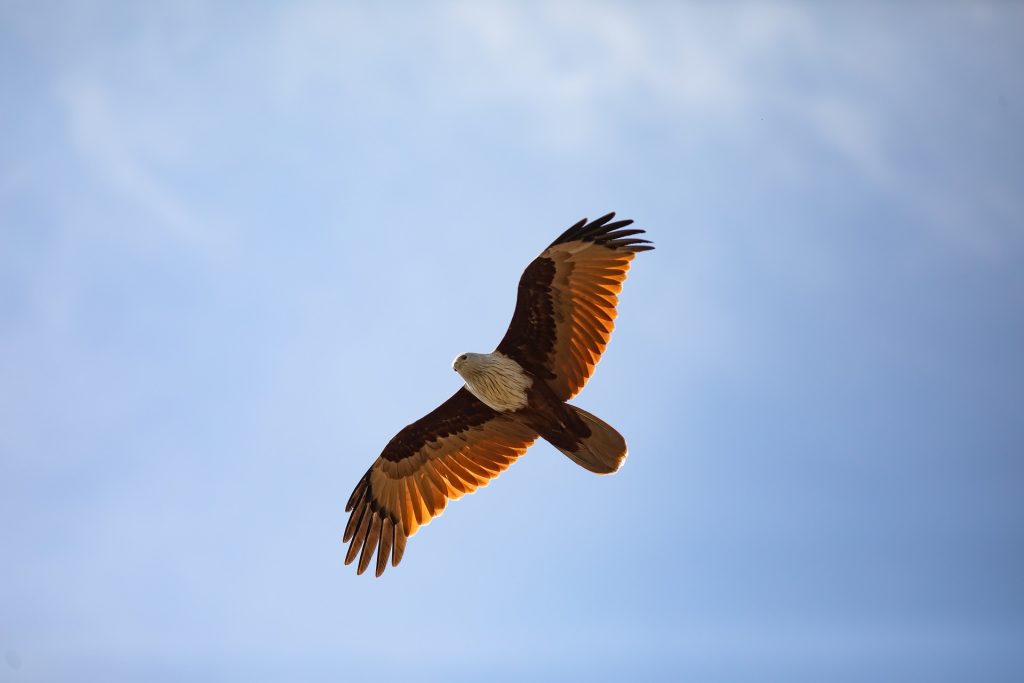
Birds of prey, also known as raptors, are formidable hunters characterized by keen eyesight, powerful talons, and hooked beaks. This group includes eagles, hawks, falcons, and owls. Raptors are apex predators in their respective ecosystems, preying on a variety of animals ranging from small rodents to other birds. Exceptional hunting skills are exhibited by them, often utilizing stealth and speed to capture their prey. Owls, with their nocturnal habits and silent flight, are particularly fascinating members of this group.
Songbirds
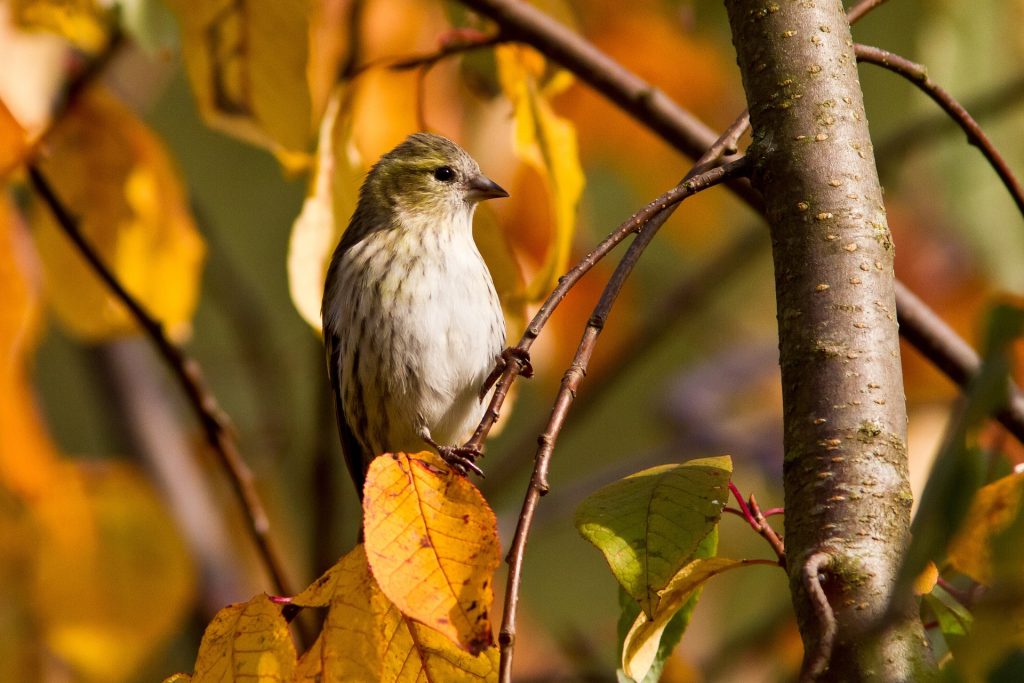
Songbirds, also called passerines, constitute the largest group of birds, encompassing over half of all bird species. These birds are known for their melodious songs, which they use for communication, territorial defense, and attracting mates. A wide array of plumage colors and patterns are displayed by songbirds, making them visually striking. Examples of songbirds include robins, sparrows, warblers, and finches. They inhabit diverse habitats such as forests, grasslands, and urban areas, and their diet varies from seeds and insects to fruits and nectar.
Wading Birds
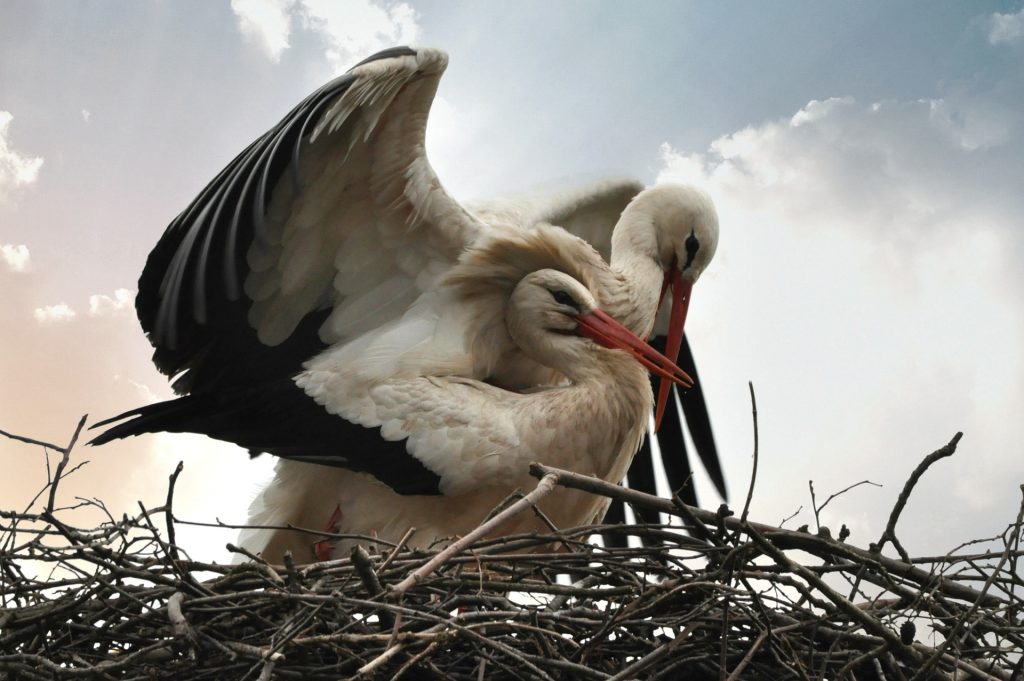
Wading birds are specialized for foraging in shallow waters, often seen stalking prey in marshes, mudflats, and coastal shores. Herons, egrets, and storks are notable examples of wading birds. They possess long legs, slender bills, and elongated necks, which aid in capturing fish, amphibians, and crustaceans. Many wading birds exhibit graceful movements as they wade through water or stand motionless, patiently waiting for their next meal. Crucial roles are played by these birds in wetland ecosystems, controlling populations of aquatic organisms and contributing to nutrient cycling.
Seabirds
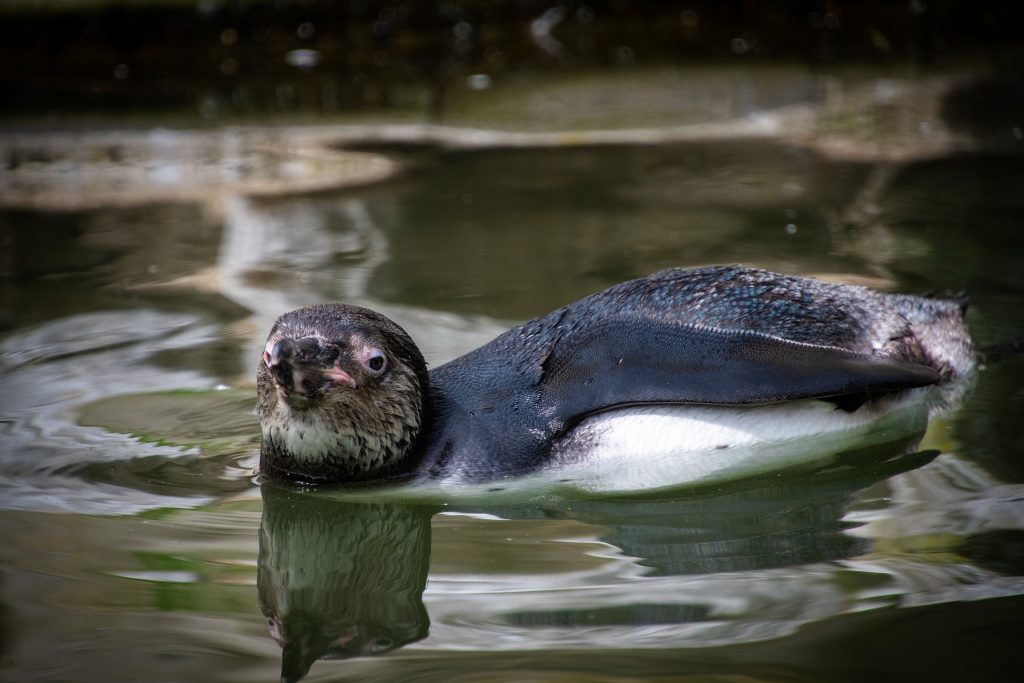
Seabirds are adapted for life in marine environments, spending most of their lives at sea and returning to land only for breeding. Albatrosses, gulls, puffins, and penguins are among the diverse array of seabirds found worldwide. They have waterproof plumage, salt glands to excrete excess salt, and strong wings for efficient flight over vast ocean expanses. Various feeding strategies are exhibited by seabirds, including scavenging, plunge diving, and surface feeding. Many species form large breeding colonies on remote islands, where they engage in elaborate courtship displays and raise their young.
Perching Birds
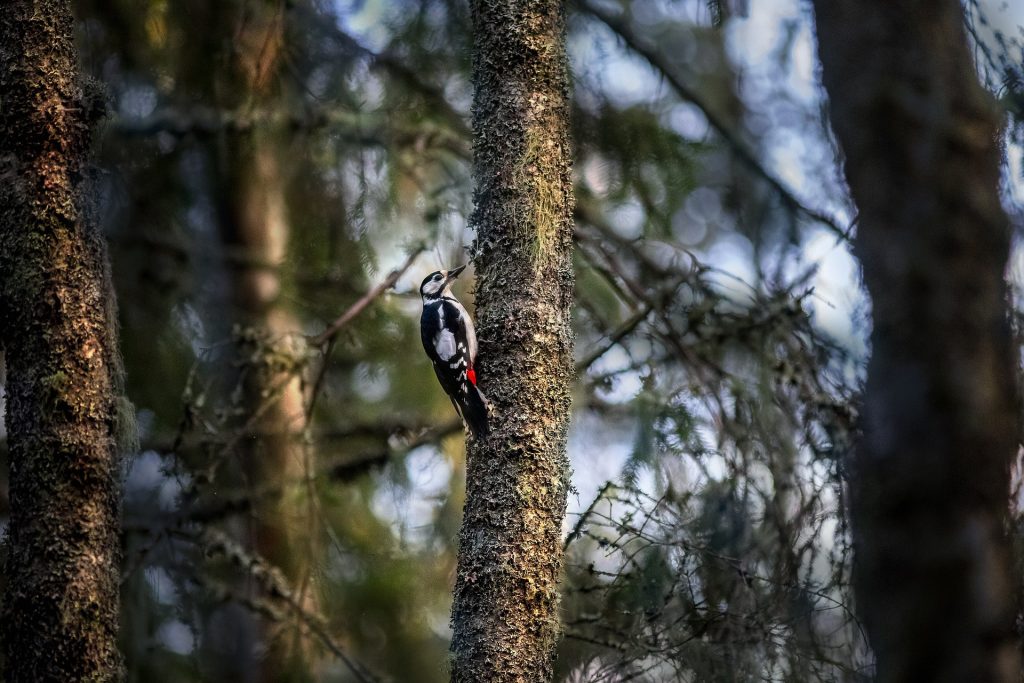
Perching birds, or passerines, are distinguished by their specialized feet adapted for gripping branches and perches. These birds are adept at hopping, clinging, and flitting among trees and bushes in search of food. Finches, sparrows, thrushes, and woodpeckers are common examples of perching birds. They have versatile diets, feeding on seeds, insects, fruits, and nectar. Diverse behaviors exhibited by perching birds, from complex mating rituals to cooperative breeding strategies. Their adaptability and widespread distribution make them one of the most successful groups of birds on Earth.
Conclusion
The world of birds is as diverse as it is captivating, offering a glimpse into the marvels of evolution and ecological adaptation. From the graceful soaring of eagles to the intricate melodies of songbirds, each type of bird has its unique characteristics and ecological roles. By understanding and appreciating the diversity of avian life, we gain a deeper appreciation for the interconnectedness of all living organisms and the importance of preserving their habitats for future generations to enjoy.