



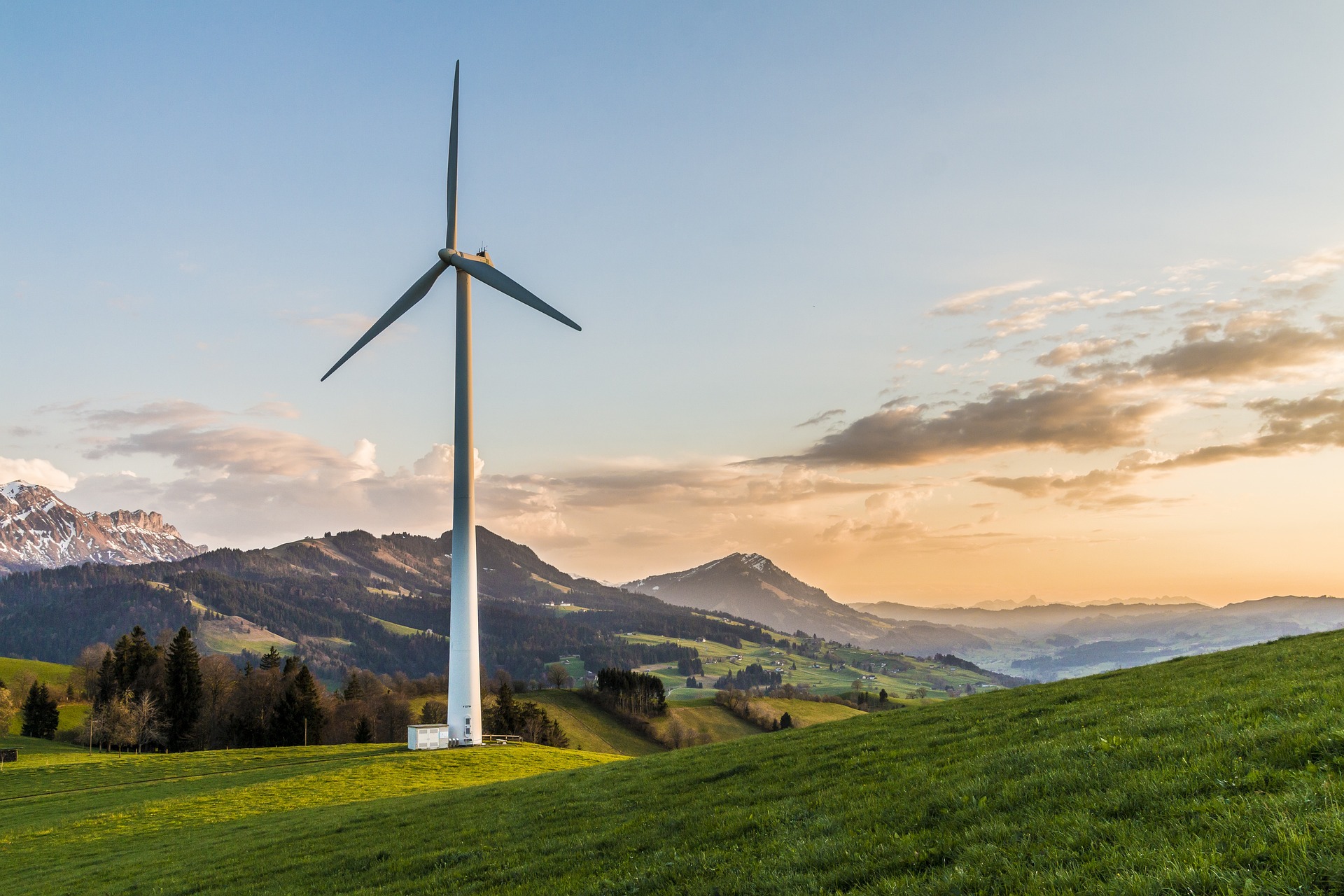
Windmills stand as iconic symbols of renewable energy, harnessing the power of nature to generate electricity and perform mechanical tasks for centuries. From their humble beginnings as simple machines to their modern, technologically advanced counterparts, windmills have played a crucial role in human history. the evolution, functionality, environmental impact, and prospects of windmills are explored by this article.
Historical Evolution:
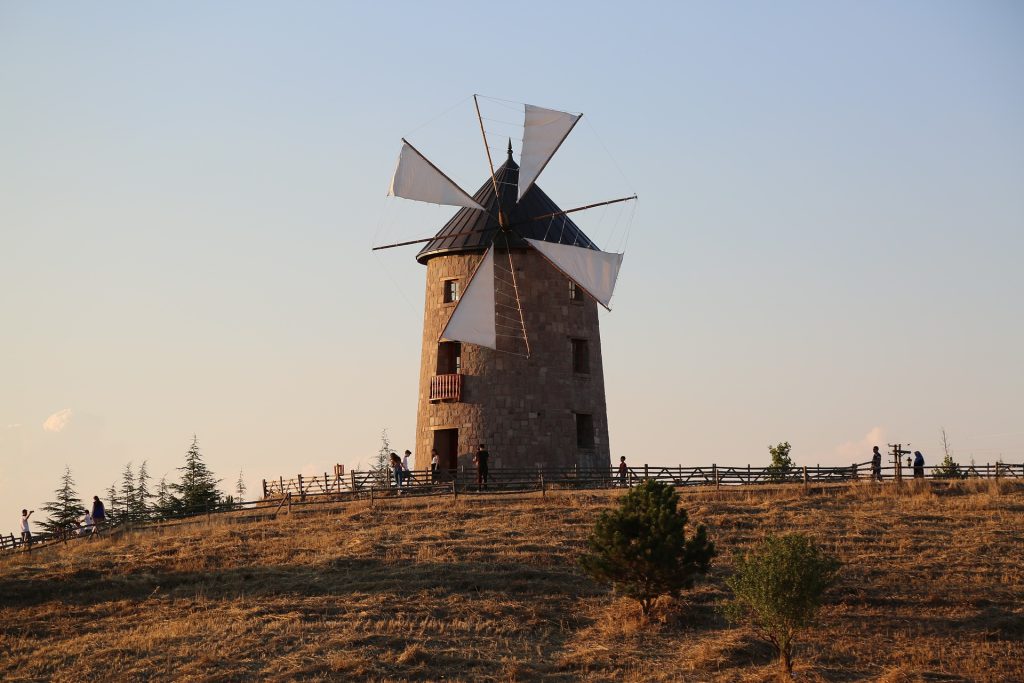
The history of windmills dates back to ancient times, with evidence of their use found in civilizations such as the Persians and Chinese. However, it was in medieval Europe that windmills gained prominence as vital tools for grinding grain and pumping water. These early designs consisted of simple wooden structures with cloth sails, capturing wind energy to turn a central shaft connected to millstones or pumps.
Functionality:
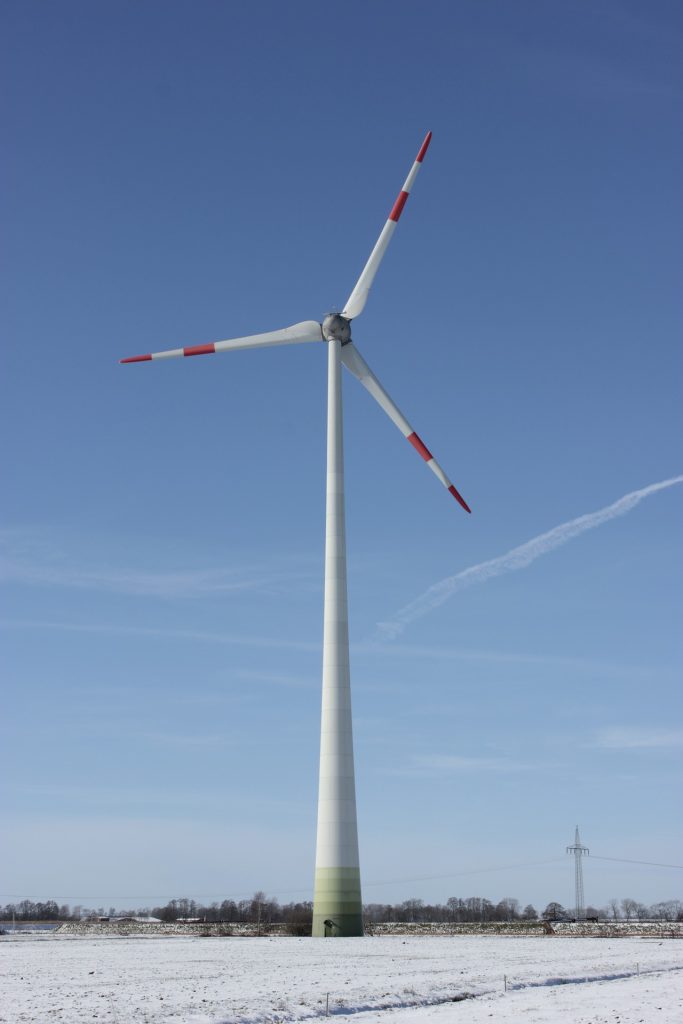
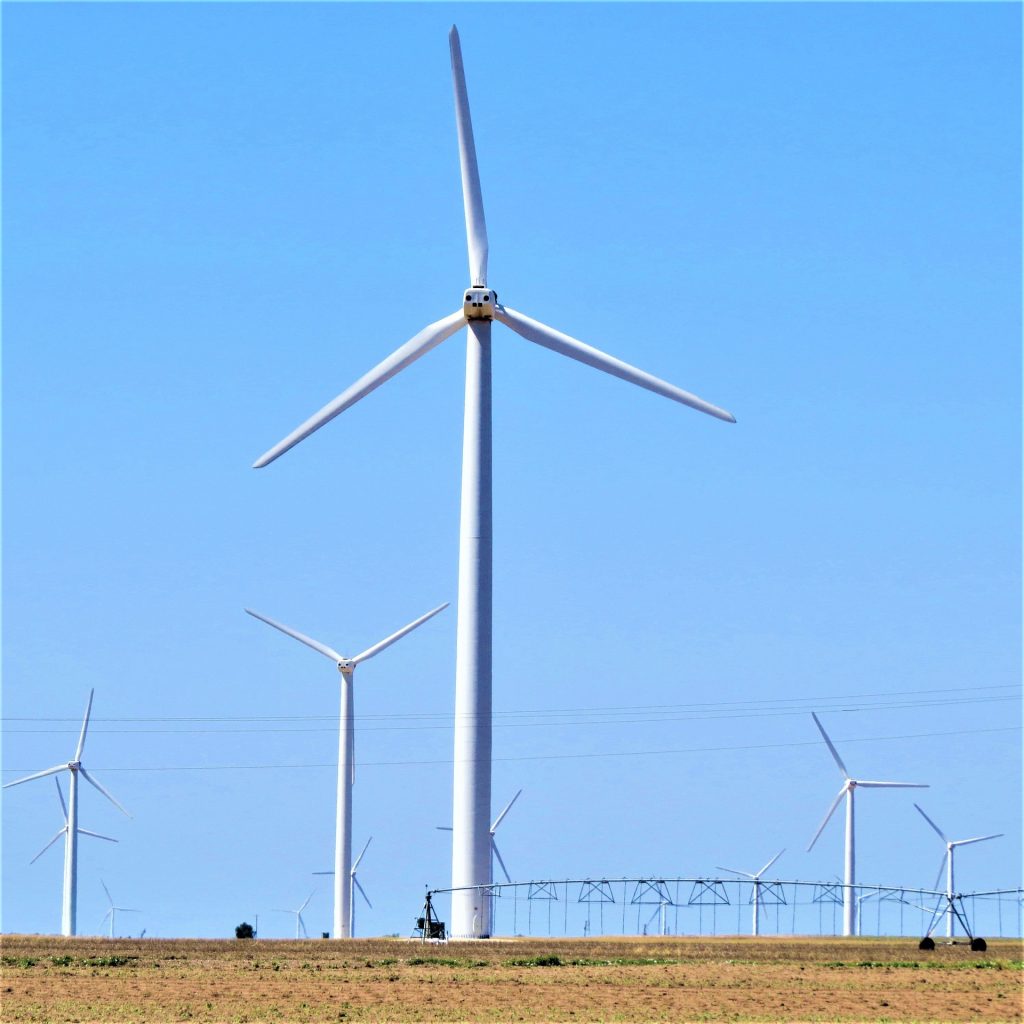
Windmills operate on a straightforward principle: converting kinetic energy from wind into mechanical energy. Modern windmills, also known as wind turbines, consist of several key components. The rotor blades, typically made of fiberglass or carbon fiber, capture the wind’s energy. As the wind turns the blades, a shaft connected to a generator is spinned by them and converts mechanical energy into electrical energy. This electricity can then be used to power homes, businesses, or stored in batteries for later use.
Environmental Impact:
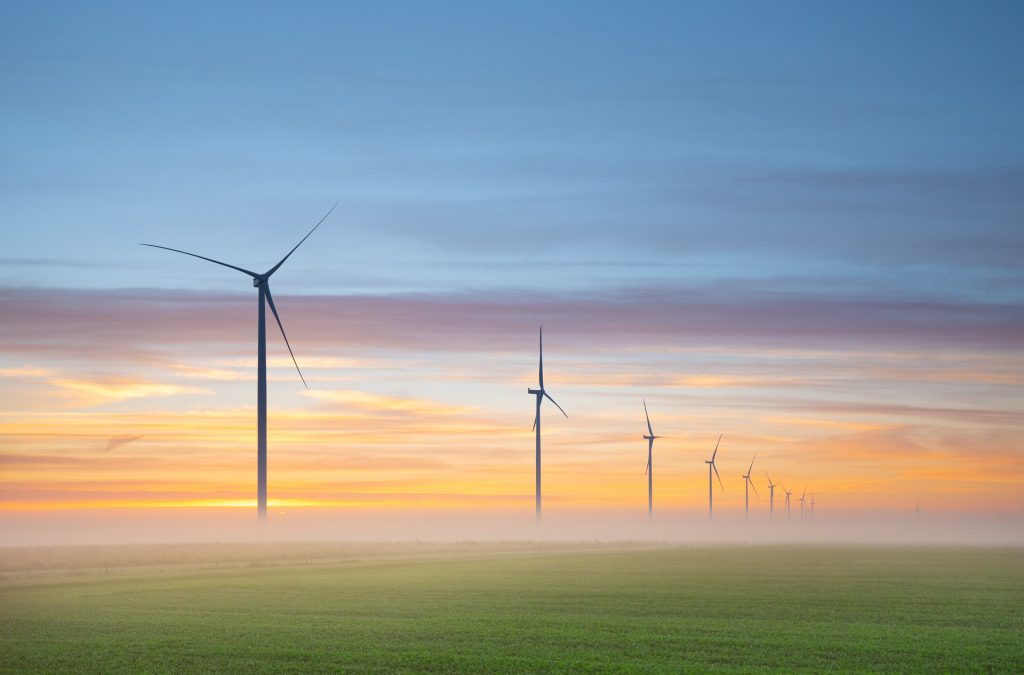
Minimal environmental impact compared to fossil fuel-based energy sources is one of the most significant advantages of windmill. Wind power produces no greenhouse gas emissions during operation, helping to mitigate climate change and reduce air pollution. Additionally, wind energy is renewable and abundant, making it a sustainable alternative to finite fossil fuels. However, concerns exist regarding the visual and auditory impacts of wind farms on landscapes and wildlife habitats, highlighting the importance of careful planning and siting.
Technological Advancements:
Advancements in technology have led to significant improvements in windmill efficiency, reliability, and affordability. Modern wind turbines are taller and more efficient than their predecessors, with larger rotor diameters and advanced aerodynamic designs maximizing energy capture. Furthermore, innovations in materials science and manufacturing have reduced maintenance costs and increased the lifespan of wind turbines. Additionally, developments in grid integration and energy storage technologies have enhanced the reliability and stability of wind power systems, enabling greater integration into existing electrical grids.
Economic Considerations:
The economic viability of wind power has steadily improved in recent years, driven by declining costs and government incentives. The levelized cost of electricity (LCOE) from wind energy has become increasingly competitive with conventional fossil fuel sources in many regions worldwide. Additionally, jobs in manufacturing, installation, maintenance, and support services are created by wind power projects, contributing to local economies. However, challenges such as intermittency, grid integration, and land use constraints can impact the economic feasibility of wind energy deployment.
Future Prospects:
The future of wind power looks promising, with continued growth expected as countries seek to decarbonize their energy systems and mitigate the impacts of climate change. Technological innovations, such as floating offshore wind turbines and airborne wind energy systems, hold the potential to further expand the reach and efficiency of wind energy generation. Moreover, advancements in energy storage, smart grid technologies, and demand-side management will enhance the integration of wind power into existing energy infrastructures.
Conclusion:
Windmills have come a long way from their humble beginnings as grain-grinding machines to become a cornerstone of modern renewable energy systems. With their ability to harness the power of wind to generate electricity, a sustainable alternative to fossil fuels is offered by windmills while reducing greenhouse gas emissions and air pollution. Continued advancements in technology, coupled with supportive policies and investments, will further drive the growth of wind power and accelerate the transition to a cleaner, more sustainable energy future.