





Origami, the ancient Japanese art of paper folding, is more than just a hobby or craft—it’s a form of artistic expression that transcends cultural boundaries. From delicate cranes to intricate dragons, a wide range of designs are encompassed by origami, each requiring skill, patience, and creativity. In this exploration, we delve into the fascinating world of origami, examining its history, techniques, and significance in contemporary culture.
Origins and Evolution
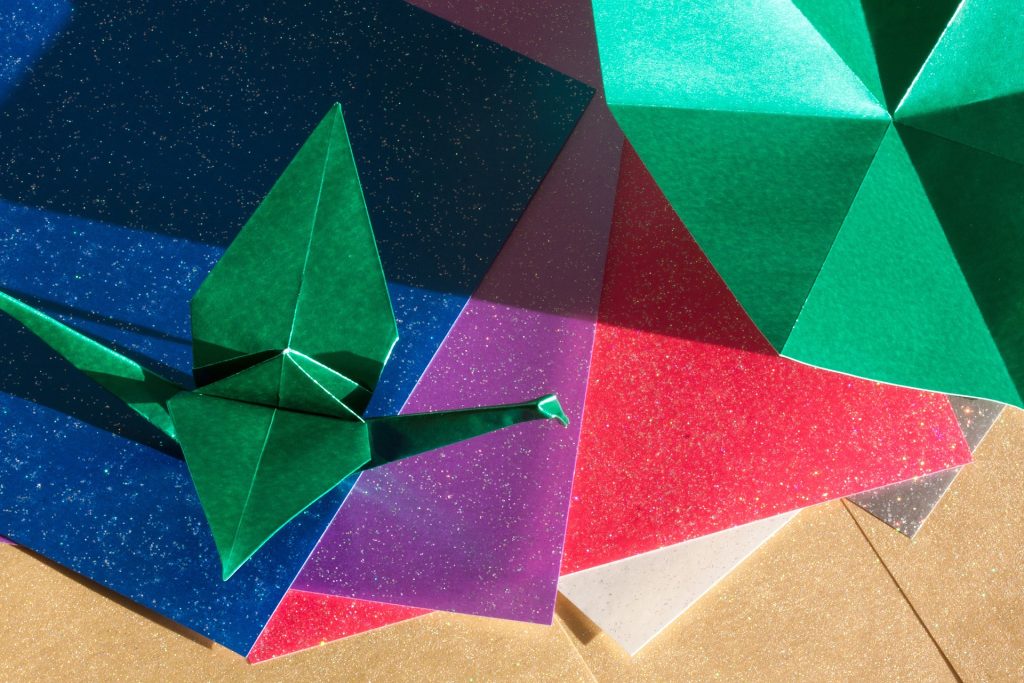
Origami’s roots can be traced back to ancient Japan, where it emerged as a ceremonial art form during the Edo period (1603-1868). Initially practiced by the aristocracy for religious ceremonies, origami gradually became more accessible to the general public. The earliest known origami designs were simple, geometric shapes folded from square pieces of paper, often used as offerings at Shinto ceremonies.
Over the centuries, origami evolved from traditional forms to include increasingly complex designs. In the mid-20th century, Japanese origami master Akira Yoshizawa pioneered the modern art of origami by developing innovative folding techniques and creating thousands of original designs. His work laid the foundation for the origami renaissance that spread globally, inspiring artists and enthusiasts alike to push the boundaries of the craft.
Techniques and Materials
Folding a single sheet of paper into various shapes and forms without cutting or gluing is involved in origami. The choice of paper is crucial, as different types offer unique textures, colors, and properties that influence the final result. Traditional origami paper, known as “washi,” is made from mulberry fibers and prized for its strength and flexibility. However, a variety of papers, including tissue paper, foil-backed paper, and even currency notes are often used by modern practitioners to achieve different effects.
Central to origami are fundamental folding techniques, such as valley folds, mountain folds, and reverse folds, which determine the structure and appearance of the final model. Precision and attention to detail are paramount, as even the slightest deviation can alter the outcome significantly. Advanced practitioners may also employ wet folding, a technique that involves dampening the paper to create more organic shapes and smoother curves.
Symbolism and Cultural Significance
Beyond its technical aspects, deep symbolic meaning and cultural significance are carried by origami. The most iconic origami model, the paper crane, is synonymous with peace, hope, and healing—a symbolism rooted in the story of Sadako Sasaki, a young victim of the Hiroshima atomic bombing who famously folded a thousand cranes in her quest for recovery.
In Japanese culture, origami is often associated with mindfulness, patience, and reverence for nature. Many traditional origami designs are inspired by animals, plants, and natural phenomena, reflecting a harmonious relationship between humanity and the environment. Moreover, origami plays a role in various ceremonial rituals and festivals, symbolizing blessings, good fortune, and spiritual connection.

Contemporary Applications
In contemporary society, origami has transcended its traditional roots to find applications in diverse fields, including art, science, and technology. Artists worldwide incorporate origami into their work, blending traditional techniques with modern materials and concepts to create captivating installations, sculptures, and fashion designs.
Moreover, scientists and engineers are increasingly turning to origami-inspired principles to solve complex problems in fields such as robotics, aerospace, and medicine. The folding patterns found in origami offer insights into efficient packing, deployable structures, and adaptive mechanisms, leading to innovations such as foldable solar panels, self-assembling satellites, and even origami-inspired heart stents.
Conclusion
Origami is more than just a pastime—it’s a timeless art form that continues to captivate and inspire people around the world. From its humble origins in ancient Japan to its modern-day applications in science and technology, origami embodies the human spirit of creativity, ingenuity, and cultural exchange. Whether practiced as a meditative hobby or studied as a scientific discipline, origami serves as a testament to the power of imagination and the beauty of simplicity folded into intricate shapes and forms.