




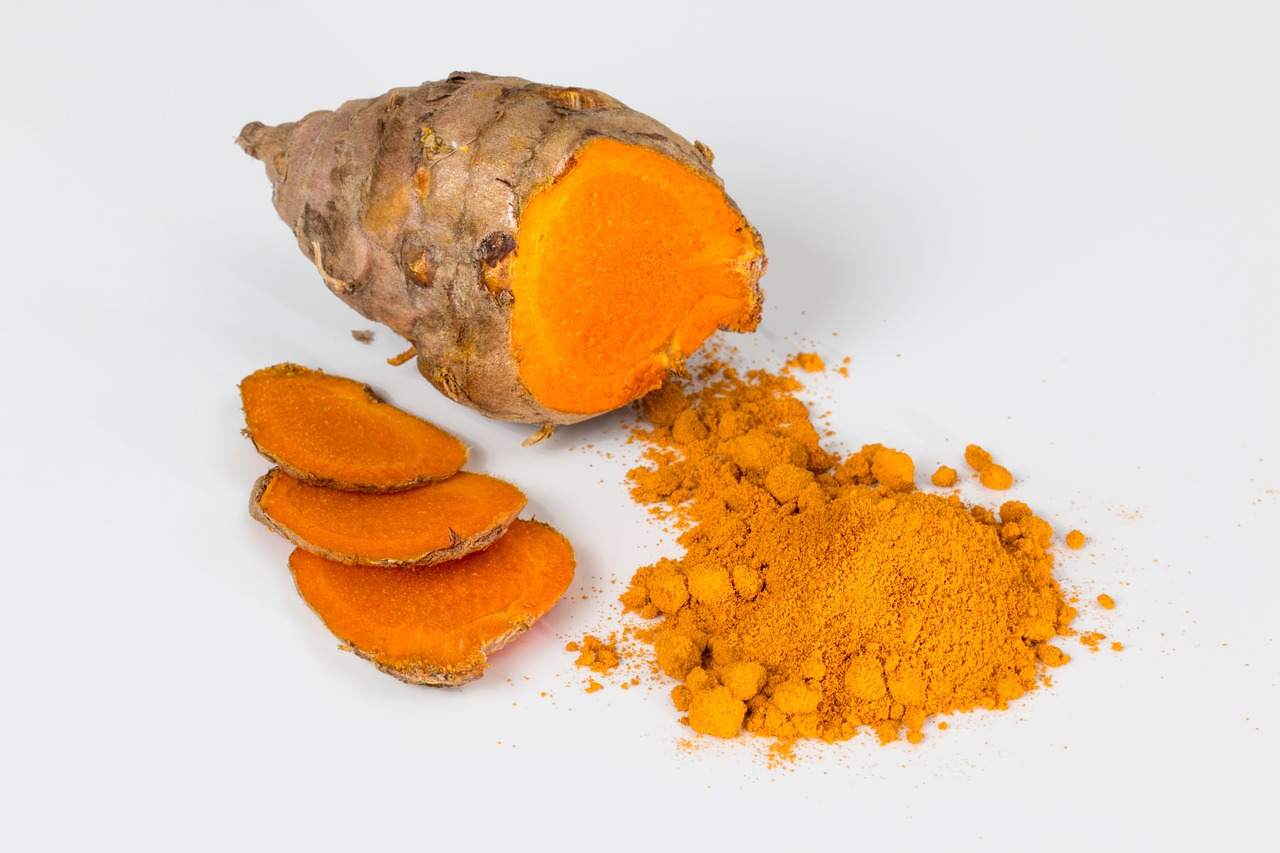
Turmeric is a bright yellow-orange spice derived from the root of the Curcuma longa plant and is commonly used in South Asian cuisine. It offers a warm, bitter flavor and is frequently incorporated into curry powders and various dishes for added taste and color. Apart from its culinary uses, turmeric is celebrated for its potential health advantages, primarily attributed to its active ingredient, curcumin. Curcumin is recognized for its anti-inflammatory, antioxidant, and possibly anti-cancer traits, which contribute to turmeric’s extensive applications in both traditional and contemporary medicine. It is available in several forms, including fresh roots, powder, capsules, and extracts. Additionally, turmeric is appreciated in many cultures for its skincare properties and ceremonial significance. Below are few of the key benefits associated with turmeric:
- Supports Digestion – Turmeric promotes bile production in the gallbladder, facilitating the breakdown of fats and aiding digestion. This can improve the digestion of fatty foods and alleviate issues like bloating and gas. Curcumin’s anti-inflammatory effects may help reduce gut inflammation, benefiting individuals with digestive disorders such as IBS and IBD, including Crohn’s disease and ulcerative colitis. Its antioxidant properties can protect the digestive system from damage by free radicals, maintaining gut lining health and overall digestive well-being. Research suggests that turmeric may help balance the gut microbiome by encouraging good bacteria growth while inhibiting harmful bacteria, essential for proper digestion and nutrient absorption. It can also soothe the digestive tract, alleviating irritation in the stomach lining and benefiting conditions like gastritis. Its antimicrobial properties may help prevent infections in the digestive system by suppressing the growth of harmful microorganisms. Additionally, turmeric can support liver health by enhancing detoxification and protecting it from damage, contributing to overall digestive function. Moreover, turmeric may enhance the action of digestive enzymes needed for breaking down carbohydrates and fats, leading to better digestion and nutrient uptake.
- Enhances Brain Health- Curcumin has been shown to increase levels of BDNF, a growth factor vital for the growth, maintenance, and survival of neurons. Higher BDNF levels are linked to improved cognitive abilities, memory, and learning; conversely, low BDNF levels are associated with disorders like depression and Alzheimer’s disease. Chronic inflammation and oxidative stress are significant factors in many neurodegenerative diseases, including Alzheimer’s. Curcumin’s strong anti-inflammatory and antioxidant properties may mitigate these detrimental processes, potentially slowing or preventing neurodegenerative diseases. Alzheimer’s disease is marked by amyloid plaques in the brain, and studies suggest that curcumin could help clear these plaques and inhibit their formation. This is crucial because amyloid plaques may lead to neuron degeneration and cognitive decline in Alzheimer’s patients. Curcumin could also promote neurogenesis, the creation of new neurons in the brain, particularly in the hippocampus, which is involved in memory and learning. By encouraging neurogenesis, curcumin may help maintain or enhance cognitive function with age. Synaptic plasticity, the ability of neural connections to strengthen or weaken over time, is crucial for learning and memory, and curcumin may enhance this process to improve cognitive function and memory retention. Some studies indicate that curcumin can increase cerebral blood flow, which is essential for delivering oxygen and nutrients to brain cells. Improved blood flow may enhance cognitive performance while lowering the risk of stroke and other vascular brain issues. Curcumin may also protect brain cells from neurotoxic damage, which is vital for preventing and alleviating neurodegenerative diseases.
- Boosts Immunity – Curcumin has been shown to enhance the activity of various immune cells, including T-cells, B-cells, and macrophages, which are important for detecting and fighting off harmful pathogens like bacteria and viruses. By boosting these immune cell functions, turmeric strengthens the body’s defense against infections. Curcumin helps regulate the immune response by maintaining a balance between pro-inflammatory and anti-inflammatory cytokines, thus preventing an overly aggressive immune response that could lead to autoimmune conditions while ensuring effective infection defense. Additionally, turmeric has natural antimicrobial properties that help fight a variety of pathogens, including bacteria, viruses, and fungi, reducing pathogen load and preventing infections. Turmeric also supports liver detoxification, which aids in eliminating toxins from the body, allowing the immune system to concentrate on fighting infections rather than toxic substances. Some studies suggest that curcumin may exhibit antiviral properties, potentially inhibiting virus replication and enhancing the body’s ability to fight viral infections, which can be especially valuable during flu seasons or viral outbreaks. By reducing inflammation and oxidative stress, turmeric may lower the risk of chronic diseases such as heart disease, diabetes, and cancer, which can weaken the immune system over time, thus aiding in the preservation of a robust immune response.
-Triparna