




Deforestation, the widespread clearing of forests for various purposes, has emerged as a critical global issue with far-reaching consequences for the environment, biodiversity, and climate. As human activities continue to escalate, the impact of deforestation becomes increasingly severe, posing significant challenges to the delicate balance of our planet’s ecosystems. This article delves into the multifaceted effects of deforestation, examining its repercussions on biodiversity, climate change, local communities, and the overall health of our planet.

Loss of Biodiversity:
One of the most immediate and devastating consequences of deforestation is the loss of biodiversity. Forests are home to a vast array of plant and animal species, many of which are yet to be discovered and studied. As their habitats are destroyed, countless species face extinction, disrupting intricate ecological relationships and diminishing the overall resilience of ecosystems. The loss of biodiversity not only threatens individual species but also undermines the services that diverse ecosystems provide, such as pollination, water purification, and disease regulation.

Climate Change:
Deforestation is a significant contributor to climate change, primarily due to the release of vast amounts of carbon dioxide (CO2) into the atmosphere. Trees act as carbon sinks, absorbing CO2 during photosynthesis and storing it as carbon in their biomass. When trees are cut down and burned or left to decay, this stored carbon is released back into the atmosphere. The increased concentration of greenhouse gases leads to the intensification of the greenhouse effect, trapping heat and causing global temperatures to rise.
Moreover, a crucial role is played by forest in regulating local and regional climates through a process known as evapotranspiration. Water vapor is released by trees through tiny pores in their leaves, influencing humidity and precipitation patterns. Deforestation disrupts this process, contributing to altered weather patterns, increased temperatures, and a heightened risk of extreme weather events such as floods and droughts.
Disruption of Water Cycles:
Forests play a vital role in maintaining water cycles by absorbing, storing, and releasing water gradually. The intricate root systems of trees help prevent soil erosion and maintain groundwater levels. These natural processes is disrupted by deforestation, leading to increased soil erosion, reduced water quality, and altered river and stream flows. Local communities relying on these water sources for agriculture and drinking water face heightened risks of scarcity and contamination.
Impacts on Indigenous Communities:
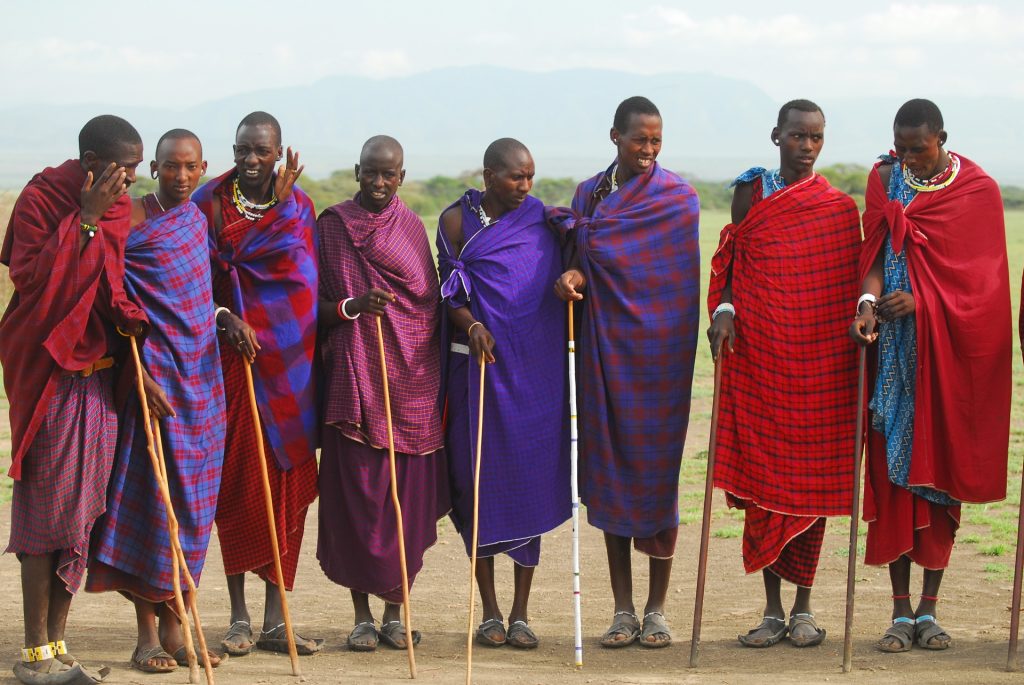
Deforestation often disproportionately affects indigenous communities that depend on forests for their livelihoods and cultural practices. The destruction of their ancestral lands not only undermines their traditional way of life but also leads to the loss of valuable knowledge about sustainable resource management. Indigenous communities are often marginalized and face economic and social challenges as their homes are destroyed, and their access to vital resources is compromised.
Economic Consequences:
While deforestation may provide short-term economic gains, the long-term consequences can be economically devastating. The loss of ecosystem services, such as clean water, pollination, and climate regulation, can have severe economic impacts on industries such as agriculture, fisheries, and tourism. Additionally, the decline in biodiversity may limit the potential for new medicines and other valuable resources that forests offer.
Conclusion:
Deforestation stands as a complex and urgent global issue that demands immediate attention and concerted efforts to mitigate its impacts. The far-reaching consequences, from the loss of biodiversity and disruption of climate patterns to the economic challenges faced by communities, underscore the critical need for sustainable forest management and conservation initiatives. As a global community, we must recognize the interconnectedness of our planet’s ecosystems and work collaboratively to address the root causes of deforestation, implement effective conservation strategies, and promote sustainable practices that prioritize the health of our environment for future generations.