



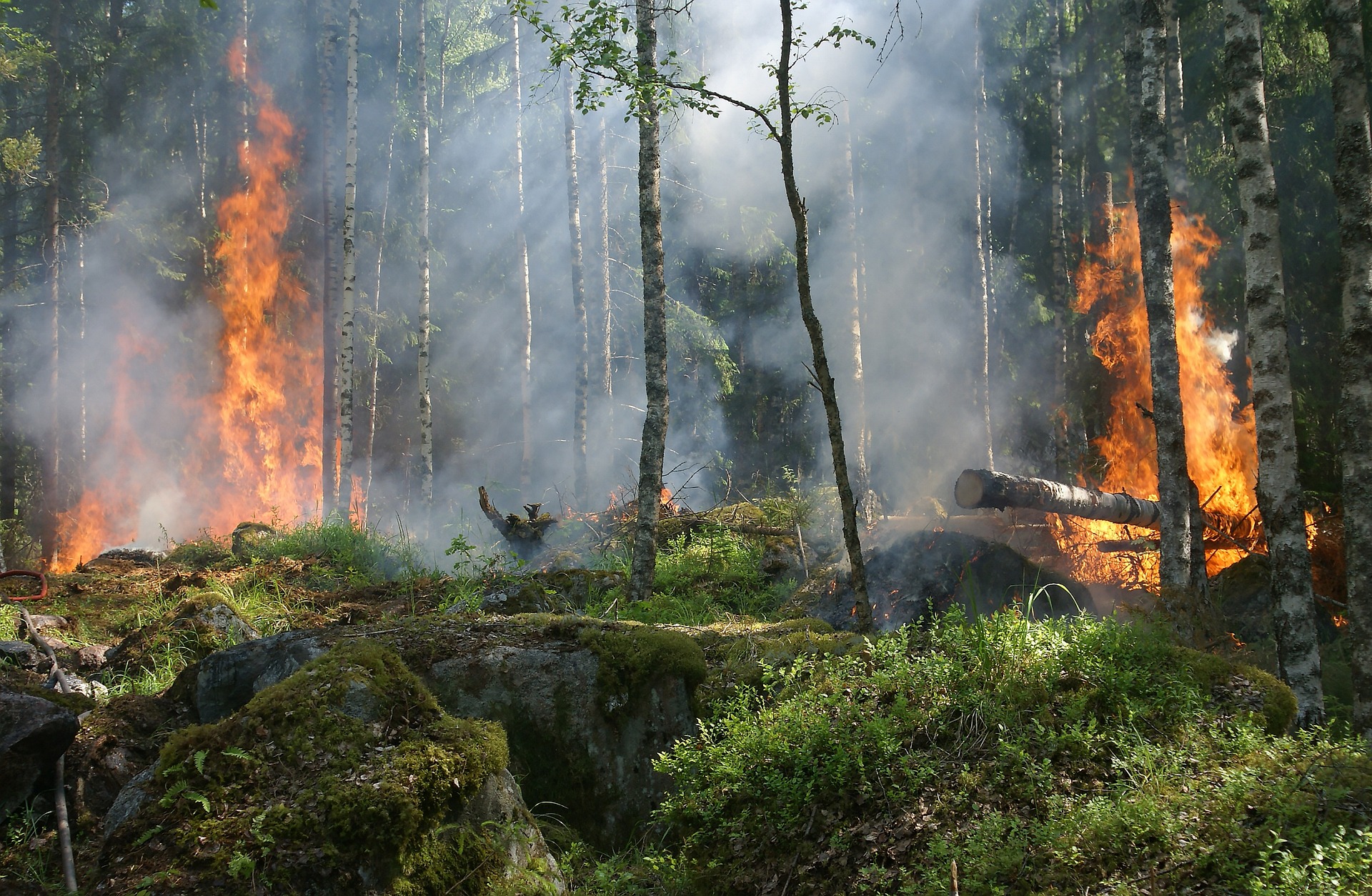
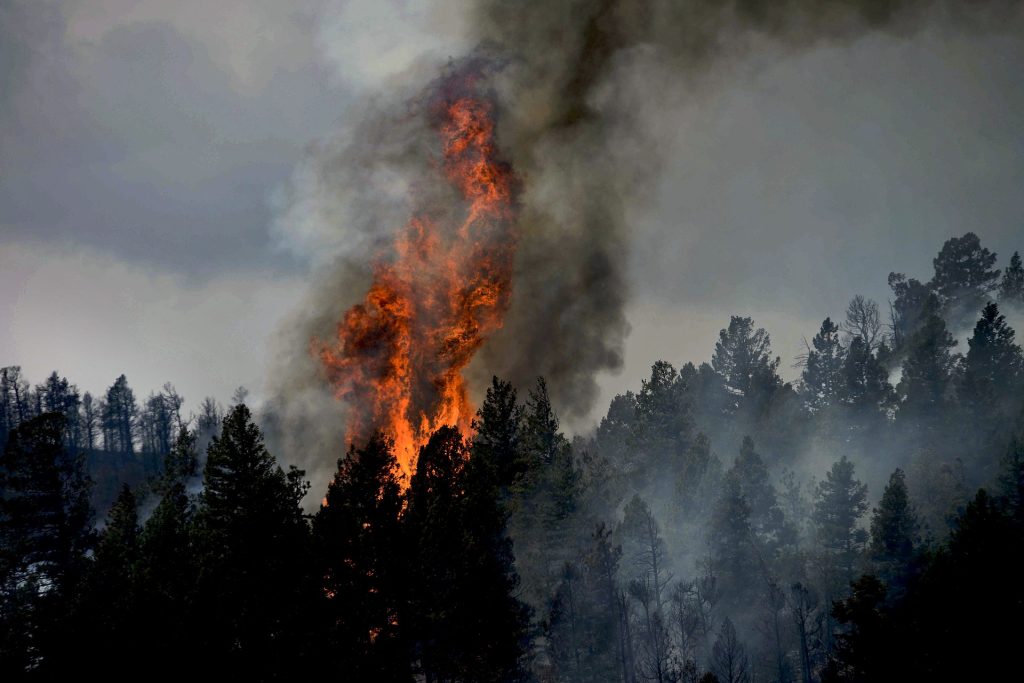
Forest fires, a natural ecological phenomenon, have been a part of Earth’s history for millions of years. However, the increasing frequency and intensity of these fires in recent times have raised concerns globally. This topic explores the various aspects of forest fires, including their causes, ecological impacts, and the importance of sustainable management to preserve our precious ecosystems.
Causes of Forest Fires:
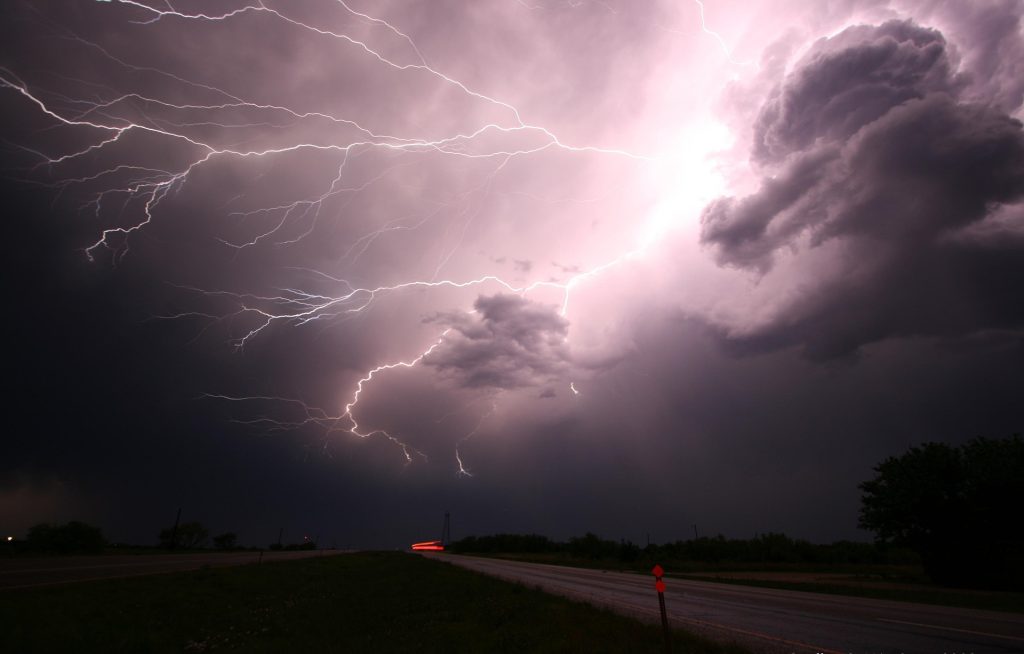
both natural and human-induced factors can trigger forest fires. Lightning strikes, a common natural cause, ignite dry vegetation in forests. Human activities, such as campfires left unattended, discarded cigarette butts, and arson, are significant contributors to the increasing incidence of forest fires. Additionally, climate change plays a role in altering weather patterns, leading to prolonged droughts and extreme temperatures, creating ideal conditions for fires to spread.
Ecological Impacts:
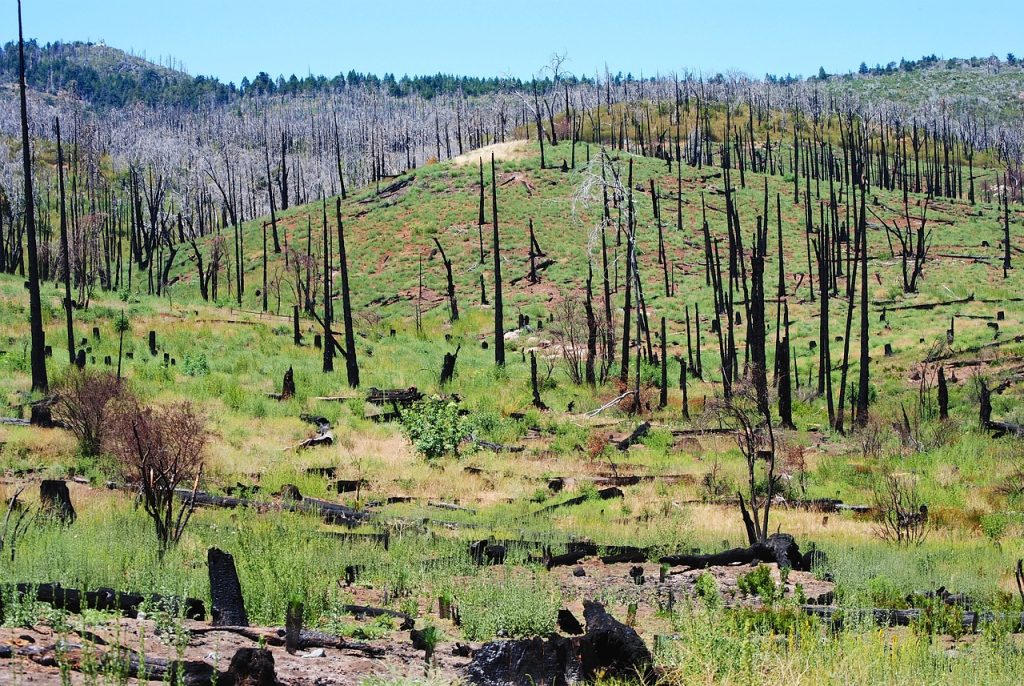
The ecological consequences of forest fires are profound and far-reaching. One of the immediate impacts is the loss of biodiversity, as many plant and animal species cannot escape the rapid spread of flames. the Structure and composition of ecosystems is altered by forest fires affecting the regeneration of plant species and disrupting natural habitats. The destruction of vegetation also contributes to soil erosion, hindering the nutrient cycle and leading to long-term degradation of soil quality.
Air Quality and Climate Change:
Large amounts of carbon dioxide, methane, and other greenhouse gases are released into the atmosphere by forest fires. The combustion of vegetation not only contributes to air pollution but also exacerbates climate change. The released carbon dioxide adds to the greenhouse gas concentration, trapping heat in the atmosphere and further intensifying global warming. This vicious cycle creates a feedback loop, where climate change increases the likelihood of forest fires, and the fires, in turn, contribute to more severe climate impacts.
Human Impact and Community Resilience:
Apart from ecological consequences, forest fires pose significant risks to human communities living in or near forested areas. Evacuations, property damage, and loss of livelihoods are common outcomes of uncontrolled fires. Smoke inhalation can lead to respiratory problems, especially for vulnerable populations. Building resilience in communities through better firefighting infrastructure, early warning systems, and public awareness campaigns becomes crucial to minimizing the human toll of forest fires.
Sustainable Forest Management:
To address the escalating threat of forest fires, adopting sustainable forest management practices is imperative. This includes implementing controlled burns, a proactive approach that reduces the accumulation of combustible vegetation and mitigates the risk of uncontrolled wildfires. The resilience of ecosystems can also be enhanced by integrating fire-resistant plant species in forest restoration efforts. Furthermore, community involvement and education play vital roles in promoting responsible behavior, such as proper disposal of waste and adherence to fire safety regulations.
Global Collaboration and Research:
Forest fires are a global challenge that requires collaborative efforts to address effectively. The capacity to prevent, monitor, and combat wildfires can be enhanced by sharing knowledge, technologies, and resources among nations. Additionally, investing in research to understand the complex interplay of climate change, land-use patterns, and fire dynamics is crucial for developing innovative strategies and technologies to manage and mitigate the impacts of forest fires.
Conclusion:
Forest fires, while natural, have become a pressing environmental issue with far-reaching consequences. Addressing the root causes, implementing sustainable forest management practices, and fostering international collaboration are essential steps toward mitigating the impact of these fires on ecosystems and human communities. As we navigate the challenges posed by climate change, our commitment to preserving and protecting our forests becomes not only an environmental imperative but also a collective responsibility for the well-being of our planet and future generations.