





Smoking, a widespread habit that has persisted through centuries, remains a major public health concern due to its detrimental effects on the human body. Despite the well-established knowledge about the dangers associated with smoking, millions of people worldwide continue to engage in this harmful behavior. From respiratory issues to cardiovascular diseases, the impact of smoking on the body is profound and multifaceted. This article delves into the various ways in which smoking adversely affects different organs and systems, emphasizing the urgent need for public awareness and intervention.
Respiratory System:
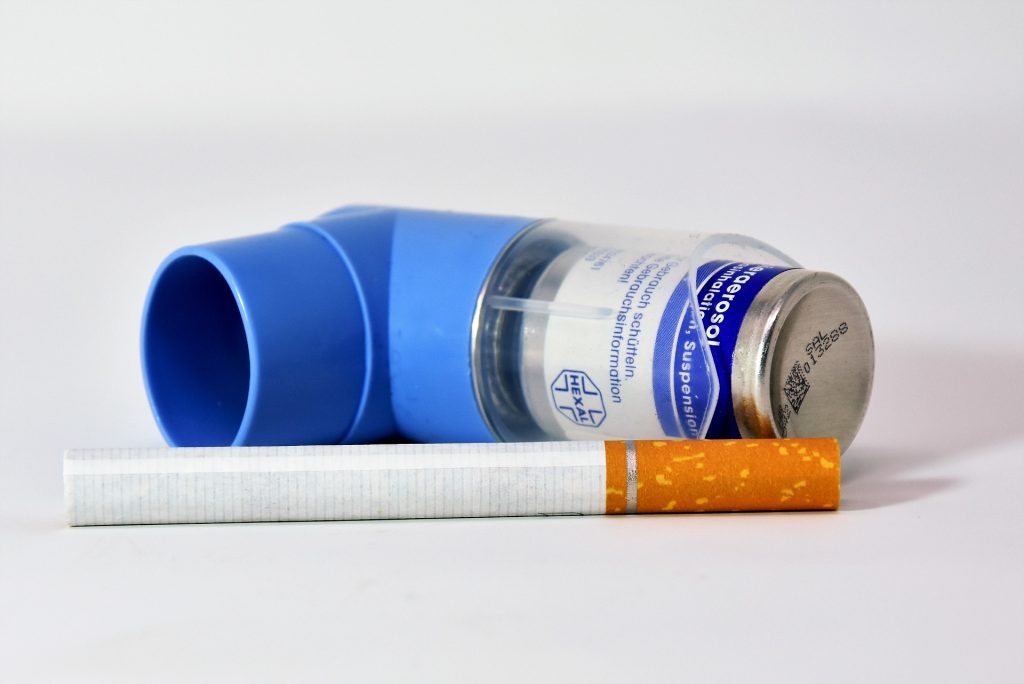
Perhaps the most well-known and immediate impact of smoking is on the respiratory system. A cocktail of harmful chemicals is introduced into the lungs by the inhalation of tobacco smoke, leading to a range of respiratory issues. Chronic obstructive pulmonary disease (COPD), characterized by chronic bronchitis and emphysema, is a common consequence of smoking. The air passages become inflamed, narrowed, and obstructed, making breathing difficult. Persistent coughing, wheezing, and shortness of breath are characteristic symptoms of COPD, significantly diminishing the affected individual’s quality of life.

Lung Cancer:
Smoking is the leading cause of lung cancer, responsible for the majority of cases diagnosed worldwide. The cells lining the lungs are damaged by the carcinogens present in tobacco smoke, leading to the uncontrolled growth of abnormal cells. Lung cancer is notorious for its high mortality rate, often diagnosed at advanced stages when treatment options are limited. The correlation between smoking and lung cancer is so pronounced that the risk of developing the disease is directly proportional to the duration and intensity of smoking.
Cardiovascular System:
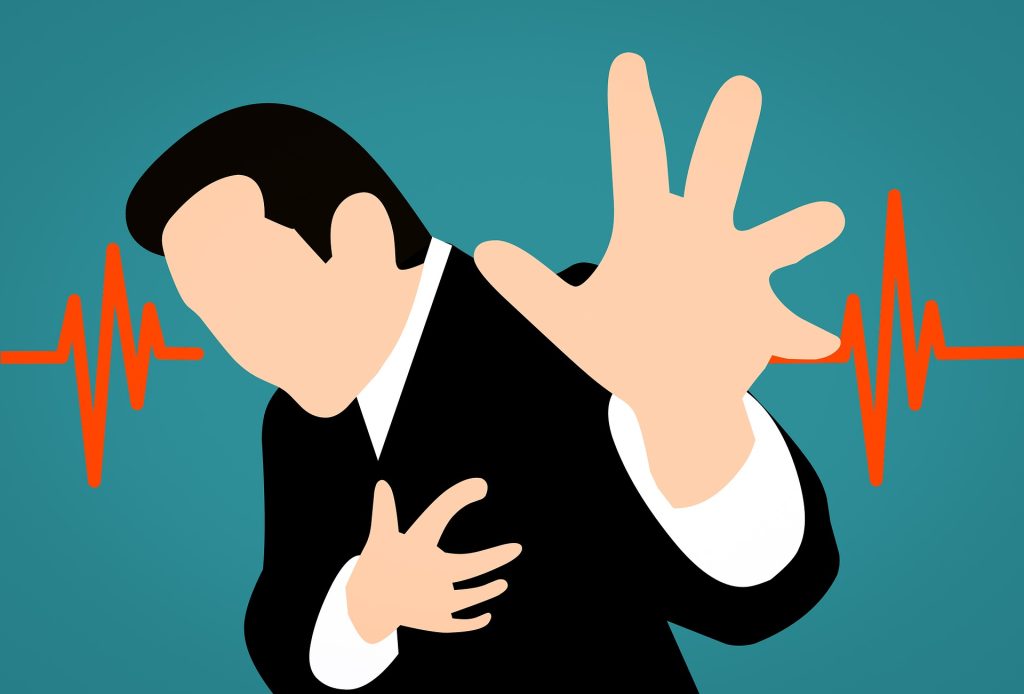
Smoking takes a toll on the cardiovascular system, elevating the risk of heart disease and stroke. Nicotine, a highly addictive component of tobacco, increases heart rate and blood pressure, placing added stress on the heart. The oxygen-carrying capacity of blood is reduced by the carbon monoxide in cigarette smoke, forcing the heart to work harder to meet the body’s demands. Over time, this strain on the cardiovascular system contributes to the development of atherosclerosis, the buildup of plaque in the arteries, narrowing them and impeding blood flow. The combination of these factors significantly heightens the likelihood of heart attacks and strokes among smokers.
Effect on Oral Health:
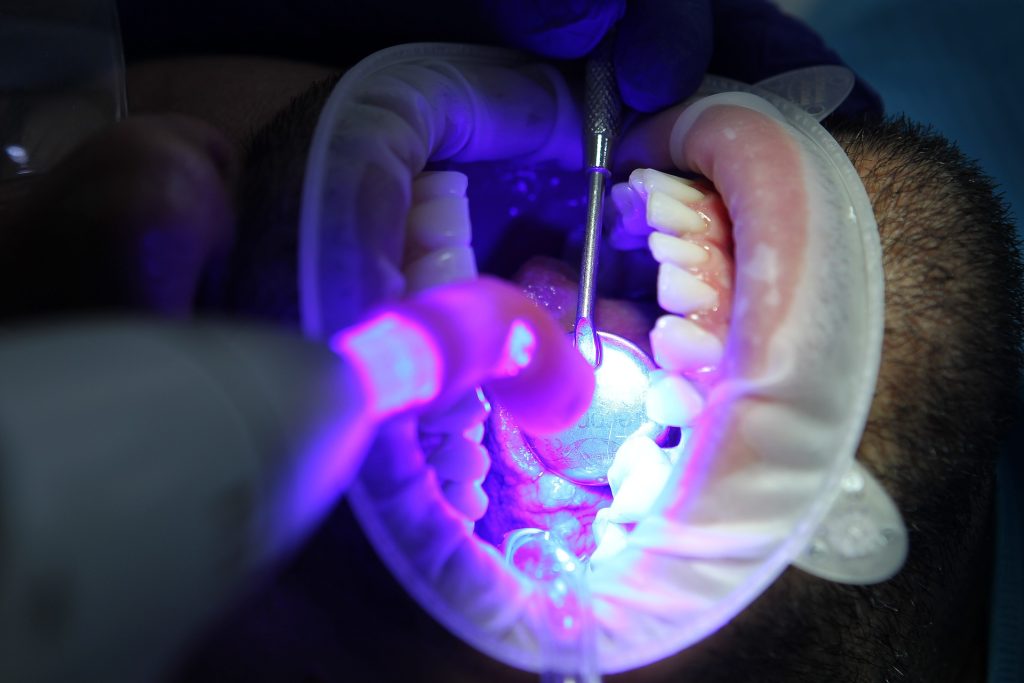
Smoking has detrimental effects on oral health, impacting the teeth and gums. Periodontal disease, characterized by inflammation of the gums and damage to the structures supporting the teeth, is more prevalent among smokers. The body’s ability to combat infections is hindered by the compromised immune response in smokers, making them more susceptible to dental issues. Additionally, smoking stains teeth, causes bad breath, and increases the risk of oral cancers.
Reproductive System:
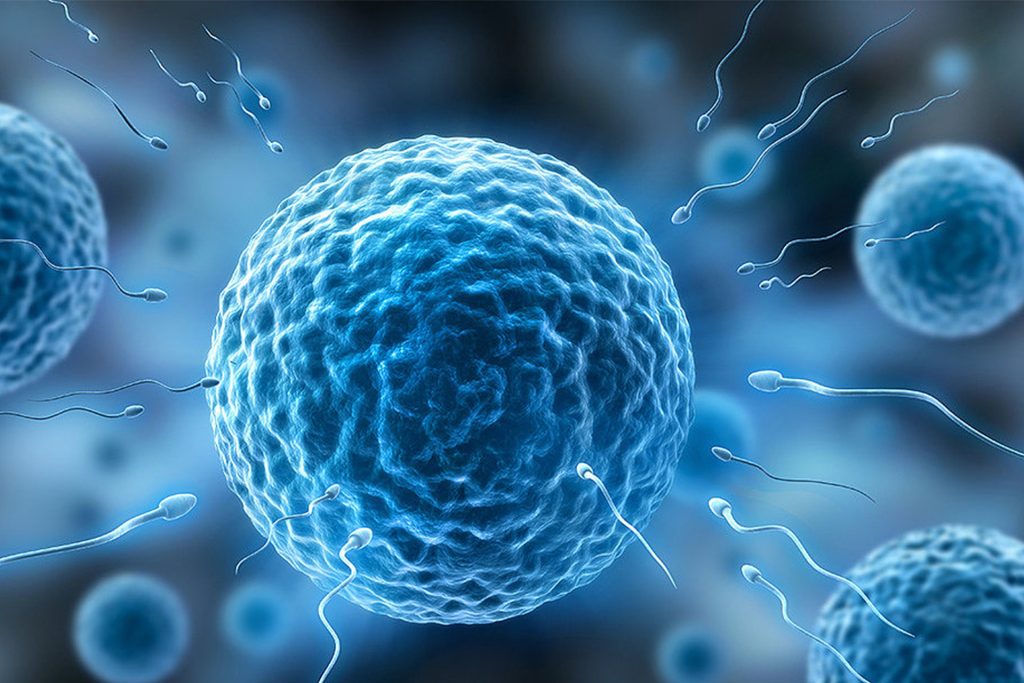
The adverse effects of smoking extend to the reproductive system, impacting both male and female fertility. In women, smoking has been linked to reduced fertility, complications during pregnancy, and an increased risk of preterm birth and low birth weight. In males, smoking can lead to erectile dysfunction and a decline in sperm quality, affecting overall reproductive health. Pregnant women who smoke expose their unborn babies to harmful chemicals, increasing the risk of developmental issues and long-term health problems for the child.
Secondhand Smoke:
The dangers of smoking are not limited to the individuals who actively engage in this habit. Secondhand smoke, also known as passive smoke or environmental tobacco smoke, poses significant risks to non-smokers, especially in confined spaces. Children exposed to secondhand smoke are at a higher risk of respiratory infections, sudden infant death syndrome (SIDS), and impaired lung development. An increased risk of heart disease and lung cancer is faced by non-smoking adults exposed to secondhand smoke face .
Conclusion:
The evidence highlighting the detrimental effects of smoking on the human body is unequivocal. From the respiratory and cardiovascular systems to oral health and reproductive functions, smoking exerts a pervasive influence that extends across various organs and physiological processes. The urgency to address this global health crisis is underscored by the preventable nature of many smoking-related diseases. Comprehensive public health campaigns, smoking cessation programs, and regulatory measures are essential to curbing the prevalence of smoking and mitigating its profound impact on individual and public health. Ultimately, fostering awareness about the immediate and long-term consequences of smoking is crucial in encouraging individuals to make informed choices and prioritize their well-being.