





Aquatic ecosystems, comprising freshwater and marine environments, play a crucial role in sustaining life on Earth. These diverse ecosystems encompass a wide range of habitats, from serene lakes and flowing rivers to the vast expanses of the open ocean. The interconnected web of life within aquatic ecosystems supports an incredible array of species, regulates climate, and provides essential services to humanity. However, these delicate environments face numerous threats, ranging from pollution and habitat destruction to climate change. Understanding the intricacies of aquatic ecosystems is paramount for the conservation and sustainable management of these vital resources.
Biodiversity in Aquatic Ecosystems:
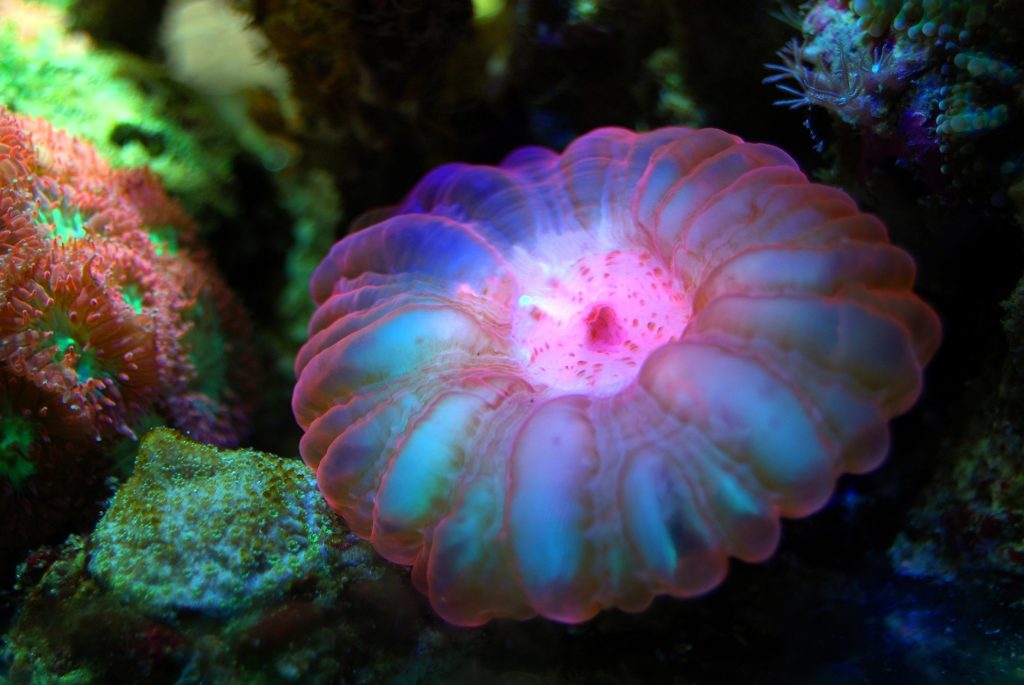
One of the defining features of aquatic ecosystems is their remarkable biodiversity. These environments host an astounding variety of species, from microscopic plankton to majestic whales. The interconnectedness of these species forms intricate food webs, where each organism plays a specific role in maintaining the balance of the ecosystem. For example, phytoplankton, tiny photosynthetic organisms, serve as the foundation of aquatic food chains, providing sustenance for zooplankton, which, in turn, feed larger organisms such as fish. Resilience and stability of aquatic ecosystems are contributed by the complexity and diversity of these interactions.
Importance of Aquatic Ecosystems:
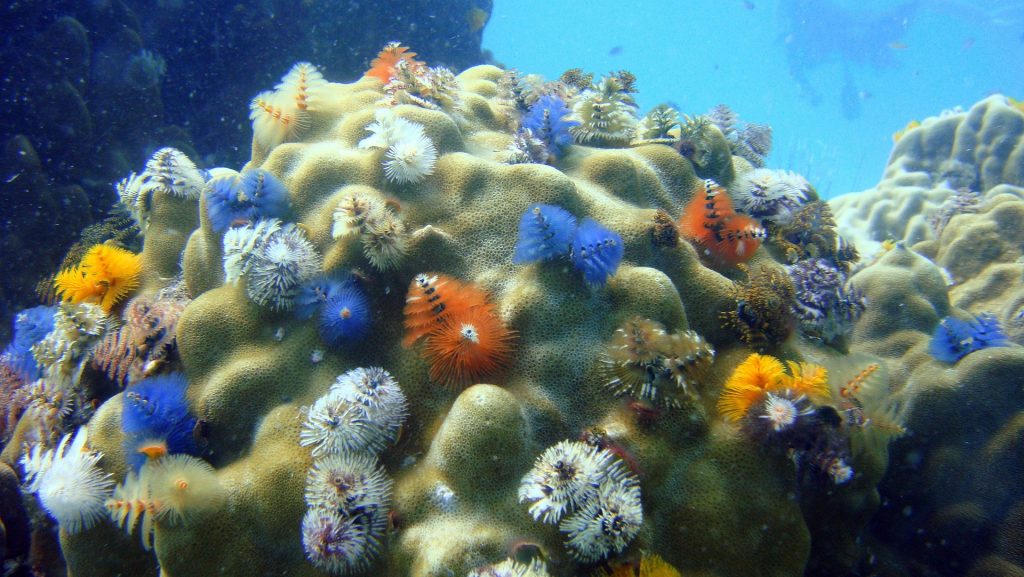
A multitude of ecosystem services that are essential for life on Earth is provided by aquatic ecosystems. One of the most critical services is the regulation of the planet’s climate. Oceans, in particular, act as vast carbon sinks, absorbing and storing carbon dioxide from the atmosphere. Additionally, a vital role is played by aquatic ecosystems in nutrient cycling, water purification, and flood control. The abundance of aquatic resources also supports countless human communities that depend on fisheries for their livelihoods and sustenance.

Challenges Facing Aquatic Ecosystems:
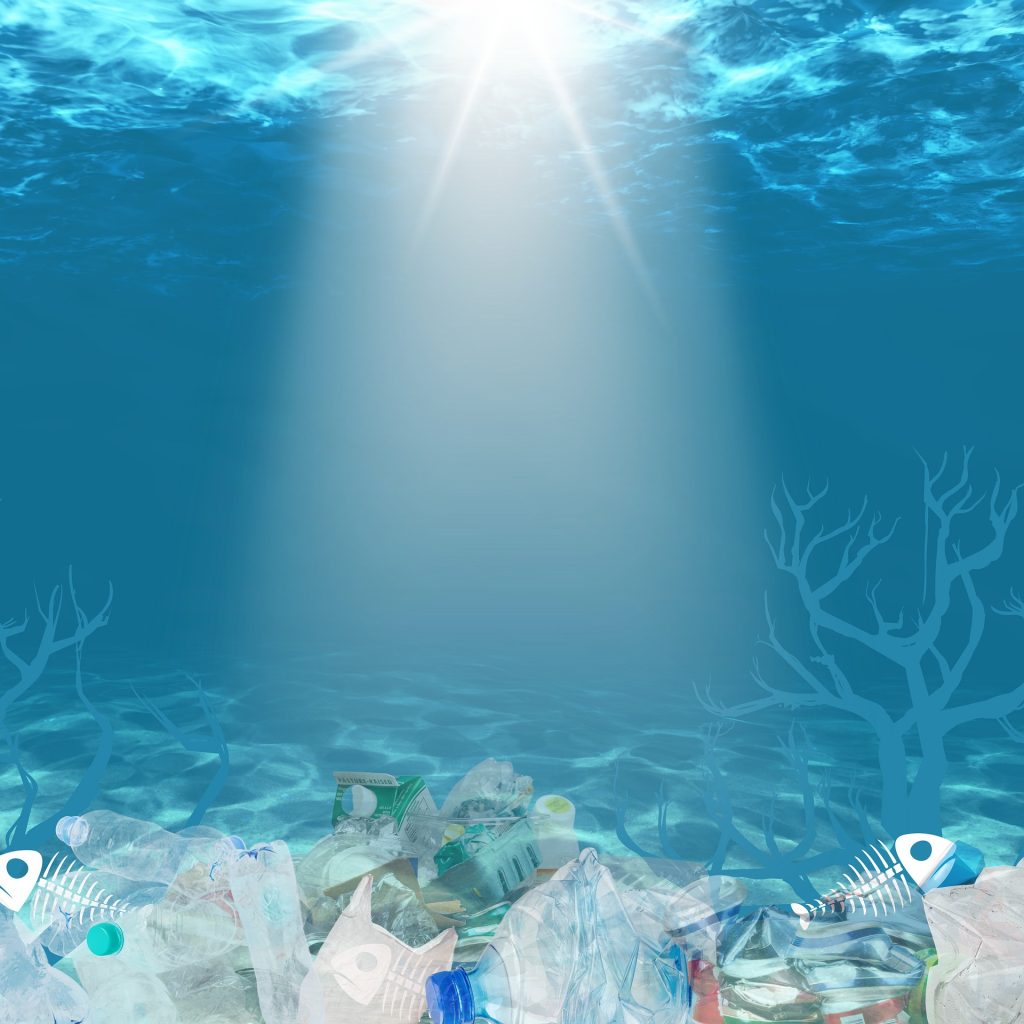
Despite their ecological importance, unprecedented challenges that threaten their health and resilience are faced by aquatic ecosystems. Pollution, both from point sources like industrial discharges and non-point sources like agricultural runoff, poses a significant threat to water quality. Chemical pollutants, plastic waste, and nutrient enrichment can have devastating effects on aquatic life and disrupt the delicate balance of ecosystems. Habitat destruction, often driven by urbanization and infrastructure development, further compounds these issues by altering the physical structure of aquatic environments.
Climate Change and Aquatic Ecosystems:
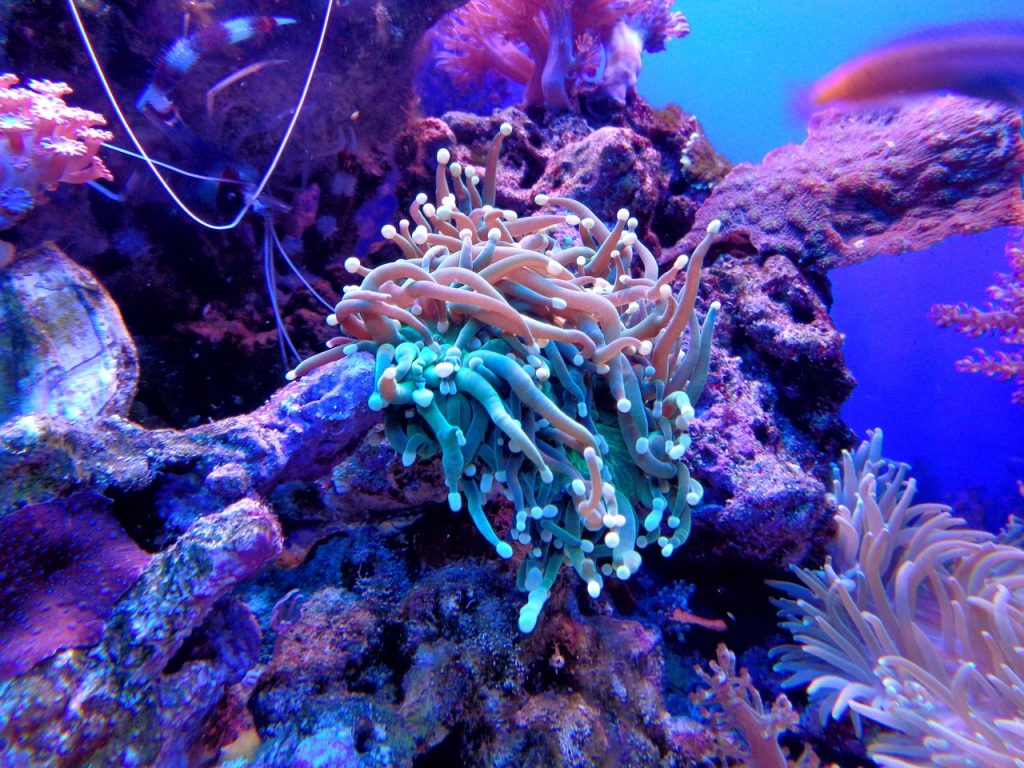
A global threat to aquatic ecosystems is represented by climate change. Rising temperatures, ocean acidification, and changes in precipitation patterns can have profound effects on the distribution and behavior of marine and freshwater species. Coral reefs, often referred to as the rainforests of the sea, are particularly vulnerable to rising temperatures, leading to coral bleaching and the loss of biodiversity. Sea-level rise poses additional challenges to coastal ecosystems and the communities that rely on them, exacerbating the impacts of storms and erosion.
Conservation and Sustainable Management:
Protecting and restoring aquatic ecosystems require coordinated conservation efforts and sustainable management practices. Establishing protected areas, such as marine reserves and freshwater sanctuaries, can provide safe havens for vulnerable species and allow ecosystems to recover from human-induced disturbances. Integrated watershed management approaches that address both land and water use are essential for maintaining water quality and preventing habitat degradation. Additionally, international cooperation is crucial for addressing global issues like overfishing and marine pollution that transcend national boundaries.
Conclusion:
Aquatic ecosystems are dynamic and complex environments that support a vast array of life on Earth. Understanding the delicate balance within these ecosystems is essential for addressing the myriad challenges they face, from pollution and habitat destruction to the impacts of climate change. By recognizing the importance of aquatic ecosystems and adopting sustainable management practices, humanity can work towards preserving these invaluable resources for current and future generations. Only through concerted global efforts can we ensure the health and resilience of aquatic ecosystems, safeguarding the biodiversity and ecosystem services they provide.