



Water transportation has been a vital aspect of human civilization since ancient times, facilitating trade, exploration, and travel across vast bodies of water. From simple rafts to sophisticated modern vessels, the evolution of water transportation has been marked by innovation and adaptation to meet the diverse needs of societies worldwide. In this exploration, we delve into the diverse types of water transportation that have shaped human history and continue to play crucial roles in global commerce and connectivity.
Maritime Shipping:
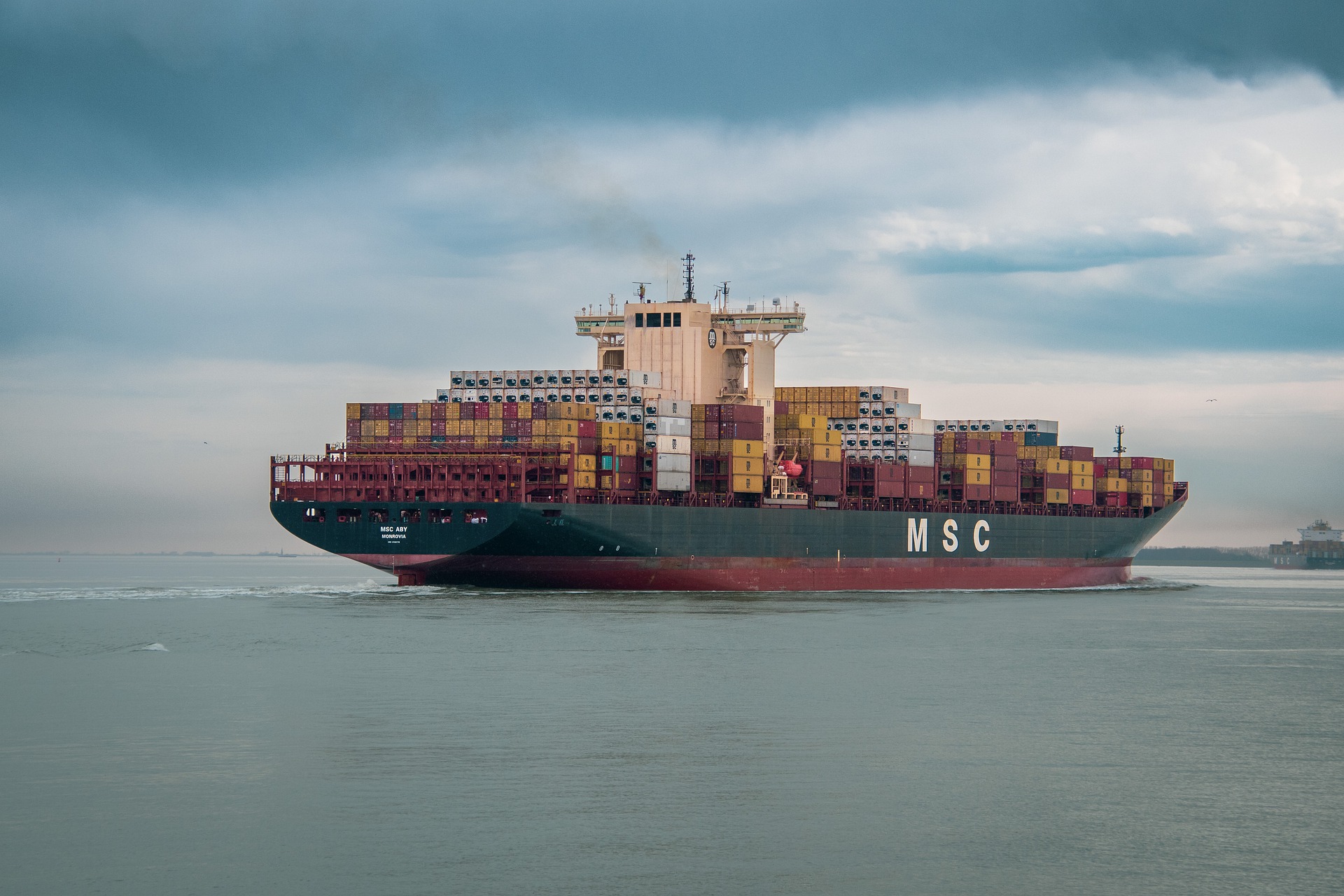
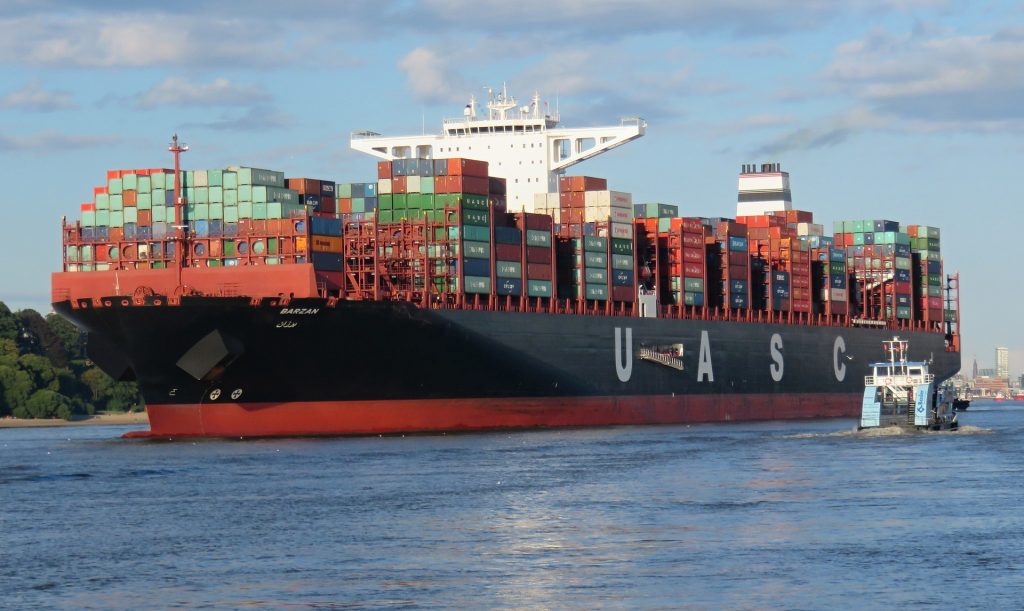
Maritime shipping stands as one of the oldest and most fundamental forms of water transportation. The movement of goods and people via ships across oceans, seas, and other navigable waters is involved in it. These vessels vary greatly in size, ranging from massive container ships to smaller freighters and passenger liners. A pivotal role is played by maritime shipping in global trade, facilitating the movement of goods between continents and nations. It enables the transportation of raw materials, manufactured goods, and commodities essential for sustaining economies worldwide. Moreover, it serves as a cost-effective and efficient means of transporting bulky or heavy cargo over long distances.
Inland Waterways:
Inland waterways encompass rivers, canals, lakes, and other navigable bodies of water within the interior regions of continents. Historically, rivers and canals served as primary transportation arteries, facilitating trade and commerce between distant settlements. Today, modern infrastructure such as locks, dams, and navigational aids enhance the usability of inland waterways for commercial shipping, recreation, and tourism. Barges and riverboats are common vessels used for transporting cargo and passengers along these routes, offering an environmentally friendly alternative to road and rail transportation. A crucial role is played by inland waterways in regional economies, providing cost-effective transportation options for bulk commodities and reducing congestion on roads and highways
Ferries and Water Taxis:
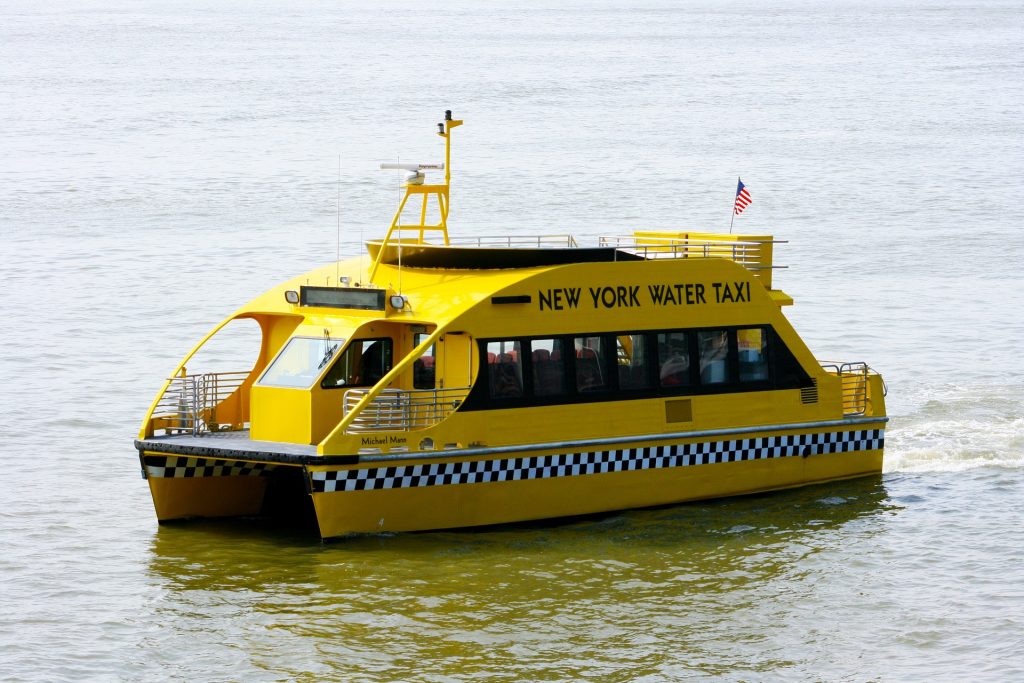
Ferries and water taxis serve as essential modes of transportation in coastal regions, archipelagos, and water-bound cities worldwide. These vessels shuttle passengers and vehicles across short to medium distances, providing vital links between islands, coastal communities, and waterfront destinations. Ferries come in various sizes and configurations, ranging from small passenger ferries to larger vessels capable of carrying cars, trucks, and buses. Water taxis, on the other hand, offer on-demand transportation services, catering to the needs of commuters, tourists, and residents in urban waterfront areas. Both ferries and water taxis contribute to easing traffic congestion, promoting tourism, and enhancing mobility in water-centric locales.
Recreational Boating:
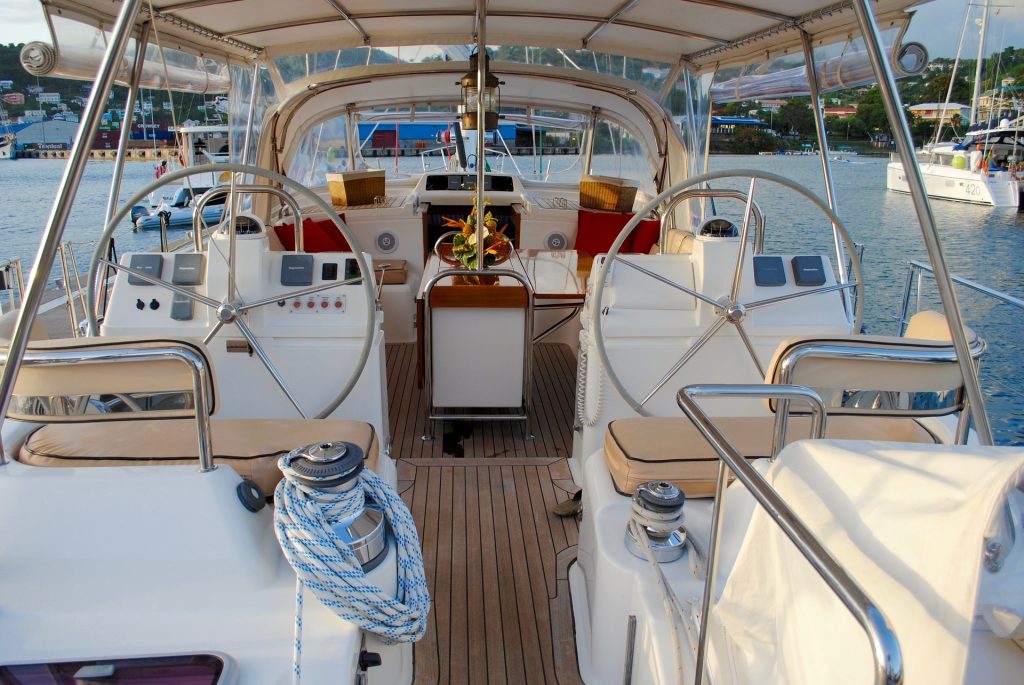
A diverse range of activities, including sailing, yachting, boating, and water sports, pursued for leisure and relaxation, are encompassed by recreational boating. From serene cruises along coastal waters to adrenaline-fueled jet skiing adventures, recreational boating offers enthusiasts myriad ways to experience and explore the aquatic environment. Sailboats, powerboats, yachts, and personal watercraft are popular vessels used for recreational pursuits, ranging from small dinghies to luxurious mega-yachts. Beyond leisure, recreational boating fosters a sense of connection with nature, promotes physical activity, and supports tourism in coastal communities and waterfront destinations
Cruise Ships:
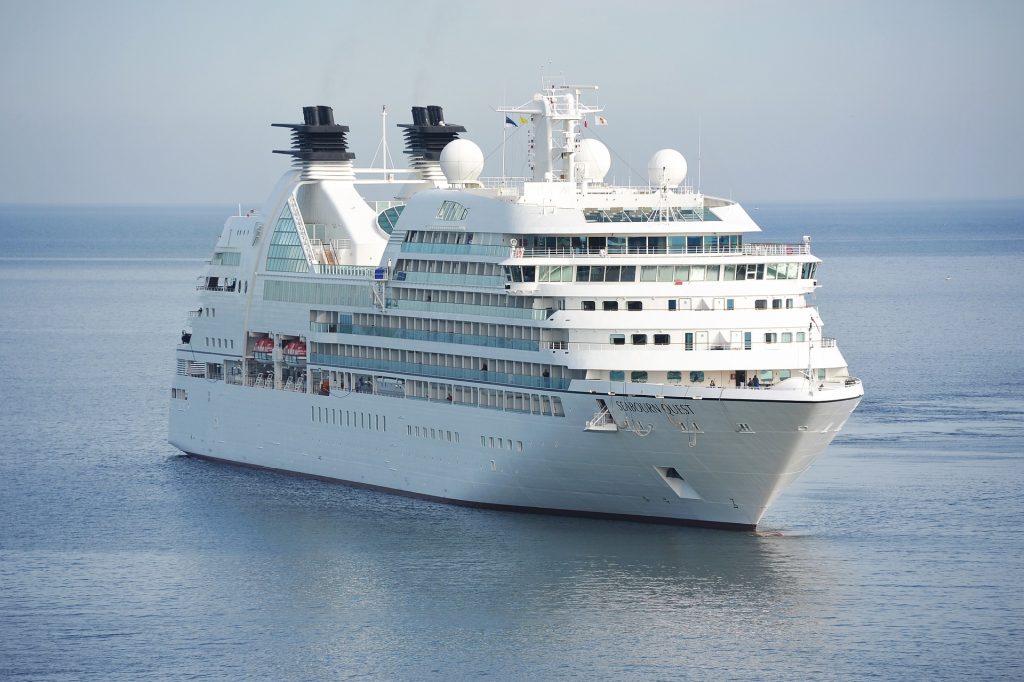
A unique blend of transportation, hospitality, and entertainment is represented by cruise ships which offers passengers the opportunity to embark on voyages to exotic destinations while enjoying onboard amenities and activities. These floating resorts feature luxurious accommodations, gourmet dining, entertainment venues, and recreational facilities, catering to travelers seeking immersive and indulgent experiences at sea. Cruise ships traverse oceans and seas, visiting ports of call around the globe, from tropical islands to historic cities and scenic coastal regions. While primarily catering to tourists, cruise ships also serve as floating hotels during major events, conventions, and festivals, contributing to local economies and tourism infrastructure.
Conclusion:
Water transportation encompasses a diverse array of modes and vessels, each serving distinct purposes and playing integral roles in global commerce, tourism, and recreation. From the vast expanse of maritime shipping to the tranquil allure of recreational boating, water transportation continues to connect people, goods, and cultures across the world’s oceans, rivers, and lakes. As technology advances and environmental concerns shape the future of transportation, the evolution of waterborne mobility will undoubtedly continue, guided by innovation, sustainability, and the enduring human desire to explore and connect across the seas.