





Cycling, a simple yet powerful mode of transportation and recreation, has been gaining increasing popularity in recent years. Beyond its environmental advantages, a myriad of benefits are offered by cycling that contribute to physical, mental, and social well-being. From improving cardiovascular health to fostering a sense of community, the benefits of cycling extend far beyond the mere act of pedaling. This article delves into the multifaceted advantages of cycling and explores how this two-wheeled activity has the potential to transform lives.

Physical Health Benefits:
One of the most evident benefits of cycling lies in its positive impact on physical health. Regular cycling is an effective way to improve cardiovascular fitness, strengthen muscles, and enhance overall endurance. Major muscle groups are engaged in the rhythmic motion of pedaling, promoting strength and flexibility. Moreover, cycling is a low-impact exercise, making it accessible to people of all ages and fitness levels. The risk of chronic conditions such as heart disease, obesity, and diabetes is reduced by cycling, while also promoting weight management. The joint-friendly nature of cycling makes it an ideal option for those seeking an efficient and enjoyable way to stay active.

Mental Well-being:
The connection between physical activity and mental health is well-established, and cycling serves as a powerful catalyst for enhancing mental well-being. Endorphins are released by engaging in regular cycling and thus the body’s natural mood lifters, contributing to reduced stress, anxiety, and depression. The meditative quality of cycling allows individuals to escape the demands of daily life, providing a mental reset and fostering a sense of mindfulness. Whether it’s a leisurely ride through nature or a brisk commute, a unique opportunity is offered by cycling to clear the mind, boost creativity, and improve overall cognitive function.
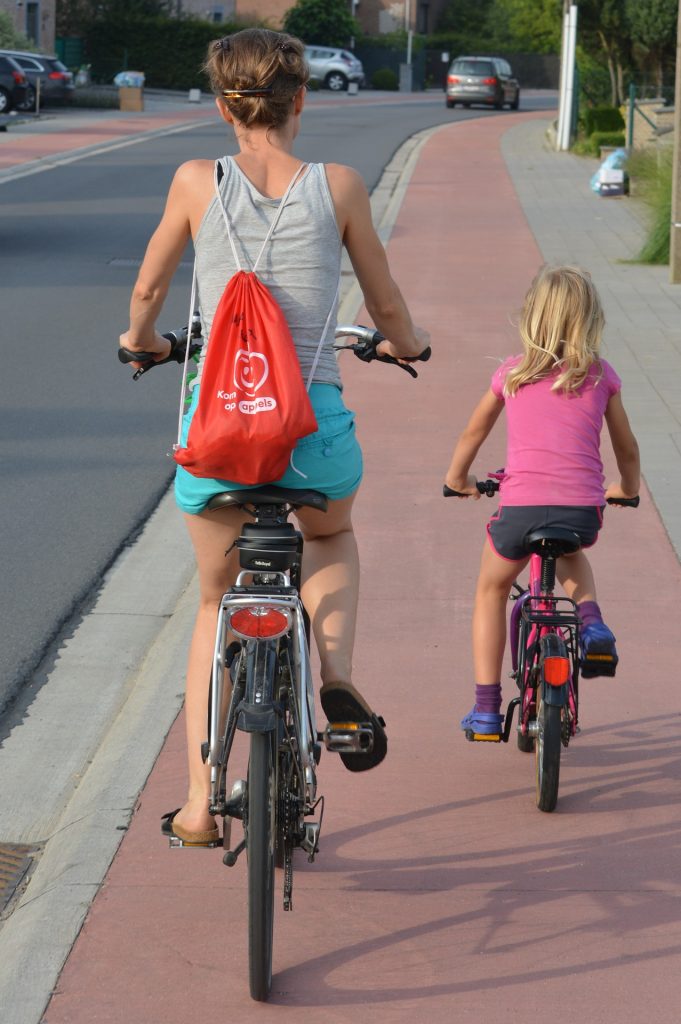
Environmental Sustainability:
Beyond personal health benefits, a pivotal role is played by cycling in promoting environmental sustainability. As a zero-emission mode of transportation, cycling significantly reduces carbon footprint and air pollution. Choosing a bicycle over motorized vehicles helps decrease reliance on fossil fuels and contributes to the fight against climate change. Encouraging cycling infrastructure and adopting cycling as a primary mode of transportation in urban areas can lead to decreased traffic congestion and improved air quality, creating healthier and more sustainable communities.

Social Connection and Community Building:
Cycling has the remarkable ability to bring people together, fostering a sense of community and social connection. Whether through organized group rides, cycling clubs, or casual meet-ups, cyclists often form bonds with like-minded individuals who share a passion for this activity. This sense of camaraderie not only enhances the overall cycling experience but also contributes to a broader community-building effect. Communities that prioritize cycling infrastructure and events often experience increased social cohesion and a greater sense of local pride.
Economic Impact:
The economic benefits of cycling extend beyond the personal savings associated with reduced transportation costs. Investing in cycling infrastructure and promoting cycling-friendly policies can stimulate economic growth at both local and national levels. The cycling industry itself generates employment opportunities in manufacturing, sales, and maintenance of bicycles and related accessories. Additionally, the reduced demand for parking spaces and decreased traffic congestion can lead to cost savings for municipalities, making cycling an economically viable and sustainable mode of transportation.
Empowerment and Independence:
Cycling empowers individuals by providing a sense of independence and autonomy. Whether it’s commuting to work, running errands, or embarking on a recreational journey, cyclists experience a level of freedom that is liberating. The simplicity of a bicycle, coupled with its efficiency, allows individuals to navigate their surroundings with ease. This sense of empowerment is particularly significant in urban areas, where cyclists can navigate through traffic and reach their destinations faster than motorized vehicles, contributing to a more efficient and sustainable urban transport system.
Conclusion:
In conclusion, the benefits of cycling extend far beyond its physical aspects, encompassing mental, social, and environmental dimensions. The transformative power of cycling lies in its ability to positively impact individual well-being while contributing to broader societal and environmental goals. As more individuals embrace cycling as a part of their lifestyle, the ripple effects of this two-wheeled activity have the potential to create healthier, more connected, and sustainable communities. Whether for leisure, transportation, or sport, the simple act of pedaling a bicycle has the power to bring about profound positive changes in our lives and the world we inhabit.