




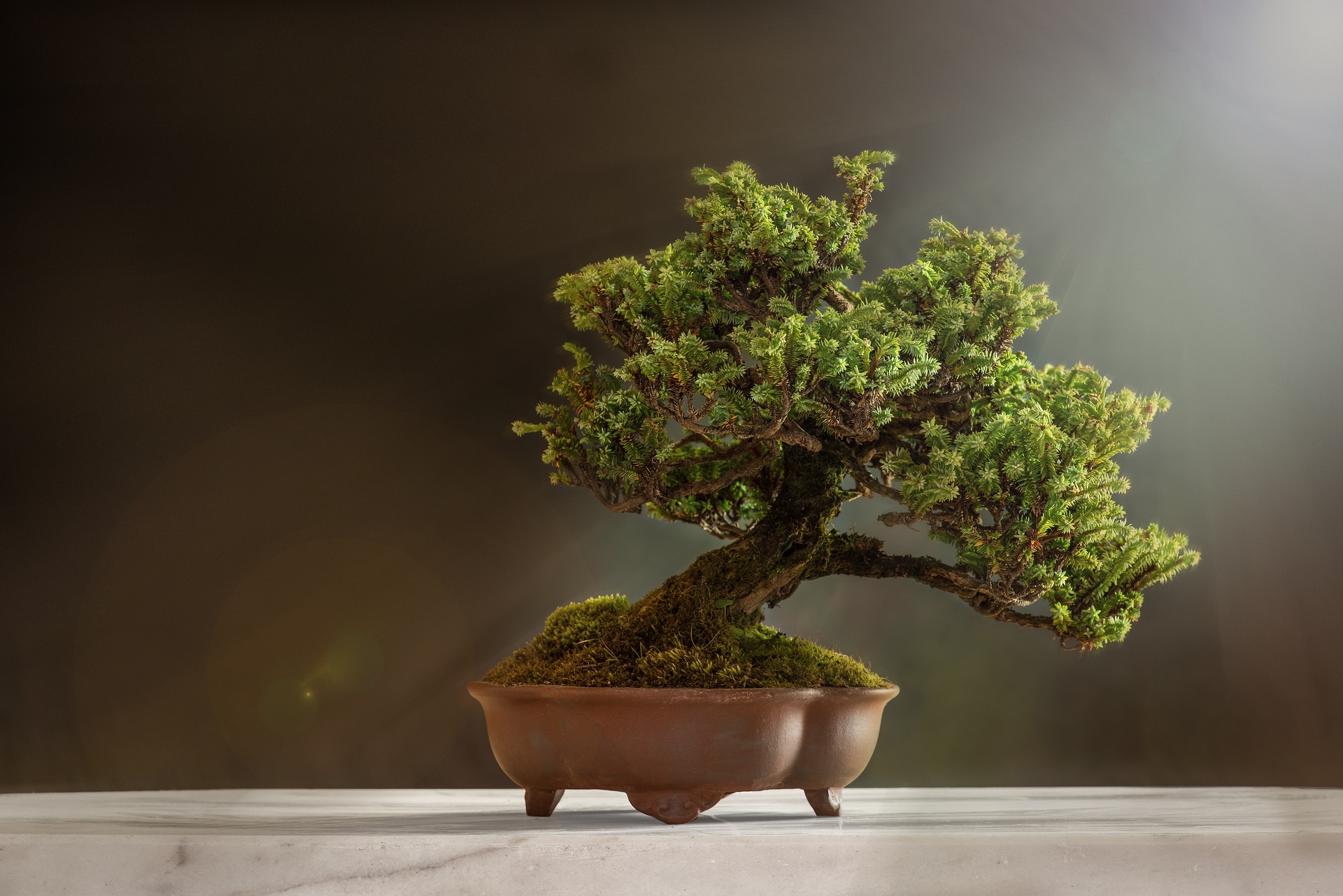
Bonsai, a Japanese term that translates to “tray planting,” has captivated the hearts of nature enthusiasts and artists alike for centuries. Originating in China and later refined in Japan, the art of cultivating bonsai trees involves shaping and nurturing miniature trees to create living works of art. This unique horticultural practice not only requires a deep understanding of horticulture but also demands a keen sense of aesthetics and patience. In this exploration, we delve into the fascinating world of bonsai, examining its history, techniques, and the profound cultural significance it holds.
Historical Roots of Bonsai:
The roots of bonsai can be traced back to ancient China, where scholars and artists cultivated miniaturized trees in pots as a representation of the larger natural world. These early iterations were known as “penjing,” emphasizing the balance and harmony found in nature. As the practice evolved, it found its way to Japan, where the term “bonsai” was coined. The Japanese embraced bonsai not merely as an art form but also as a means of expressing spiritual and philosophical beliefs, integrating it into traditional tea ceremonies and garden designs.
The Artistic Essence of Bonsai:
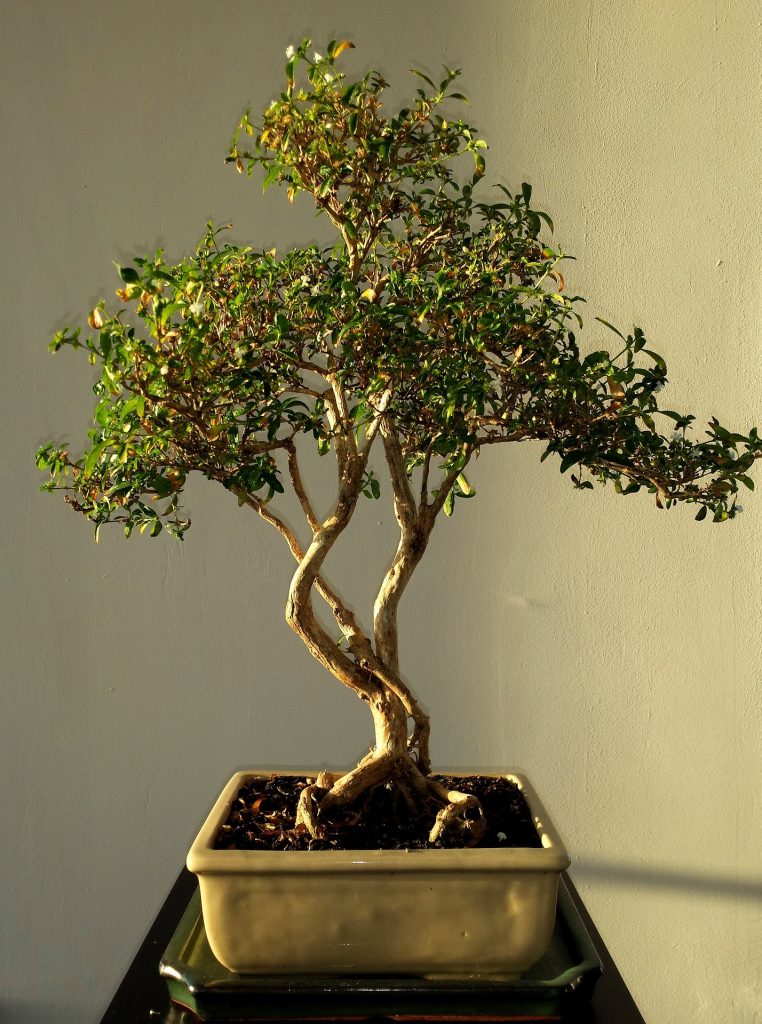
Bonsai transcends the boundaries between horticulture and art, requiring a delicate balance between the technical aspects of tree care and the artistic vision of the cultivator. Artists who practice the art of bonsai must consider various elements, such as the tree’s species, shape, size, and the container in which it grows. The creation of a bonsai is a meticulous process, involving the use of wiring and pruning techniques to shape the tree over time. The goal is to mimic the appearance of a mature, full-sized tree in a fraction of its size, capturing the essence of nature in a miniature form.
Cultural Significance:
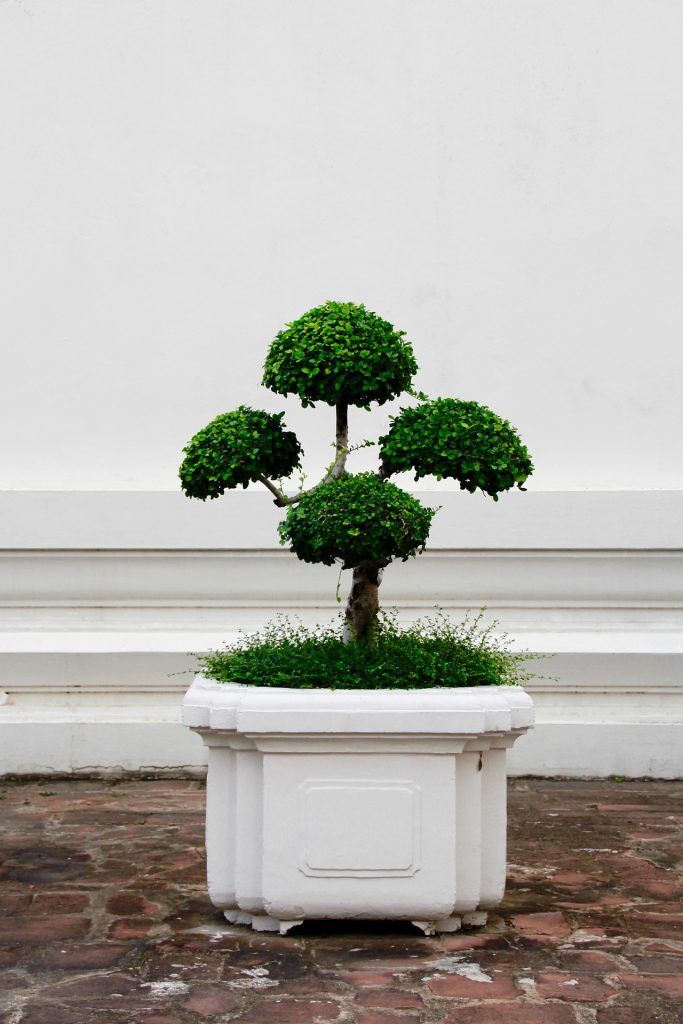
Beyond its aesthetic appeal, deep cultural significance is carried by bonsai, particularly in Japanese culture. The practice is rooted in Zen Buddhism, emphasizing harmony, balance, and a connection to the natural world. Bonsai trees are often seen as symbols of patience, resilience, and the cycle of life. In Japanese philosophy, the act of tending to a bonsai is akin to a meditative practice, fostering a sense of mindfulness and appreciation for the present moment.
Techniques and Tools:
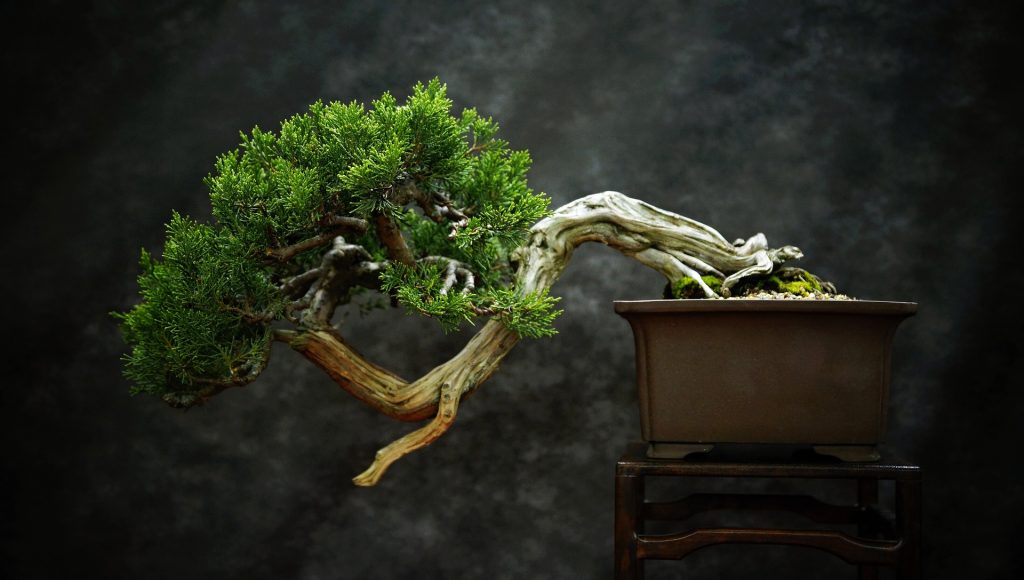
A nuanced understanding of horticultural techniques is required in cultivating a bonsai. Pruning, a fundamental practice in bonsai, involves carefully removing branches and leaves to shape the tree’s form and encourage new growth. Wiring is another technique used to guide the branches into desired positions, allowing the artist to sculpt the tree over time. Bonsai practitioners also pay close attention to the choice of soil, pot selection, and watering schedules, all of which contribute to the overall health and appearance of the miniature tree. Specialized tools, such as concave cutters and branch benders, are employed to execute these precise tasks.
Patience and Long-Term Commitment:
Bonsai is not a pursuit for the impatient. Years, if not decades, are required for growing and maintaining a healthy, aesthetically pleasing bonsai tree, of commitment. As the tree evolves, so too does the artist’s vision, creating an evolving masterpiece that reflects the passage of time. This aspect of bonsai cultivation is integral to its appeal, as both the tree and its caretaker undergo a transformative journey together.
Conclusion:
In the intricate world of bonsai, the convergence of art and science results in living masterpieces that encapsulate the beauty of nature in miniature form. With deep historical roots and cultural significance, bonsai represents more than just a gardening hobby; it embodies a harmonious blend of philosophy, artistry, and patience. As enthusiasts continue to explore the delicate balance required for successful bonsai cultivation, the art form persists as a timeless expression of our connection to the natural world.