





In the pursuit of a sun-kissed glow, many individuals expose their skin to the harmful effects of ultraviolet (UV) radiation. While a tan may be perceived as a symbol of health and beauty, the reality is that suntan damage poses serious risks to the skin. This article explores the intricacies of sun damage, shedding light on the physiological changes that occur beneath the surface and the long-term consequences that can result from prolonged exposure to the sun.
Understanding Suntan Damage:
The process of suntanning involves the skin’s response to UV radiation, specifically UVA and UVB rays. When the skin is exposed to these rays, it triggers the production of melanin, the pigment responsible for skin color. While melanin provides some degree of protection by absorbing and dissipating UV radiation, excessive sun exposure overwhelms this defense mechanism. This overload of UV radiation can lead to a range of adverse effects on the skin.
Immediate Consequences:
Suntan damage is not merely cosmetic; it manifests in immediate and visible ways. Sunburn, characterized by redness, pain, and peeling, is a common short-term consequence of overexposure to UV radiation. However, even in the absence of sunburn, the skin changes at the cellular level. The DNA in skin cells could be damaged by UV radiation, potentially leading to mutations that contribute to skin aging and increase the risk of skin cancer.
Long-term Impact on Skin Health:
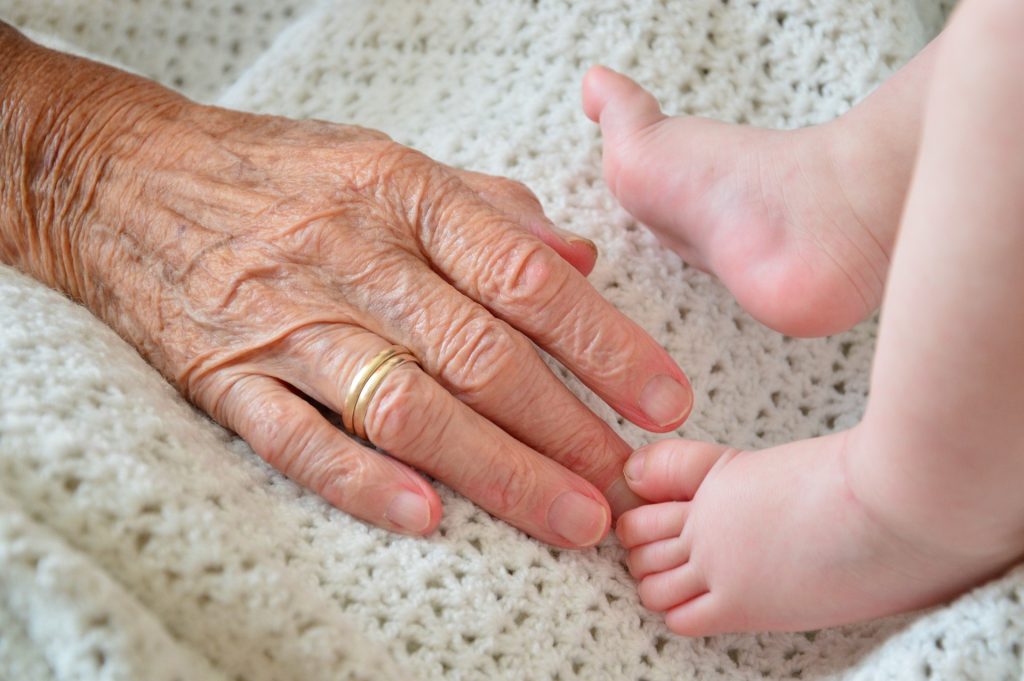
Beyond the immediate effects, irreversible damage to the skin could be resulted by prolonged exposure to the sun. Premature aging, also known as photoaging, is a common consequence of chronic sun exposure. Wrinkles, fine lines, and loss of skin elasticity are accelerated, giving the skin a weathered and aged appearance. Moreover, the skin’s ability to repair itself could compromised by prolonged exposure to UV radiation, exacerbating the aging process.
Skin Cancer Risk:
One of the most alarming implications of suntan damage is the heightened risk of skin cancer. UV radiation is a known carcinogen, and the likelihood of developing skin cancers such as basal cell carcinoma, squamous cell carcinoma, and malignant melanoma is increased by its overexposure. The damage incurred by the DNA in skin cells during sun exposure can lead to the uncontrolled growth of abnormal cells, forming cancerous lesions.
Protective Measures:
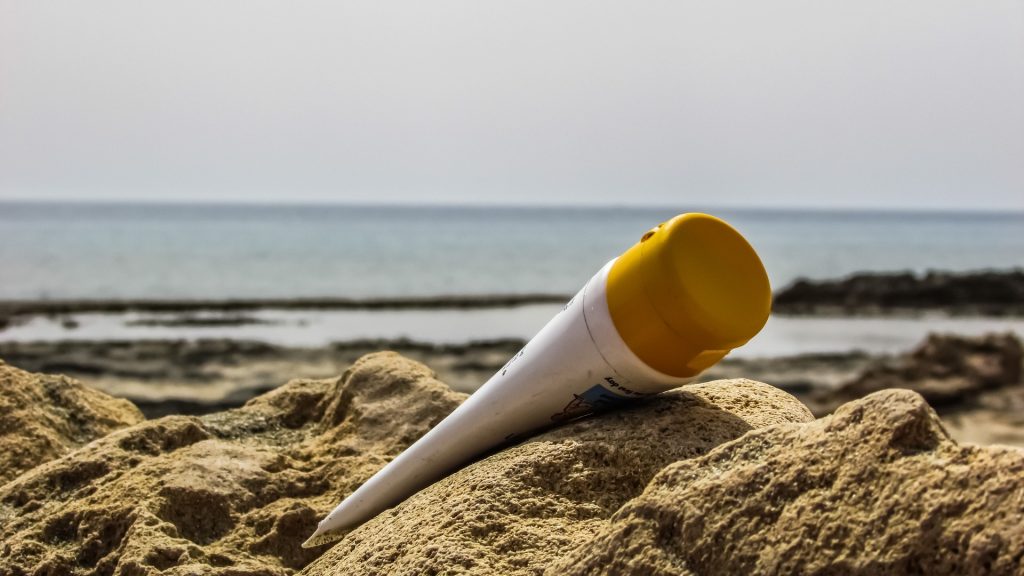
The importance of adopting effective sun protection measures is emphasized by recognizing the potential harm caused by suntan damage. Sunscreen with a high SPF, protective clothing, and seeking shade during peak sunlight hours are essential practices to shield the skin from harmful UV rays. Additionally, cultivating sun-smart habits, such as wearing wide-brimmed hats and sunglasses, contributes to a comprehensive approach to minimizing sun damage.
The Role of Environmental Factors:
While personal choices in sun protection play a crucial role, it is essential to consider broader environmental factors contributing to suntan damage. the harmful effects of UV radiation can be intensified by depletion of the ozone layer, pollution, and climate change. Understanding these external influences underscores the need for collective efforts in environmental conservation to mitigate the impact on skin health.
Skin Care and Restoration:
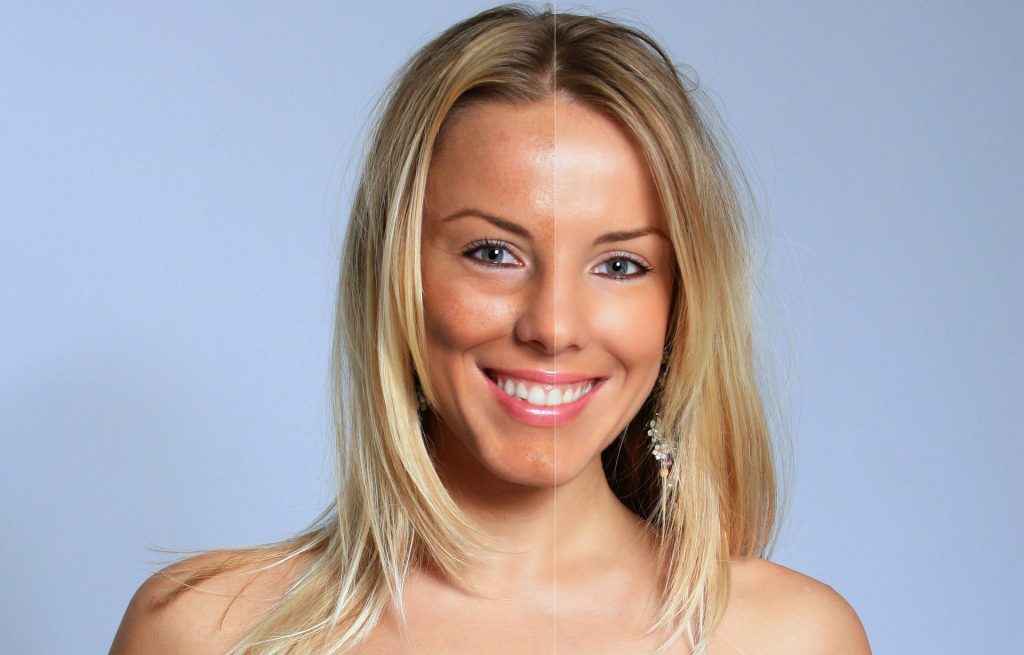
As awareness grows regarding the detrimental effects of sun exposure, the skincare industry has responded with products designed to repair and rejuvenate sun-damaged skin. Ingredients such as antioxidants, retinoids, and hyaluronic acid are incorporated into formulations to combat the signs of photoaging and promote skin health. However, prevention remains the most effective strategy, emphasizing the importance of adopting sun-safe practices from an early age.
Conclusion:
Suntan damage extends far beyond the surface, permeating the cellular structure of the skin and posing significant health risks. The pursuit of a sun-kissed glow should be tempered with a conscientious commitment to sun protection. By understanding the immediate and long-term consequences of sun exposure, individuals can make informed choices to safeguard their skin and reduce the risk of irreversible damage. The path to radiant skin lies not in basking in the sun without restraint, but in embracing sun-safe practices that prioritize both aesthetic preferences and long-term skin health.