


Paddy cultivation, also known as rice farming, has been an integral part of human civilization for thousands of years. Originating in Asia, this practice has not only sustained populations but has also shaped cultures and economies. In this discourse, we delve into the multifaceted world of paddy cultivation, exploring its historical significance, agricultural practices, environmental impact, and the evolving landscape of modern rice farming.
Historical Significance:
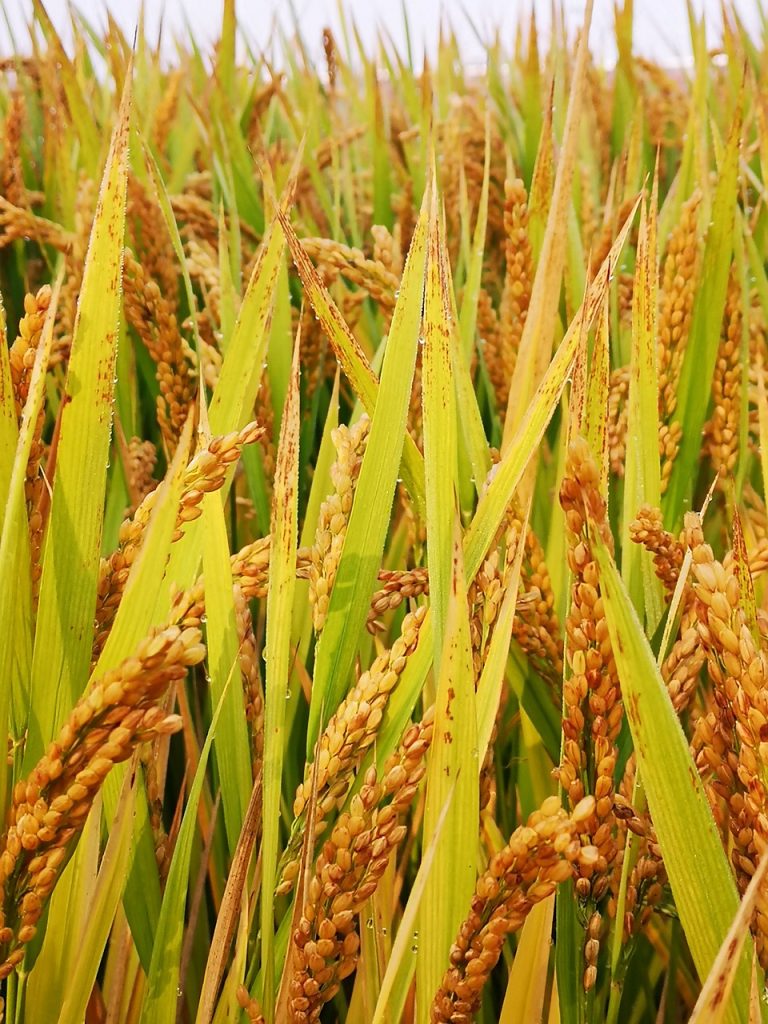
Paddy cultivation has a rich history, dating back over 6,000 years to the Yangtze River valley in China. From its humble beginnings, the practice spread across Asia and eventually reached Europe and the Americas. The cultural, social, and economic significance of rice cultivation is evident in the ancient civilizations of China, India, and Southeast Asia, where rice was not just a staple food but also played a crucial role in religious ceremonies and societal rituals.
Agricultural Practices:
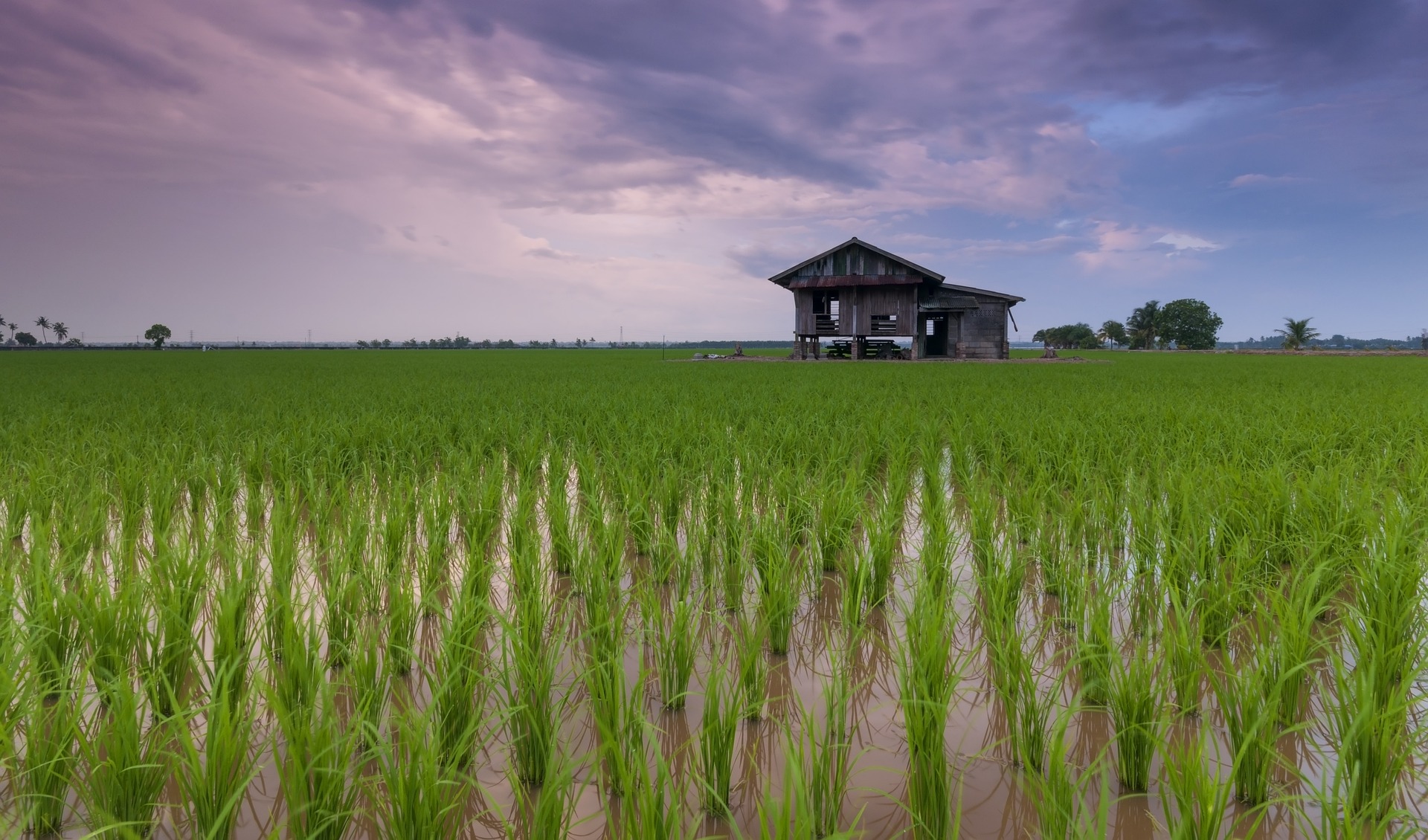
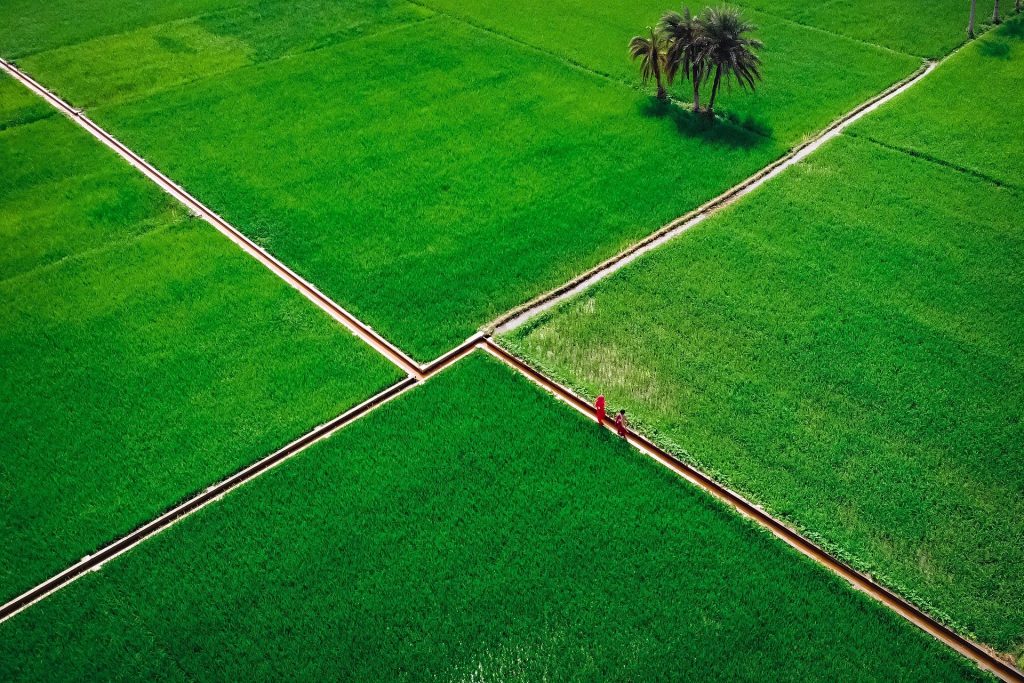
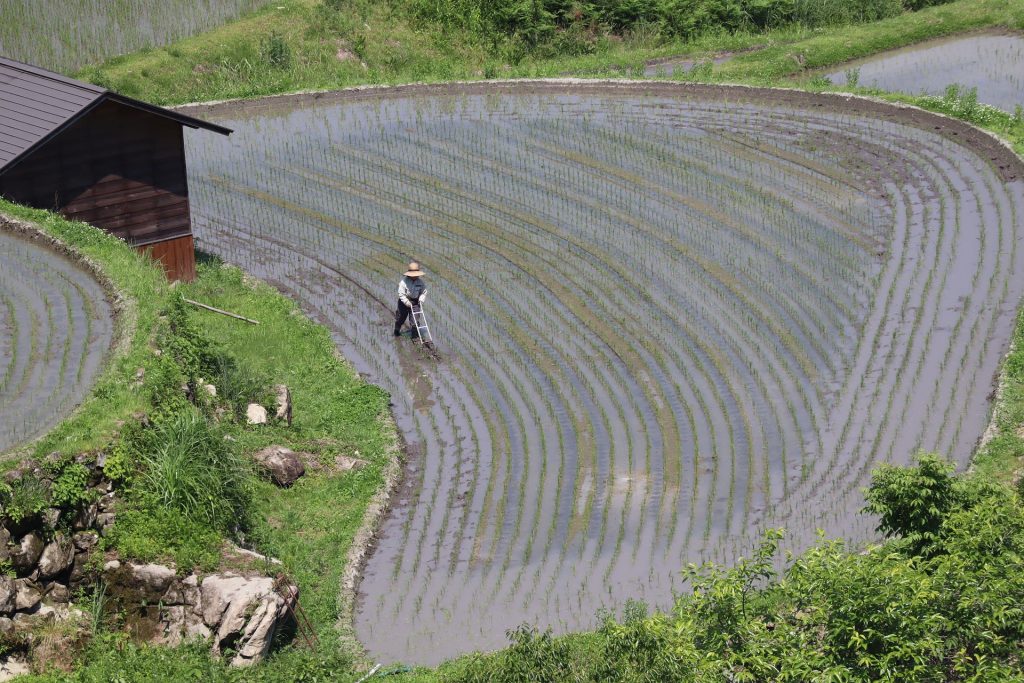
Paddy cultivation is a meticulous process that involves several stages, from land preparation to harvesting. The first step is land preparation, which includes plowing and leveling the fields to create a suitable environment for the rice plants. Once the land is prepared, seeds are sown in nurseries, and seedlings are later transplanted to the main field. The flooded fields not only provide a conducive environment for rice growth but also help control weeds and pests.
A critical aspect of paddy cultivation is water management. Creation of a submerged environment for the rice plants by flooding the fields with water is involved in traditional methods. However, with advancements in technology, modern rice farming practices include more efficient water management systems, such as drip irrigation and precision farming, minimizing water usage and environmental impact.
Varieties of rice, including long-grain, short-grain, and aromatic varieties, are cultivated globally, each with its unique characteristics and uses. The use of fertilizers and pesticides are also involved in paddy cultivation to enhance crop yield and protect against pests and diseases. Sustainable farming practices, such as organic farming and integrated pest management, are gaining popularity to minimize the environmental impact of conventional agricultural methods.
Environmental Impact:
While paddy cultivation has sustained populations for centuries, it has also raised environmental concerns, particularly in the context of water usage and methane emissions. Traditional flooding practices contribute to the emission of methane, a potent greenhouse gas, from the waterlogged soil. To address this issue, researchers are exploring alternative methods such as intermittent flooding and aerobic rice cultivation, which can significantly reduce methane emissions without compromising crop yield.
Water scarcity is another challenge associated with paddy cultivation. As global water resources come under increasing pressure, there is a growing need for water-efficient rice farming practices. The adoption of precision irrigation systems, rainwater harvesting, and the development of drought-resistant rice varieties are crucial steps toward sustainable water management in paddy cultivation.
In addition to environmental concerns, issues related to soil health and biodiversity has been raised by the use of agrochemicals in conventional paddy cultivation. Sustainable farming practices, including organic farming and agroecological approaches, aim to minimize the use of synthetic inputs, promoting a more balanced and resilient ecosystem.
Modern Innovations and Challenges:
The landscape of paddy cultivation is continually evolving, driven by technological advancements and the need for sustainable agriculture. Precision farming, digital agriculture, and the use of drones and sensors are transforming the way farmers manage their crops. These innovations not only optimize resource utilization but also enable data-driven decision-making, improving overall efficiency and productivity.
However, the adoption of modern technologies in paddy cultivation is not without challenges. Smallholder farmers, who constitute a significant portion of the global rice farming community, may face barriers such as limited access to technology, financial constraints, and a lack of technical know-how. Bridging this technological divide is crucial for ensuring that the benefits of innovation reach all segments of the farming community.
Conclusion:
Paddy cultivation stands at the crossroads of tradition and innovation, with a rich history and a promising future. As we navigate the challenges of environmental sustainability, water management, and technological inclusion, it is essential to strike a balance that ensures food security while minimizing the ecological footprint of rice farming. With a concerted effort to adopt sustainable practices, embrace technological advancements, and promote inclusive policies, we can sow the seeds of a resilient and thriving future for paddy cultivation.