



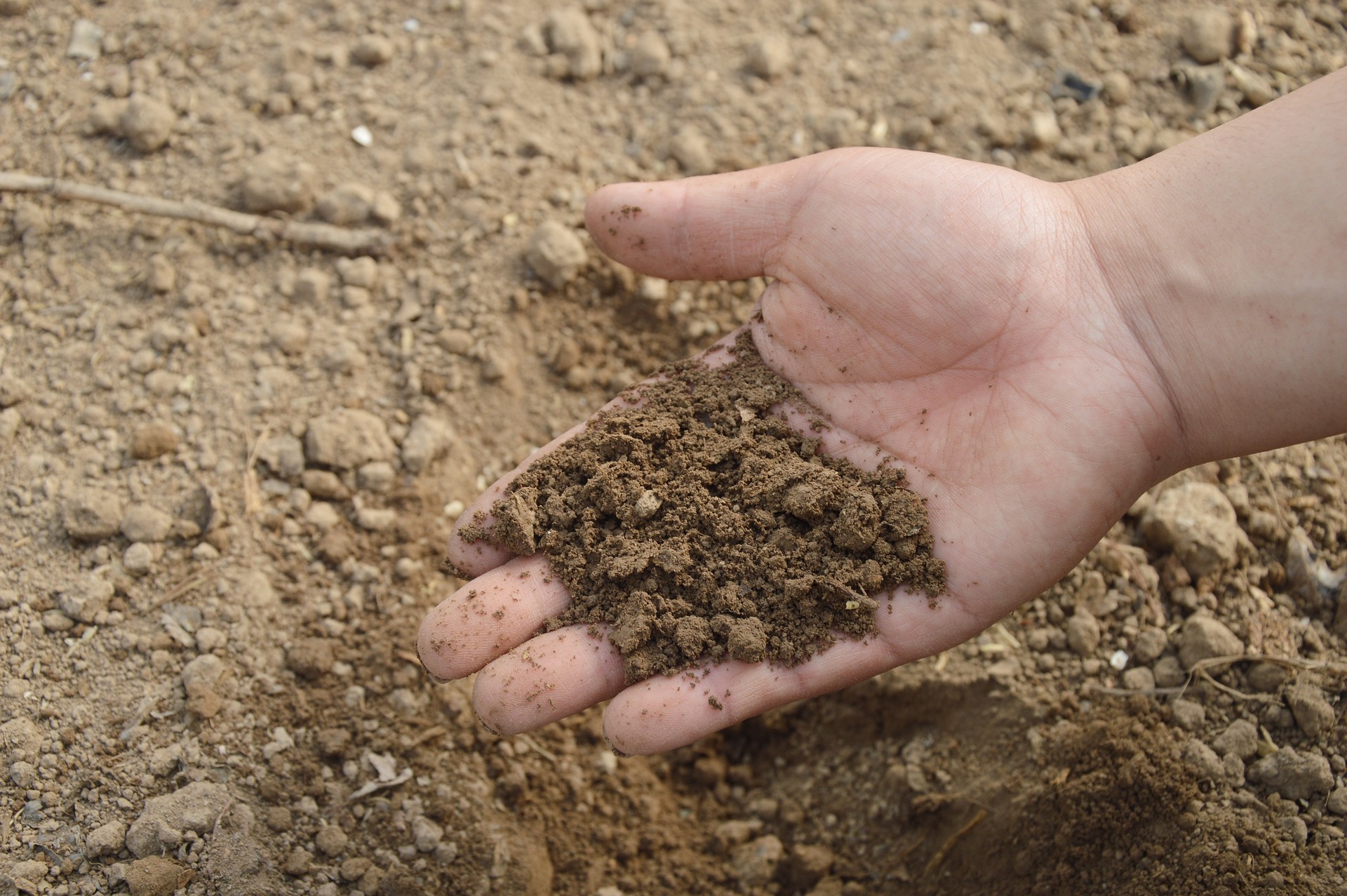
Soil, the precious and often overlooked skin of our planet, plays a pivotal role in sustaining life. As the medium through which plants grow and ecosystems thrive, soil is a complex and dynamic entity with diverse characteristics. The study of soil science reveals a rich tapestry of soil types, each with its unique composition, properties, and ecological significance. In this exploration, we delve into the various types of soil, shedding light on their distinct features and importance in supporting life on Earth.
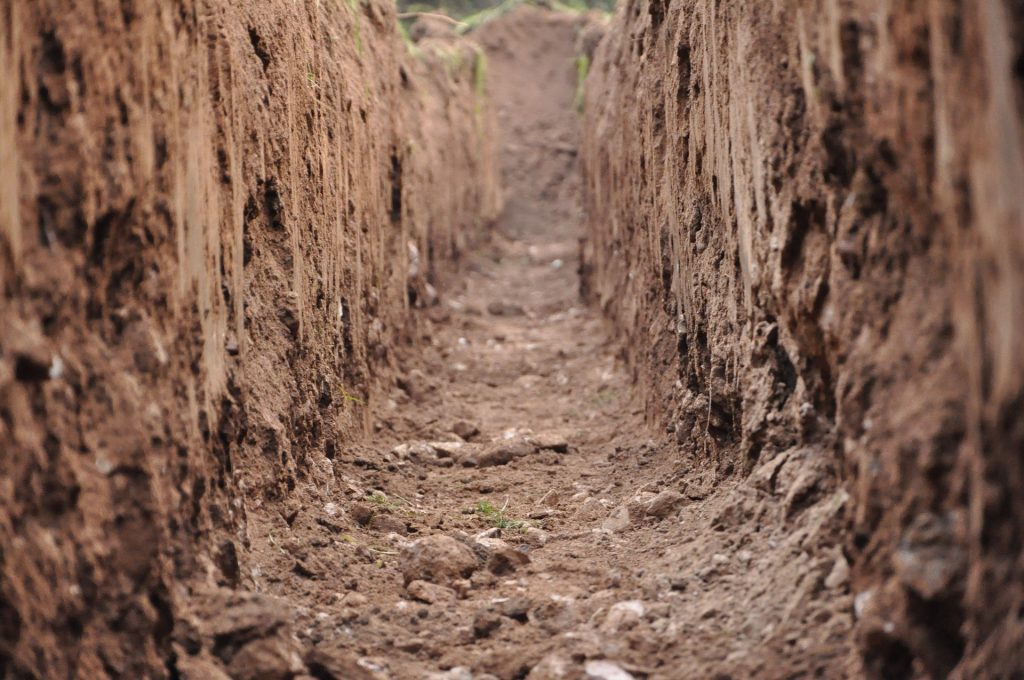
- Clay Soil:
Clay soil is characterized by its fine particles, giving it a smooth and sticky texture when moist. These particles are closely packed, leaving minimal space for air and water movement. The high nutrient retention capacity of clay soils makes them fertile. However, their poor drainage and tendency to compact easily pose challenges for plant growth. Despite these drawbacks, with proper management, clay soils can be a valuable resource for agriculture.
- Silt Soil:
Silt soil consists of medium-sized particles that offer a balance between the fine particles of clay and the coarser particles of sand. This type of soil has good fertility and drainage properties. Silt soils can be found in riverbeds and areas with periodic flooding, as the particles are transported by water. Farmers often appreciate silt soils for their ability to retain moisture and nutrients.
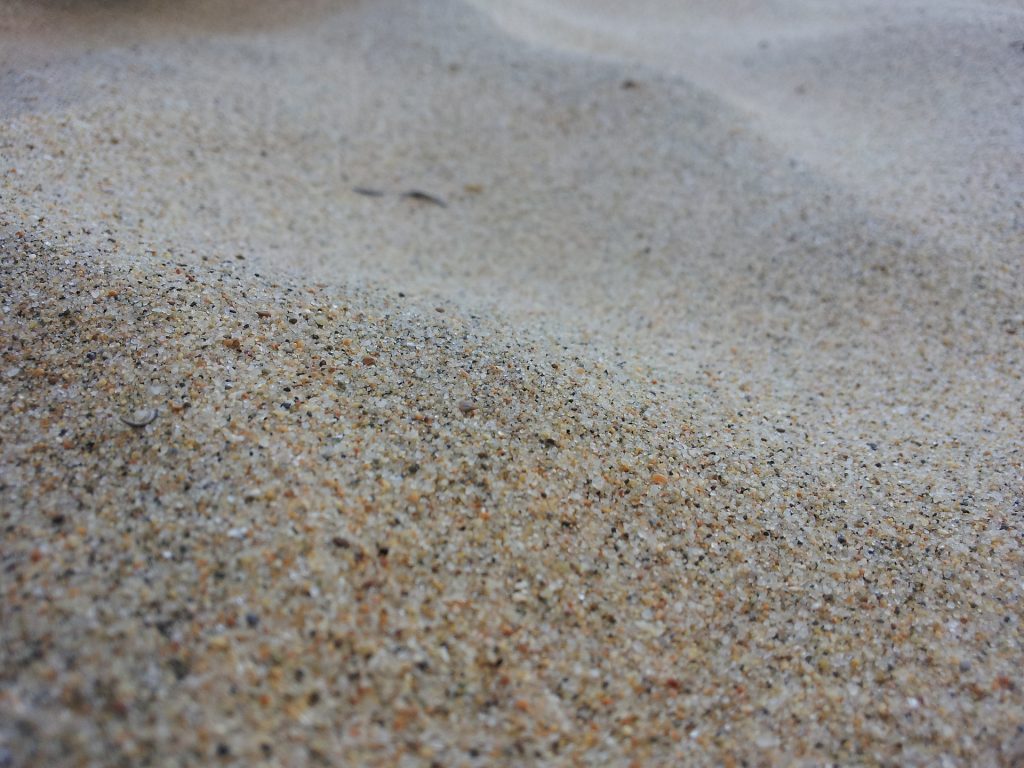
- Sand Soil:
Sand soil is characterized by its coarse, gritty texture, owing to the large particles it contains. This soil type has excellent drainage but struggles to retain water and nutrients. While sand soils may not be the most fertile, they offer advantages regarding aeration and root penetration. Coastal areas often feature sandy soils, influencing the types of vegetation that can thrive in these environments.
- Loam Soil:
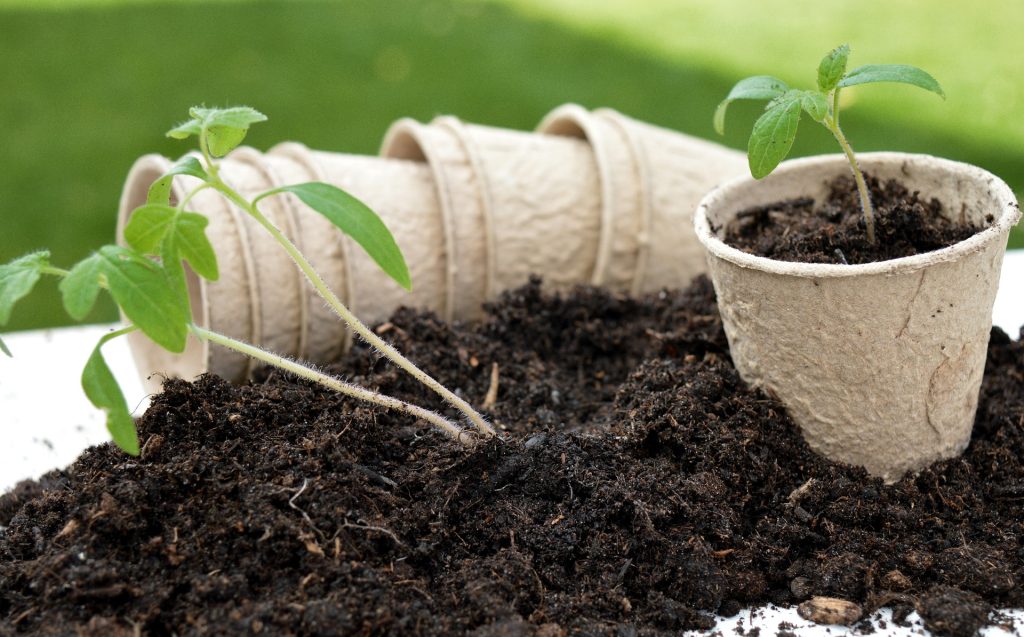
Loam soil is often considered the ideal soil type for plant growth. It is a well-balanced mixture of sand, silt, and clay, providing good fertility, drainage, and aeration. Optimal conditions for root development and nutrient availability are offered by loam soils, making them highly desirable for agriculture. Many successful farming regions boast a prevalence of loam soils, contributing to their productivity.
- Peat Soil:
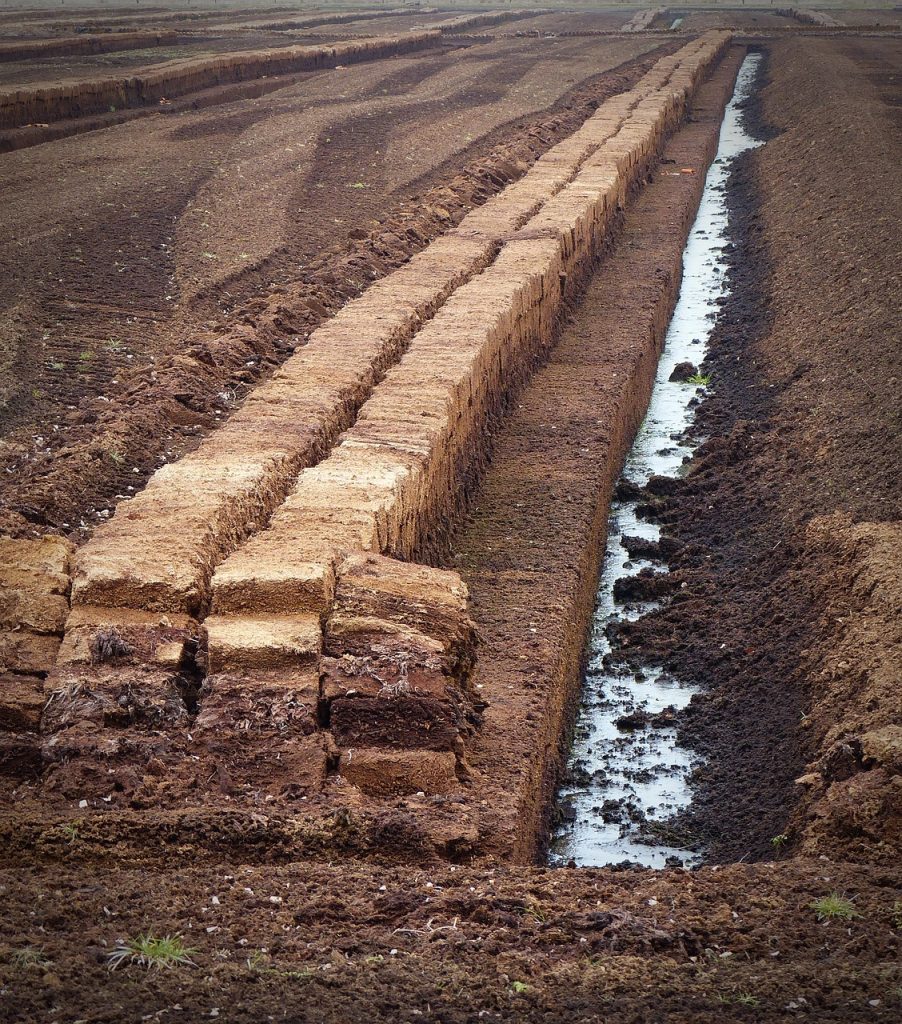
Peat soil, also known as peat moss, is characterized by its high organic matter content, primarily composed of partially decomposed plant material. This type of soil is often found in wetland areas and is a significant carbon sink. Peat soils are acidic and have unique water-holding properties, making them suitable for certain plant species. However, their extraction for agricultural purposes poses environmental concerns, as it contributes to carbon release and habitat degradation.
- Chalky Soil:
A high concentration of calcium carbonate is contained in chalky soil which is also known as limestone soil. This type of soil is alkaline and often found in regions with limestone bedrock. While the growth of acid-loving plants might be limited by chalky soils, they offer good drainage and are conducive to the cultivation of crops that thrive in alkaline conditions.
Conclusion:
The diversity of soil types is a testament to the intricate web of factors influencing the Earth’s surface. From the clayey expanses to the sandy shores, each soil type has its unique characteristics that shape the ecosystems they support. Understanding the properties and roles of different soils is crucial for sustainable land use and agriculture. As we continue to navigate the challenges of a growing population and environmental change, a deeper comprehension of soil diversity becomes essential for preserving the delicate balance of our planet. By appreciating the nuances of each soil type, we can work towards informed and responsible land management practices, ensuring the health and vitality of our soils for generations to come.