




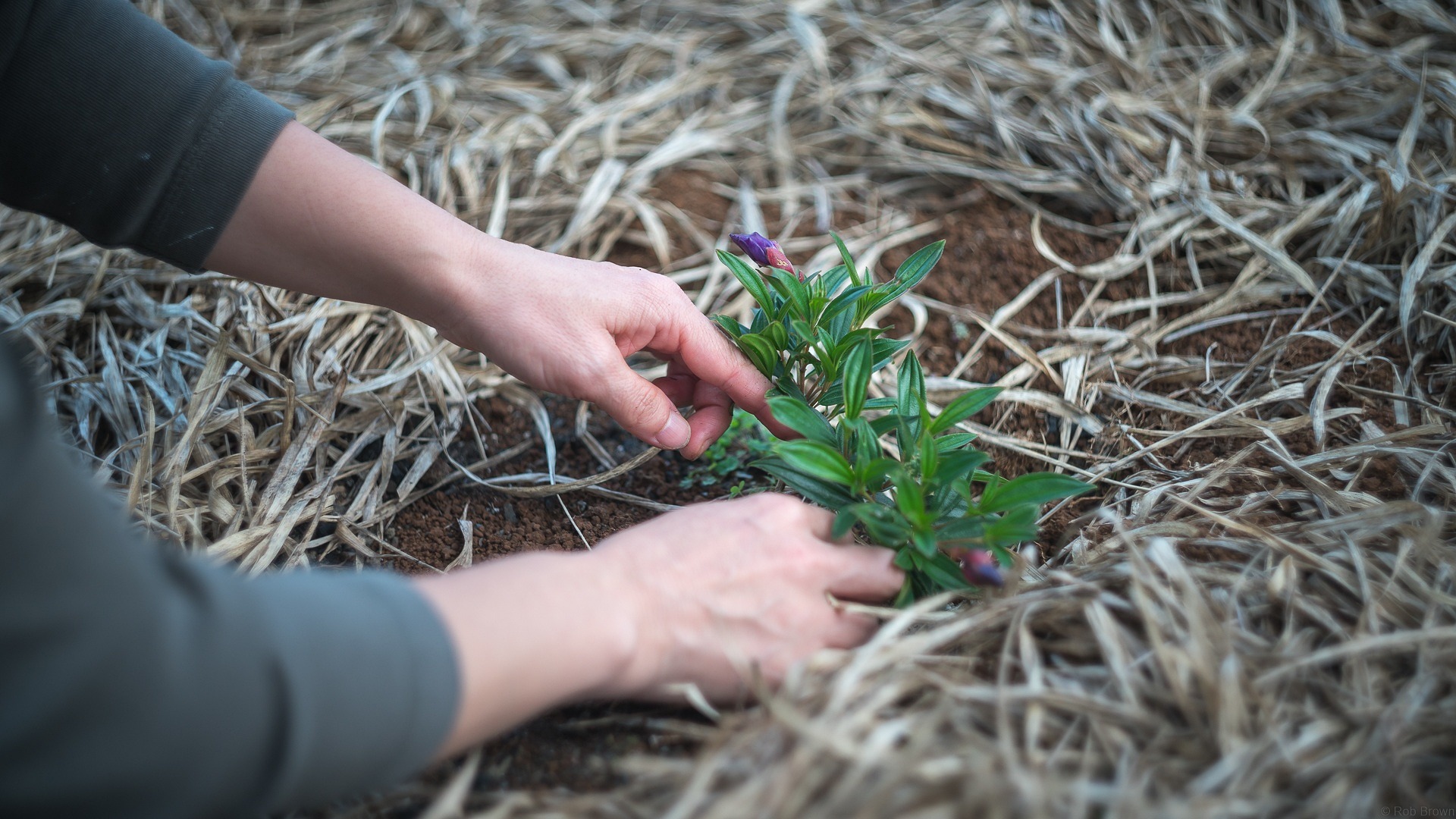
In an age dominated by bustling cities and digital distractions, the art of gardening stands as a serene oasis, offering not just a bounty of blooms and greens but also a sanctuary for the mind. Beyond the joy of watching seeds sprout into vibrant life, gardening has been increasingly recognized for its profound impact on mental health and well-being.

The therapeutic benefits of gardening extend far beyond the mere act of planting and tending to flora. The symbiotic relationship between humans and nature is deeply rooted in our evolutionary history, and engaging with plants and the earth has a profound effect on our mental state.
Nature’s Therapeutic Touch
The act of gardening is a multisensory experience, stimulating sight, touch, smell, and even taste. The scent of earth, the feel of soil between fingers, the vibrant hues of flowers, and the melodies of chirping birds all combine to create a sensory symphony that calms the mind and reduces stress levels. Studies have shown that exposure to natural environments can lower cortisol levels, the stress hormone, and reduce symptoms of anxiety and depression.

Cultivating Mindfulness
Gardening fosters a sense of mindfulness—an essential practice for mental well-being. When engrossed in the task at hand—whether it’s planting seeds, weeding, or pruning—gardeners often enter a state of flow, where worries dissipate, and attention is wholly absorbed in the present moment. This meditative quality of gardening promotes relaxation and helps in managing intrusive thoughts or ruminations, fostering a sense of tranquility and mental clarity.

Nurturing Growth, Cultivating Resilience
Witnessing the growth cycle of plants—from seed to sprout, bud to bloom—offers profound lessons in resilience and patience. It teaches us the importance of nurturing oneself and others, acknowledging that growth takes time and requires consistent care. This process instills a sense of accomplishment and boosts self-esteem, particularly when the efforts manifest in a flourishing garden.
Connecting with Community
Gardening often serves as a catalyst for community engagement. Community gardens, in particular, create spaces where individuals from diverse backgrounds come together, fostering a sense of belonging and social connection. Sharing knowledge, experiences, and the fruits of labor not only enriches the gardening experience but also cultivates a supportive network, combating feelings of isolation and loneliness.
A Prescription for Healing
The therapeutic benefits of gardening have gained recognition in various forms of therapy, including horticultural therapy. Mental health professionals and therapists increasingly incorporate gardening into their treatment plans, leveraging its ability to reduce symptoms of depression, anxiety, and PTSD while promoting relaxation and emotional healing.
Cultivating Your Garden for Mental Well-being
Starting a garden doesn’t require a vast expanse of land or expert horticultural knowledge. Even a small indoor pot or a balcony planter can serve as a canvas for cultivating mental wellness. Begin with simple plants like herbs or succulents, allowing yourself to experiment, learn, and relish the process rather than focusing solely on the outcome.
Regularly engaging in gardening, even in small doses, can significantly impact mental health. Set aside time to tend to your garden—watering, weeding, or simply admiring the growth. Embrace the imperfections, recognizing that, much like life, gardening is a journey of continual learning and growth.
In conclusion, the act of gardening transcends being a mere hobby; it’s a powerful tool for nurturing mental health. By fostering mindfulness, resilience, community, and providing a therapeutic outlet, gardening becomes a cornerstone in maintaining emotional well-being. So, roll up your sleeves, dig your hands into the soil, and allow the therapeutic power of gardening to cultivate a healthier mind.