



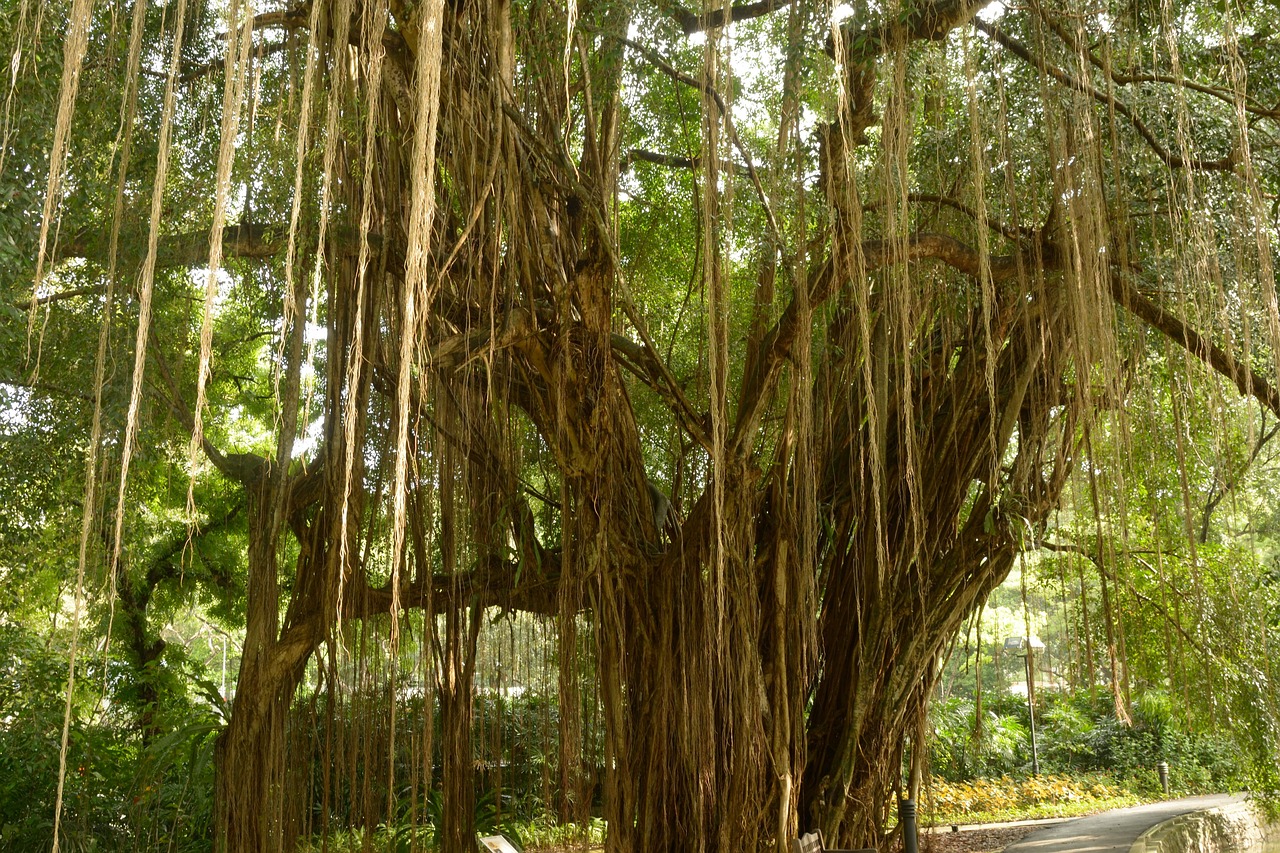
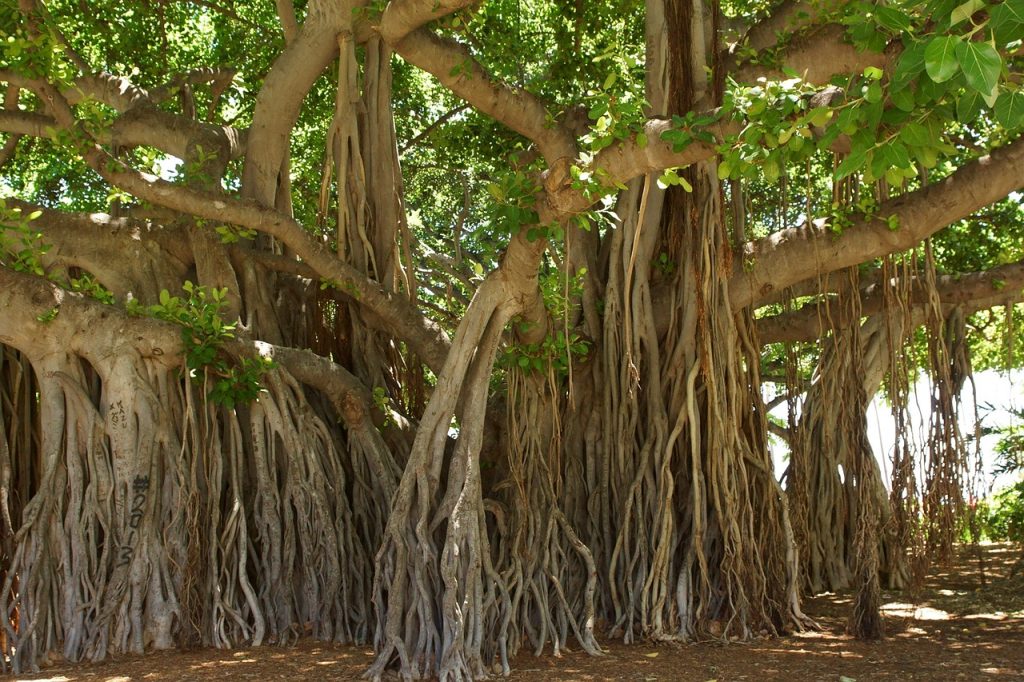
The banyan tree, with its wide canopy and sprawling roots, holds a special place in many cultures around the world. This majestic tree, known for its longevity and resilience, offers a plethora of benefits to both the environment and human society. From providing shade and shelter to hosting diverse ecosystems, a vital role is played by the banyan tree in sustaining life on Earth.
Environmental Benefits
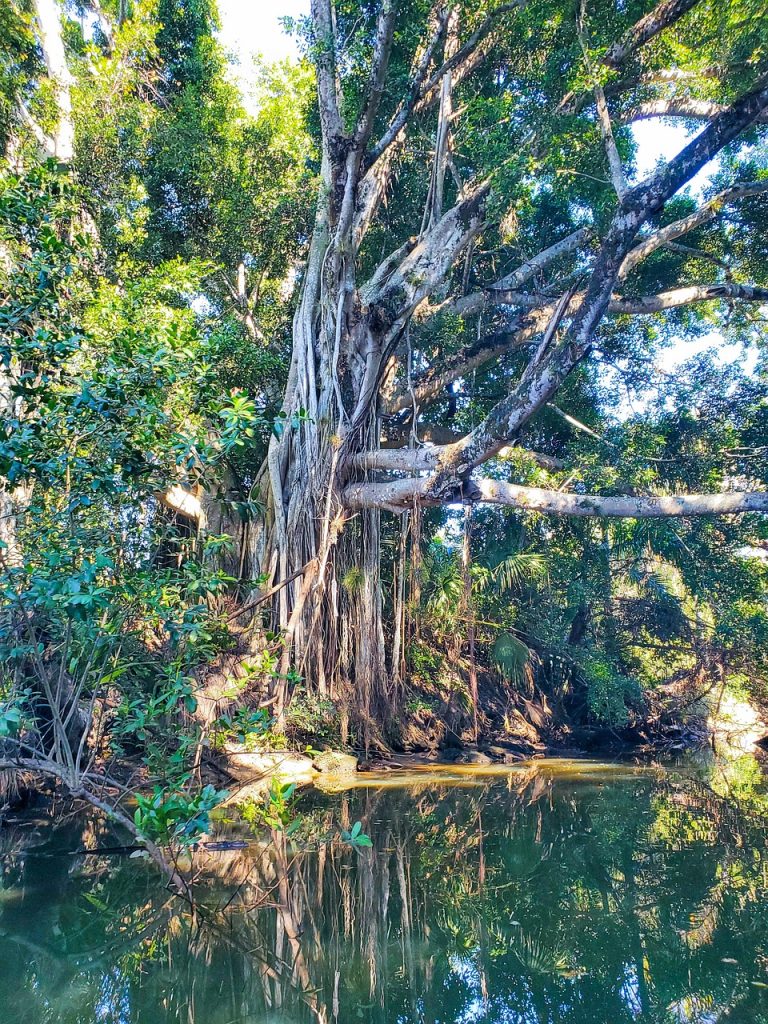
One of the most significant contributions of the banyan tree is its role in environmental conservation. With its extensive root system, banyan trees help prevent soil erosion, particularly in regions prone to heavy rainfall or strong winds. The soil is anchored by the roots of these trees, reducing the risk of landslides and maintaining the stability of riverbanks and hillsides. Additionally, banyan trees act as carbon sinks, absorbing carbon dioxide from the atmosphere and helping mitigate the effects of climate change.
Biodiversity Support
Banyan trees are biodiversity hotspots, supporting a wide array of plant and animal species within their ecosystem. A habitat for various birds, insects, and small mammals is provided by the dense canopy of the banyan tree. Birds often build their nests among the branches, while insects find refuge in the bark and foliage. Some species of bats and monkeys also depend on banyan trees for food and shelter. By preserving banyan trees, we safeguard the rich biodiversity that relies on these majestic giants for survival.
Medicinal Properties
In traditional medicine systems such as Ayurveda and Traditional Chinese Medicine, different parts of the banyan tree are utilized for their medicinal properties. The bark of the tree is believed to have astringent properties and is used to treat various ailments, including diarrhea and dysentery. Additionally, extracts from the roots and leaves of the banyan tree are used in herbal remedies to alleviate conditions such as asthma, diabetes, and skin disorders. Research into the medicinal potential of banyan trees continues to uncover new therapeutic applications, highlighting the importance of preserving these trees for future generations.
Cultural Significance
Beyond its environmental and medicinal benefits, immense cultural significance is held by the banyan tree in many societies. In Hindu mythology, the banyan tree is revered as the abode of gods and goddesses, symbolizing longevity, wisdom, and fertility. It is often associated with sacred sites and pilgrimage destinations, where devotees gather to offer prayers and perform rituals. Similarly, in Buddhist tradition, the banyan tree is revered as the tree of enlightenment, under which Siddhartha Gautama, the Buddha, is said to have attained enlightenment. This cultural reverence for the banyan tree underscores its importance as more than just a botanical species but as a symbol of spiritual nourishment and connection to the natural world.
Aesthetic Value
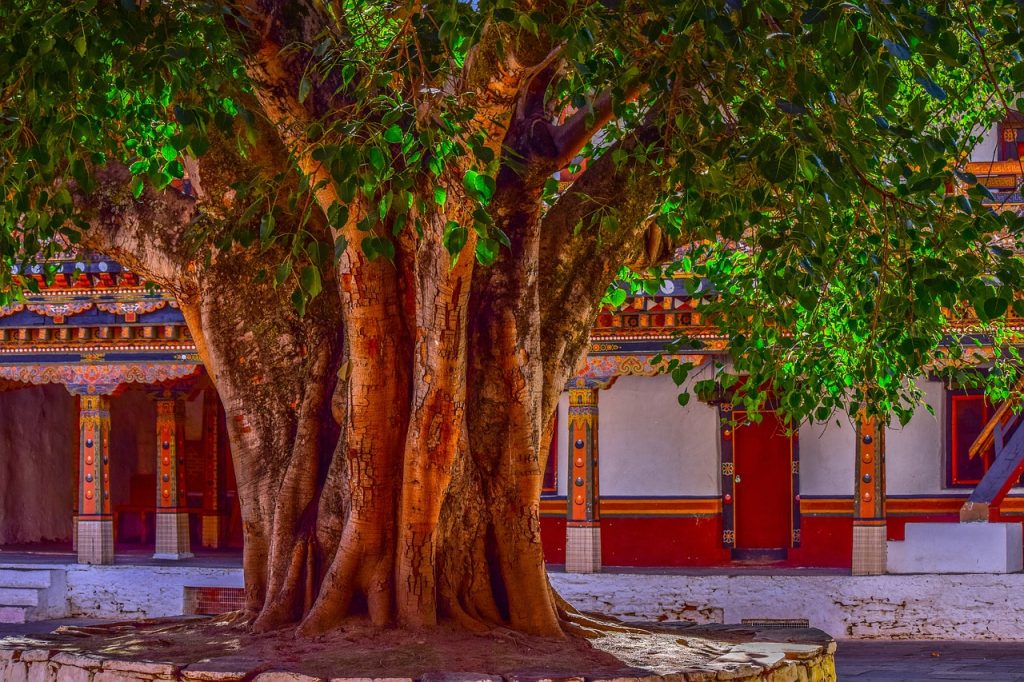
Apart from its utilitarian and cultural significance, the aesthetic beauty of landscapes and urban environments is added by the banyan tree. A striking visual spectacle, especially when illuminated by sunlight or adorned with epiphytic plants, is created by its broad canopy and aerial roots. Many parks, gardens, and public spaces feature banyan trees as focal points, attracting visitors and providing tranquil spaces for relaxation and contemplation. The sheer grandeur of these trees inspires awe and admiration, reminding us of the intrinsic beauty of nature.
Conclusion
In conclusion, the banyan tree stands as a symbol of resilience, biodiversity, and cultural heritage. Its myriad benefits, ranging from environmental conservation to medicinal properties, highlight the crucial role it plays in sustaining life on Earth. By recognizing and preserving the significance of the banyan tree, we not only safeguard the health of our planet but also honor the rich tapestry of traditions and beliefs woven around this magnificent species. As stewards of the environment, it is our responsibility to ensure the continued existence and prosperity of the banyan tree for generations to come.