




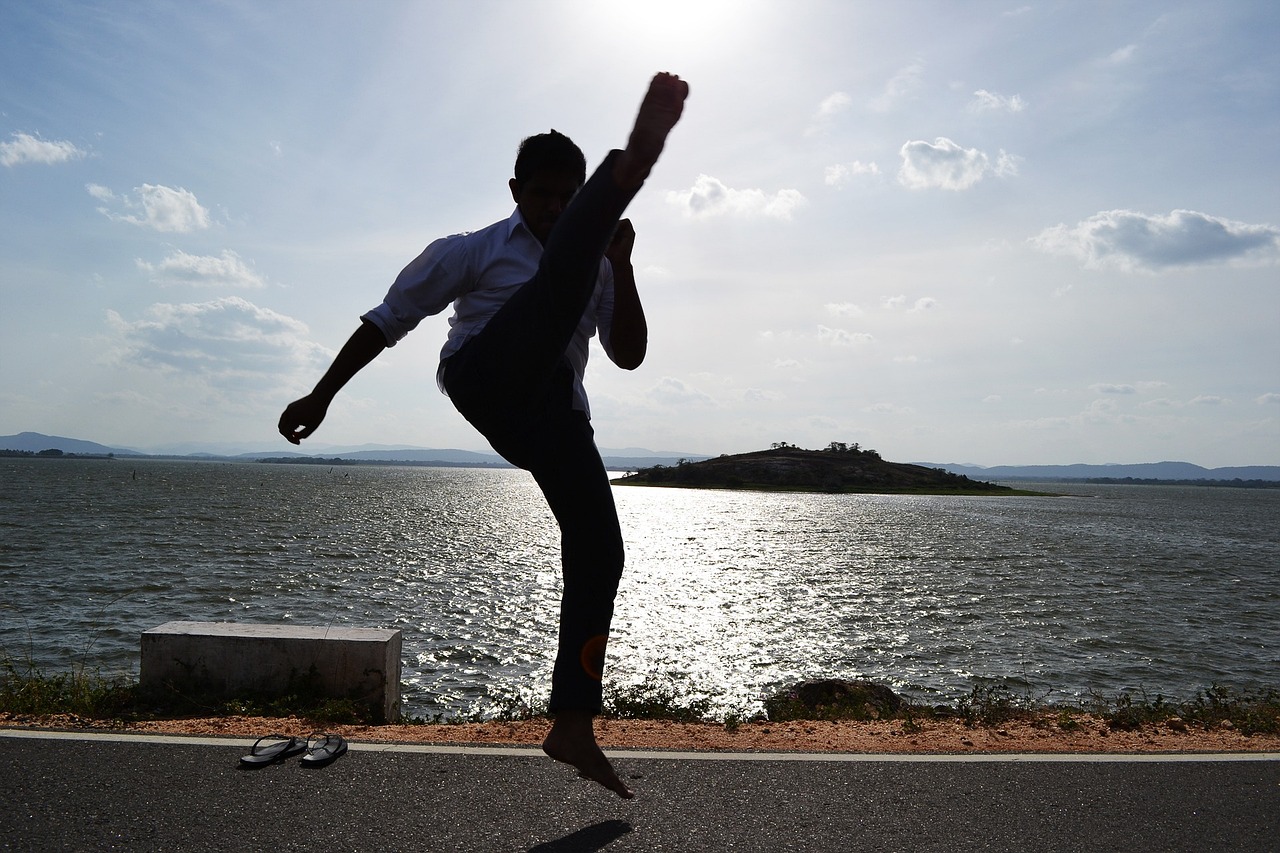
Martial arts, often depicted in movies as a form of flashy combat, hold far deeper significance beyond just physical prowess and flashy moves. The practice of martial arts encompasses a wide array of disciplines, each with its own unique techniques and philosophies. Beyond the physical benefits, martial arts training offers a multitude of advantages that extend into various aspects of life, including mental, emotional, and even spiritual growth. In this discourse, we delve into the diverse advantages of engaging in martial arts training, shedding light on its transformative power beyond the dojo
Physical Fitness and Health
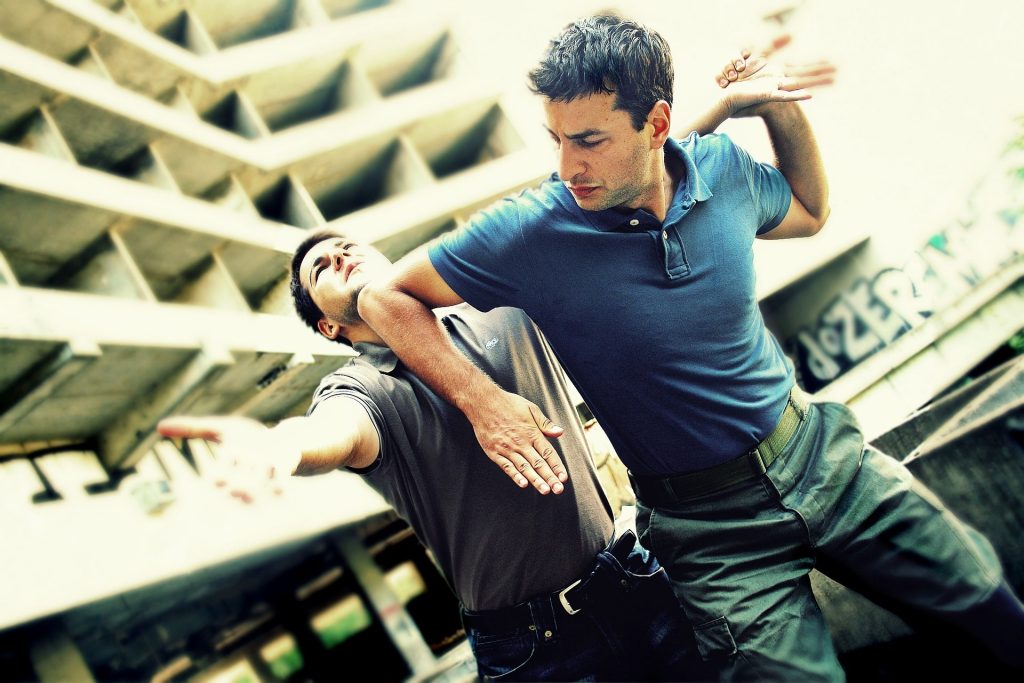
One of the most evident advantages of practicing martial arts is the enhancement of physical fitness and overall health. Rigorous exercises that improve cardiovascular health, strength, flexibility, and agility are involved in martial arts. Techniques such as kicks, punches, and blocks engage various muscle groups, promoting muscle toning and endurance. Moreover, the repetitive nature of training drills enhances coordination and balance, contributing to better motor skills and body awareness. Regular practice not only helps in weight management but also boosts immune function and reduces the risk of chronic diseases such as diabetes and heart ailments.
Self-Defense Skills
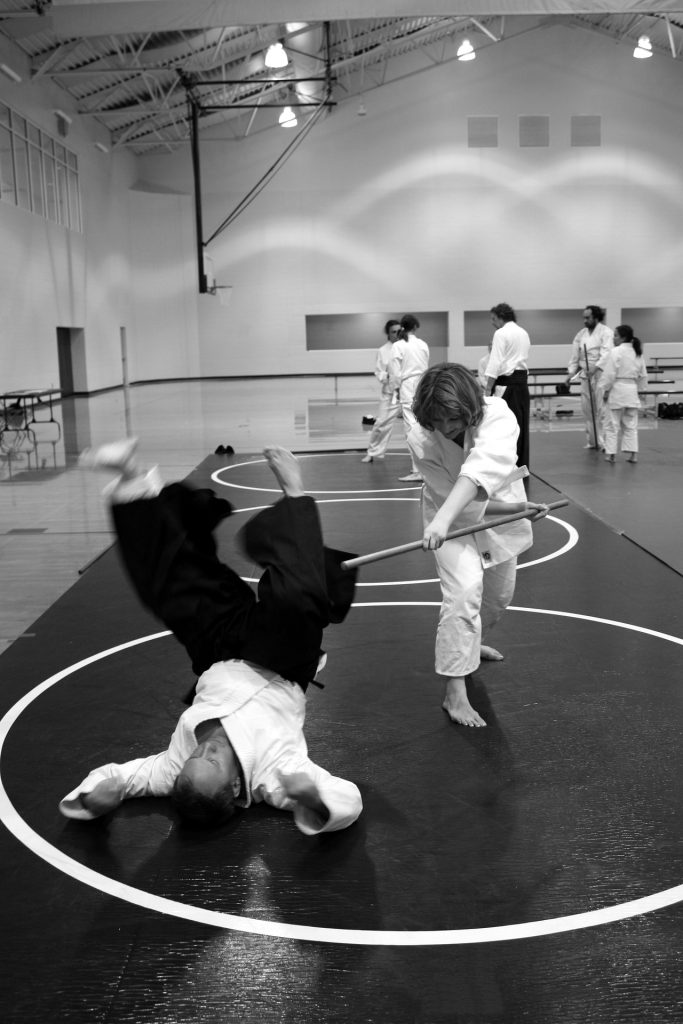
Beyond its physical benefits, martial arts equips practitioners with invaluable self-defense skills, empowering them to protect themselves in threatening situations. Through learning effective striking, grappling, and evasion techniques, individuals develop the ability to defend against physical attacks confidently. However, the essence of martial arts lies not in seeking conflict but in fostering discipline and self-control. By instilling a sense of responsibility and respect for others, practitioners are encouraged by martial arts training to avoid confrontations whenever possible and to resolve conflicts peacefully.
Mental Discipline and Focus
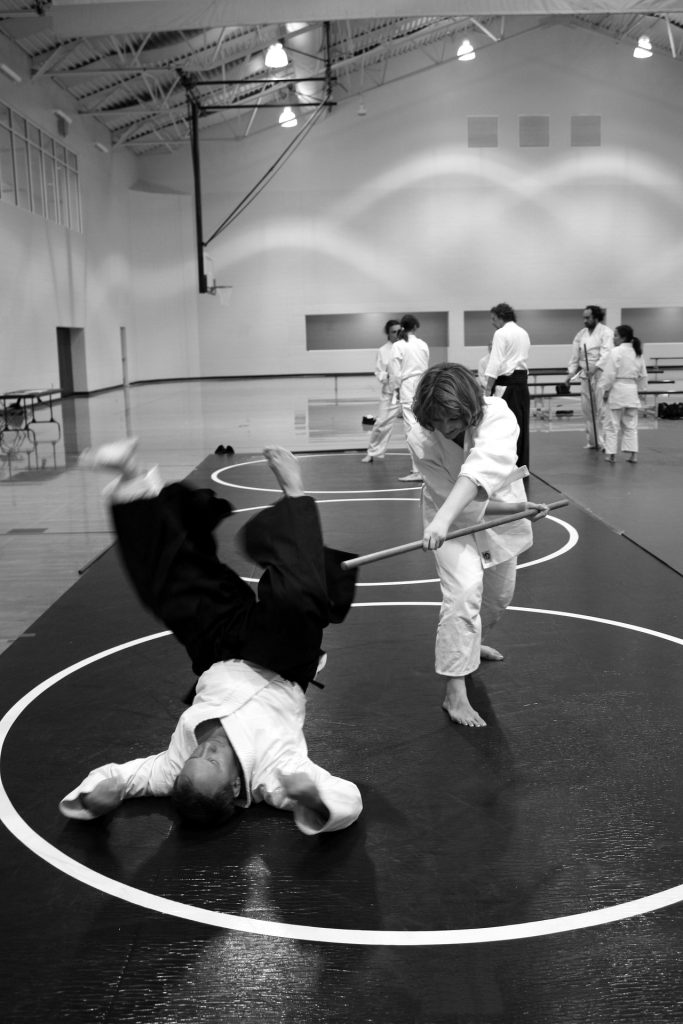
Central to martial arts philosophy is the cultivation of mental discipline and focus. Training sessions often involve intense concentration, requiring practitioners to remain fully present and attentive to their movements. Through disciplined practice, individuals learn to silence distractions and develop a heightened sense of focus, which extends beyond the training mat into everyday life. This enhanced mental discipline enables practitioners to approach challenges with clarity and determination, fostering resilience in the face of adversity.
Emotional Regulation and Stress Relief
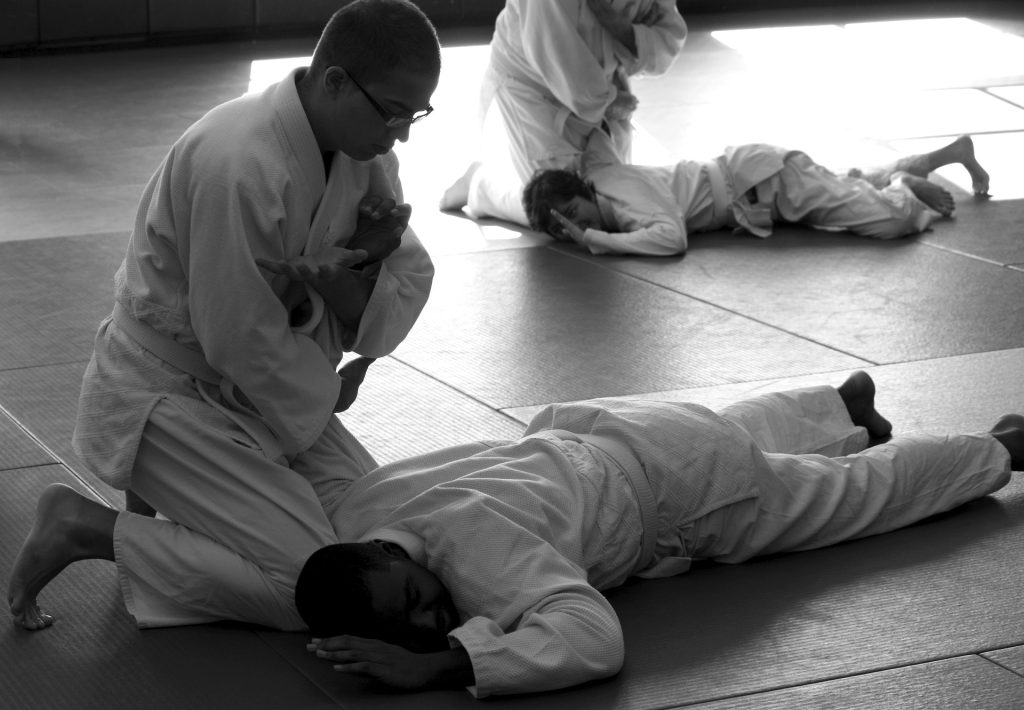
A constructive outlet for emotional expression and stress relief are provided by the practice of martial arts. Engaging in physical activity releases endorphins, neurotransmitters known for their mood-boosting effects, which alleviate stress and promote a sense of well-being. Additionally, the structured environment of martial arts training encourages practitioners to channel their emotions productively, teaching them to manage anger, fear, and frustration effectively. By promoting emotional regulation, martial arts training fosters mental resilience and equips individuals with coping mechanisms to navigate the complexities of daily life.
Confidence and Self-Esteem
As individuals progress in their martial arts journey, they experience a profound transformation in their confidence and self-esteem. Mastering new techniques and overcoming challenges instills a sense of accomplishment and self-assurance. Moreover, the supportive community within martial arts schools fosters camaraderie and mutual respect, providing a nurturing environment for personal growth. Through facing and conquering adversity, practitioners develop resilience and belief in their abilities, which transcends the confines of the dojo and permeates every aspect of their lives.
Cultural Appreciation and Personal Growth
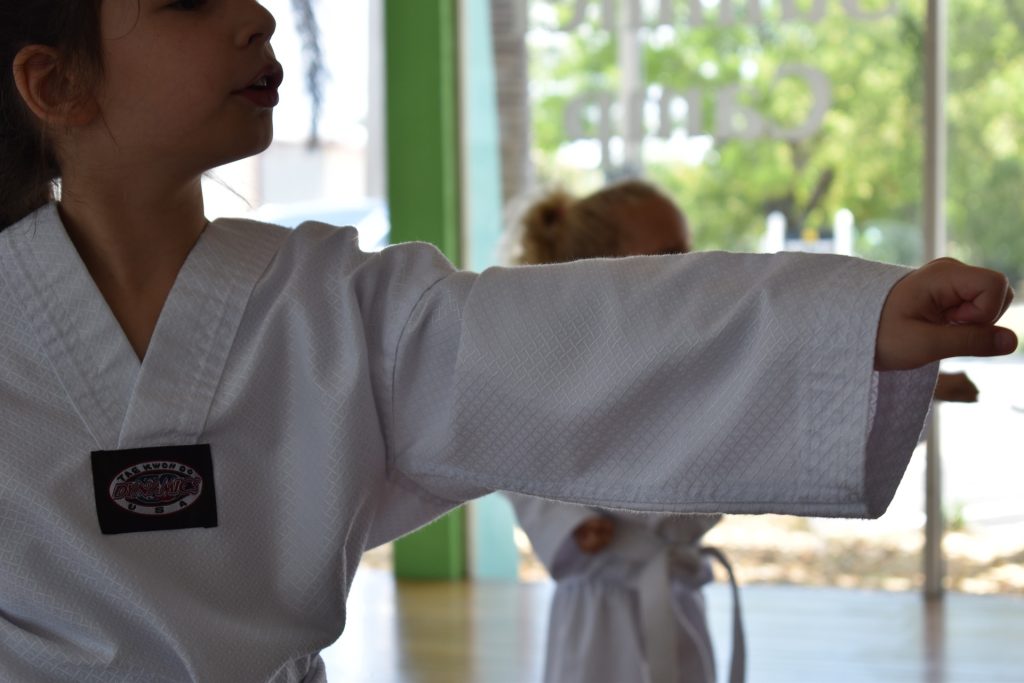
Rich cultural traditions and histories are encompassed by martial arts, offering practitioners a profound opportunity for cultural appreciation and personal growth. Beyond the physical techniques, principles such as honor, integrity, and humility, which resonate deeply with practitioners, are encompassed by martial arts philosophy. By immersing themselves in the traditions and teachings of their chosen discipline, individuals gain insights into different worldviews and ways of life, fostering empathy and understanding. This cultural exchange not only enriches personal experiences but also promotes global harmony and unity.
Conclusion
In conclusion, the advantages of martial arts training extend far beyond the realm of physical fitness and self-defense. From fostering mental discipline and emotional regulation to enhancing confidence and cultural appreciation, martial arts offer a transformative journey of personal growth and self-discovery. By embracing the holistic philosophy of martial arts, practitioners cultivate not only strength of body but also resilience of mind and spirit, empowering them to lead balanced and fulfilling lives both inside and outside the dojo.