




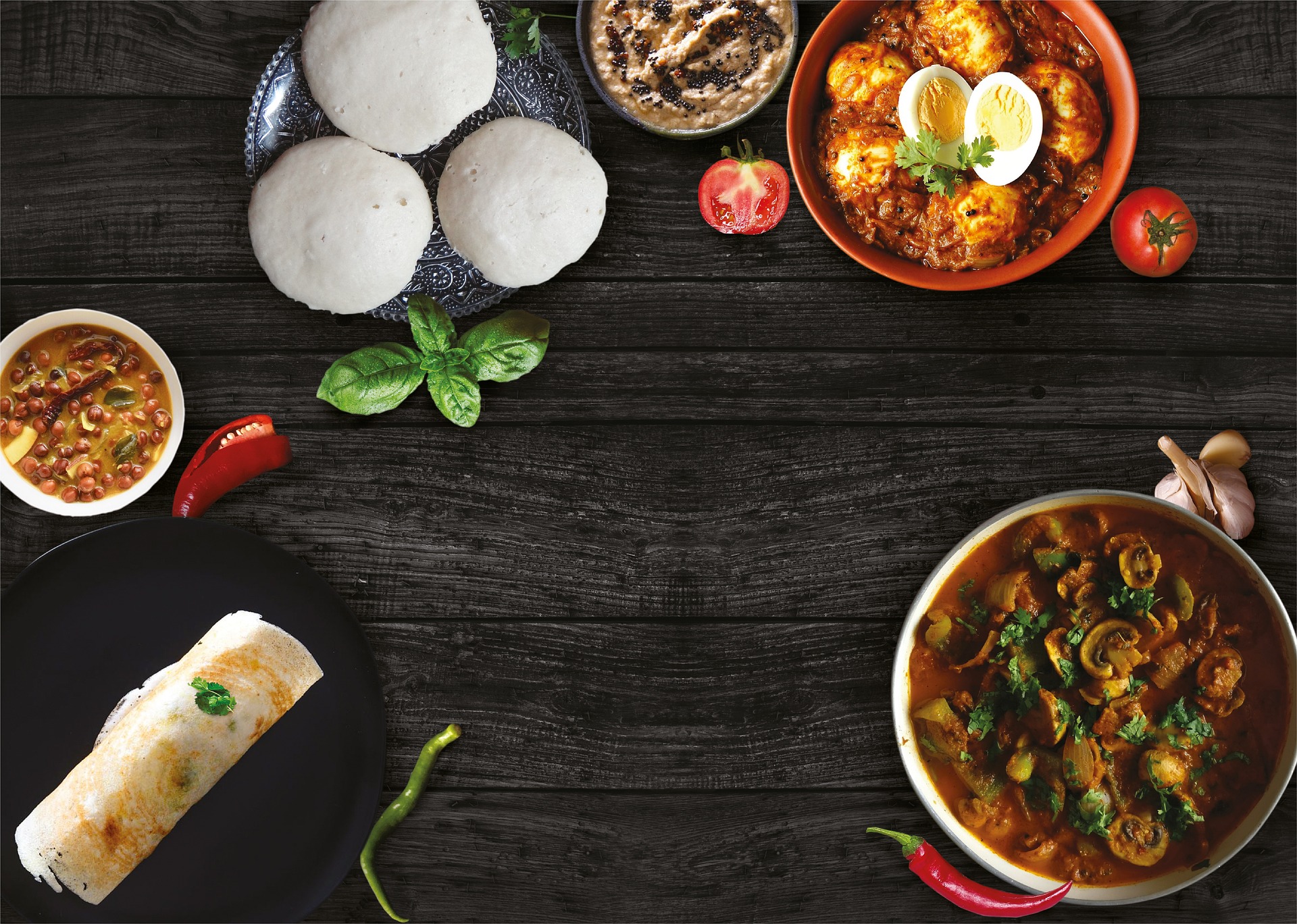
South Indian cuisine stands as a vibrant testament to the rich cultural heritage and diverse culinary traditions that have flourished in the southern part of the Indian subcontinent. Renowned for its unique blend of flavors, aromatic spices, and a wide array of vegetarian and non-vegetarian dishes, South Indian food has captivated the taste buds of people across the globe. This gastronomic journey through the culinary landscape of South India unveils the essence of its cuisine, exploring the historical influences, key ingredients, and the distinctiveness that sets it apart.
Historical Influences:
South Indian cuisine is deeply rooted in the region’s history, shaped by a myriad of cultural influences. The Chola, Chera, and Pandya dynasties, as well as the later Vijayanagara and Chalukya empires, have all played pivotal roles in shaping the culinary landscape. The intermingling of local traditions with foreign influences, such as Persian, Arab, and European, has given rise to a diverse and eclectic range of dishes.
Key Ingredients:
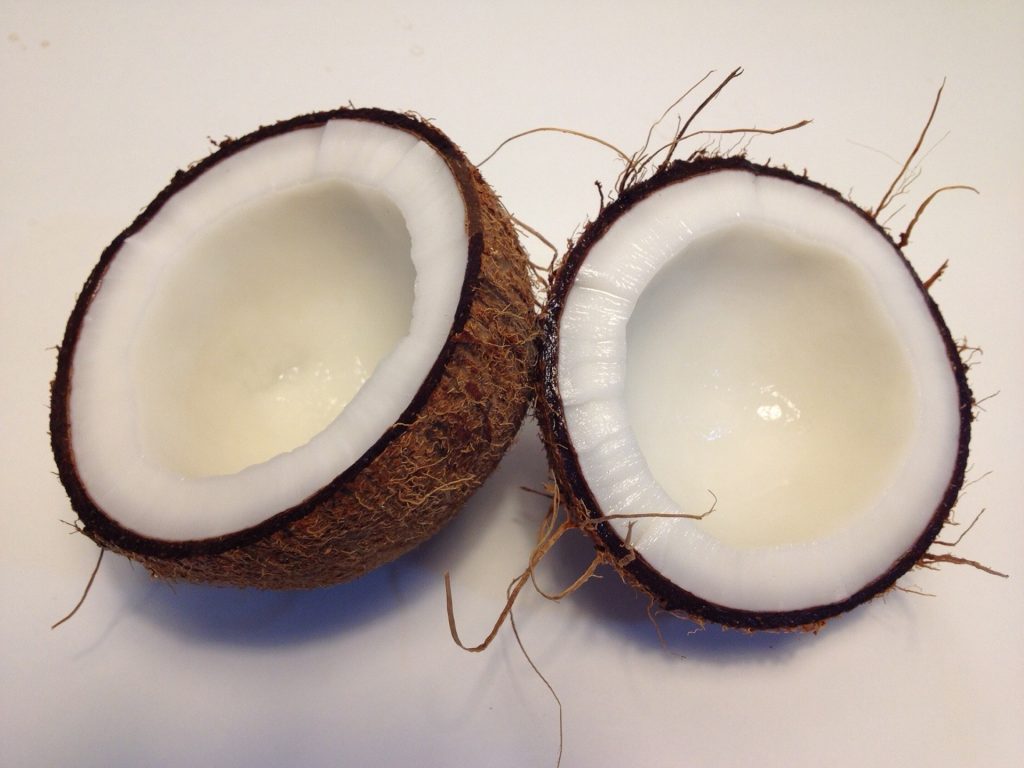
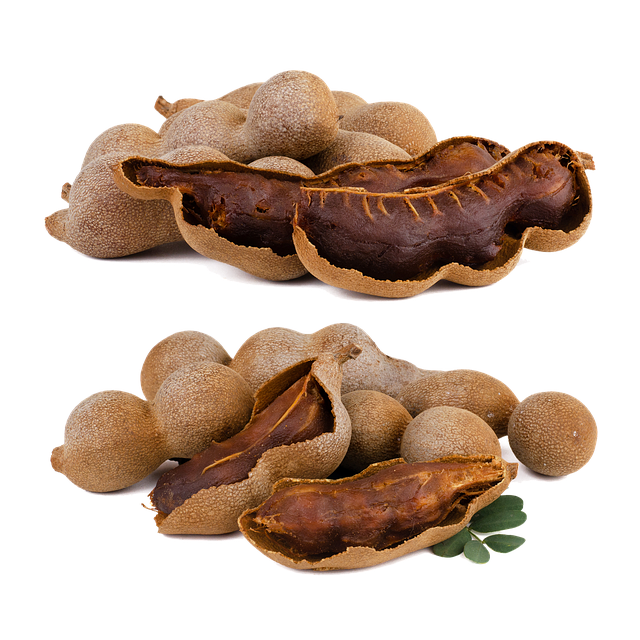
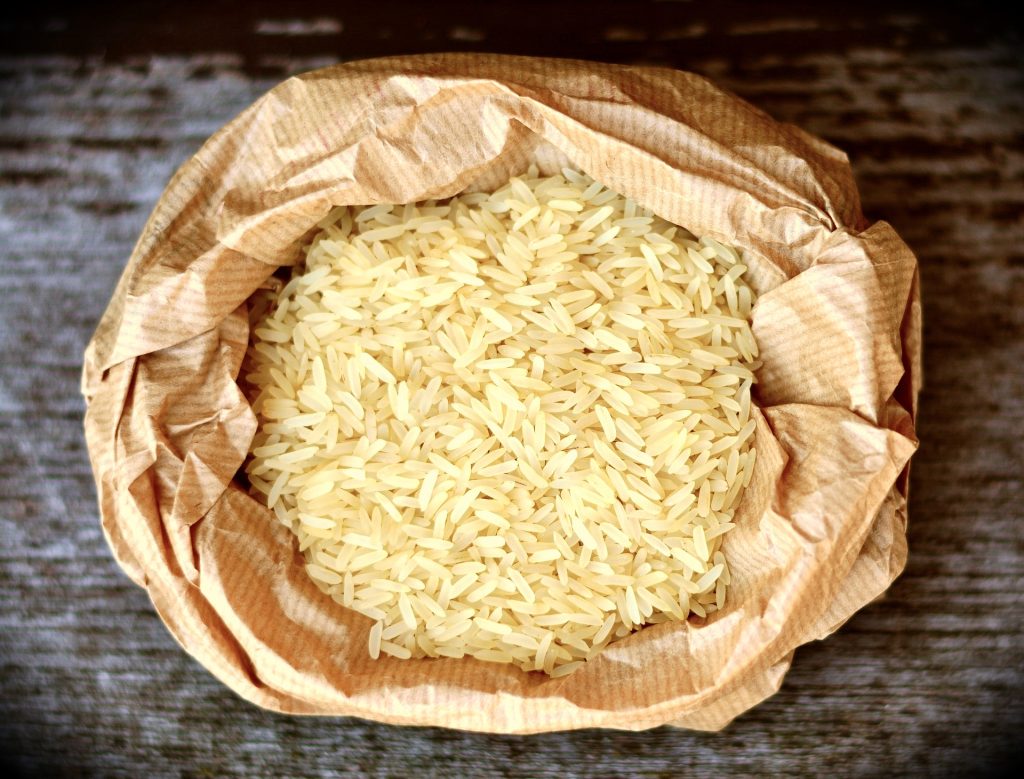
One of the defining characteristics of South Indian cuisine is its emphasis on fresh and locally sourced ingredients. Rice, coconut, tamarind, and an array of lentils form the backbone of many dishes. A distinct flavor profile to the cuisine is imparted by the use of aromatic spices like curry leaves, mustard seeds, fenugreek, and asafoetida. These ingredients are blended masterfully by South Indian chefs to create a symphony of tastes that is both satisfying and memorable.
Diversity in Vegetarian and Non-Vegetarian Offerings:
South Indian cuisine is renowned for its extensive vegetarian offerings, with a plethora of dosas, idlis, and vadas gracing the tables. The ubiquitous dosa, a thin, crispy pancake made from fermented rice and urad dal batter, is often enjoyed with a variety of chutneys and sambar. The versatility of South Indian vegetarian cuisine is showcased by popular breakfast items like idlis, steamed rice cakes, and vadas, deep-fried lentil donuts.
On the non-vegetarian front, South Indian cuisine boasts an array of mouth-watering options. Chettinad cuisine from Tamil Nadu, known for its robust and fiery flavors, features dishes like Chicken Chettinad and Chettinad Fish Curry. The coastal regions, influenced by the bounty of the Arabian Sea, showcase delectable seafood dishes such as Meen Curry (fish curry) and Alleppey Prawn Curry. These non-vegetarian delicacies is characterized by the inclusion of coconut milk and a medley of spices, contributing to their irresistible appeal.
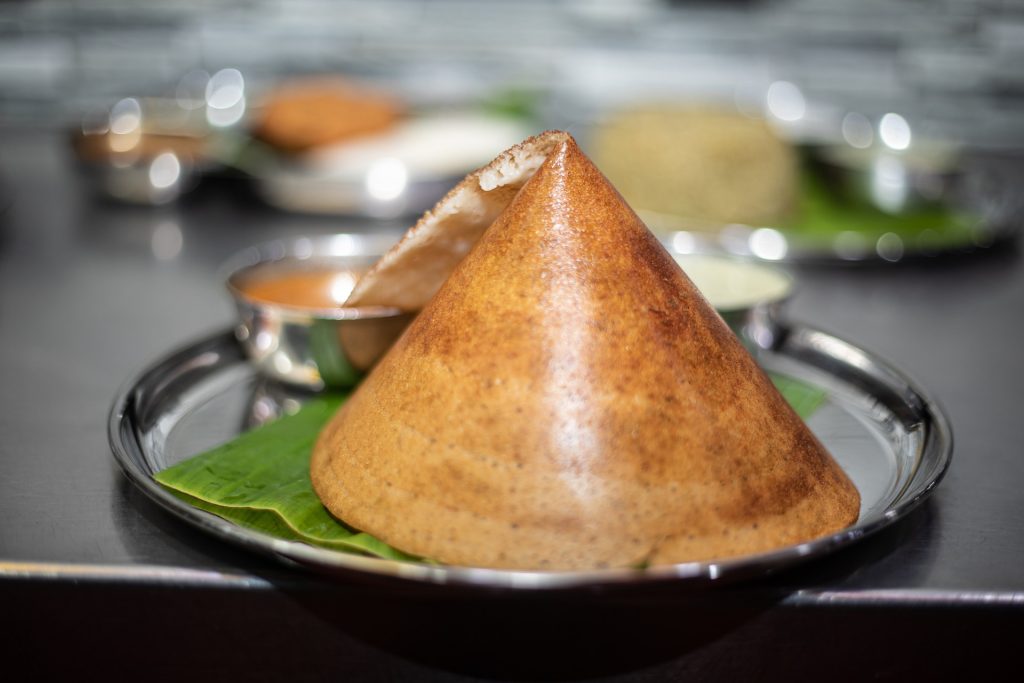
Dosa – A Culinary Marvel:
No exploration of South Indian cuisine is complete without delving into the world of dosas. This iconic dish comes in various forms, from the classic plain dosa to the more elaborate Masala Dosa. Spreading a thin layer of fermented rice and urad dal batter on a hot griddle is involved in this preparation, resulting in a crispy golden-brown delight. Served with coconut chutney and tangy sambar, dosas are not just a culinary delight but also a cultural symbol, representing the diversity and richness of South Indian cuisine.
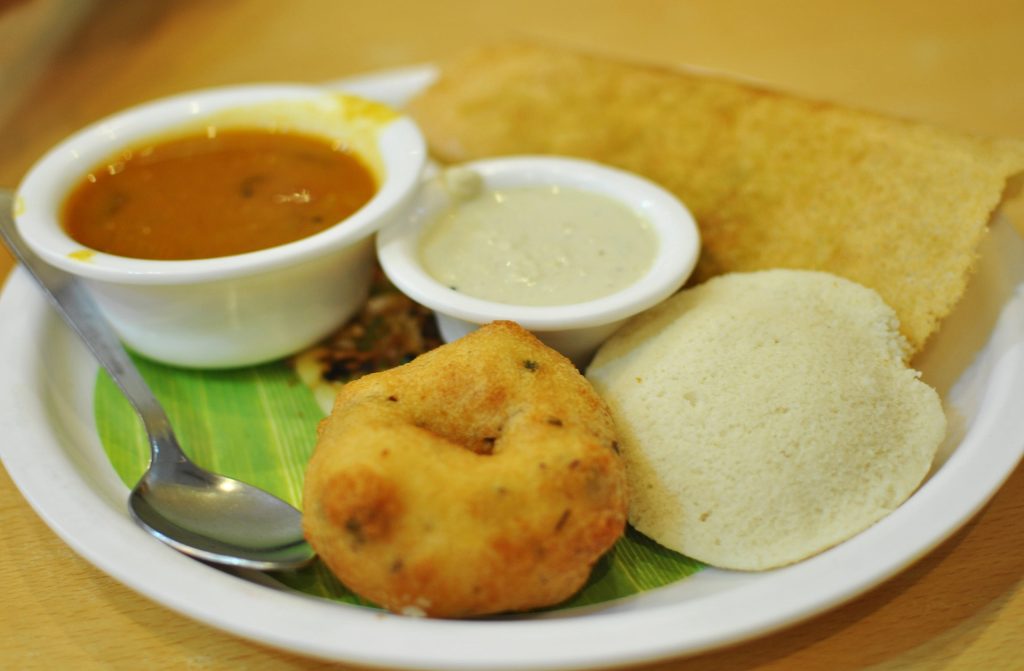
Idlis and Vadas – Steamed and Fried Perfection:
Idlis and vadas, though seemingly simple, are quintessential elements of South Indian breakfast. Idlis, made from fermented rice and urad dal batter, are steamed to perfection, resulting in soft, fluffy rice cakes. Vadas, on the other hand, are savory lentil donuts with a crispy exterior and a soft interior. Whether enjoyed with coconut chutney or dunked in piping hot sambar, idlis and vadas showcase the mastery of South Indian chefs in creating dishes that are not only delicious but also nutritious.
Conclusion:
South Indian cuisine is a celebration of diversity, tradition, and culinary artistry. From the fiery flavors of Chettinad to the subtle simplicity of dosas and idlis, every dish tells a story of centuries-old traditions and cultural influences. As the world embraces the richness of South Indian food, it continues to leave an indelible mark on the global culinary landscape, captivating hearts and taste buds with its unique blend of flavors and textures. So, the next time you savor a plate of dosa or relish the aromatic spices of a South Indian curry, remember that you are partaking in a gastronomic journey through the cultural tapestry of a region that takes immense pride in its culinary heritage.