




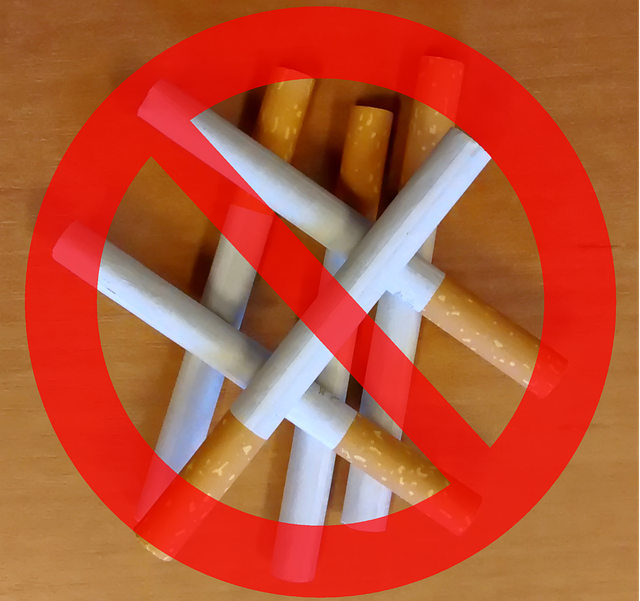
Smoking is a pervasive habit that adversely affects health, leading to a multitude of serious diseases and conditions. Quitting smoking is undoubtedly a challenging endeavor, but it is also one of the most rewarding decisions one can make for their well-being. This comprehensive guide aims to provide a roadmap for those looking to break free from the shackles of smoking, offering practical tips and strategies to make the journey towards a smoke-free life more manageable and successful.

Understanding the Addiction:
To effectively quit smoking, it is crucial to comprehend the nature of nicotine addiction. The release of dopamine in the brain is stimulated by nicotine, a highly addictive substance found in tobacco, creating a pleasurable sensation that becomes associated with smoking. Over time, the brain adapts to nicotine, leading to physical and psychological dependence. Acknowledging this dependency is the first step towards crafting a personalized quit plan.

Setting a Quit Date:
Selecting a quit date is a pivotal milestone in the quitting process. This date marks the beginning of your commitment to a smoke-free life. Choose a day that allows you to prepare mentally and emotionally, but avoid procrastination. Having a specific date in mind helps to focus your efforts and build the determination needed for success.

Seeking Support:
Quitting smoking is a formidable challenge, and having a support system can make a significant difference. Inform friends, family, and colleagues about your decision to quit, and let them know how they can support you. Joining a support group, whether in person or online, provides a sense of community with others facing similar struggles. Professional support, such as counseling or nicotine replacement therapy, can also be beneficial in managing cravings and withdrawal symptoms.
Understanding Triggers:
Identifying and managing triggers is essential for a successful quit attempt. Triggers can be emotional, environmental, or social situations that prompt the desire to smoke. By recognizing these triggers, individuals can develop coping strategies to navigate through challenging moments without resorting to cigarettes. Whether it’s stress, boredom, or specific activities, a crucial step toward breaking the smoking cycle is understanding triggers.

Utilizing Nicotine Replacement Therapy (NRT):
The gradual reduction in usage of products like nicotine patches, gum, lozenges, or inhalers is included in Nicotine replacement therapy (NRT). NRT can help manage withdrawal symptoms and cravings, making it easier for individuals to quit smoking. The most suitable NRT option based on individual needs and health considerations can be determined by consulting with a healthcare professional.

Adopting Healthy Lifestyle Changes:
The fundamental aspect for quitting process is by replacing smoking with healthy habits. Regular exercise not only helps manage weight gain often associated with quitting but also serves as a natural mood enhancer. A balanced diet and proper hydration contribute to overall well-being, while stress can be reduced by sufficient sleep. Cultivating these habits not only supports the quitting journey but also promotes long-term health and vitality.
Coping with Relapses:
Quitting smoking is rarely a linear process, and setbacks can occur. It’s essential to view relapses as learning opportunities rather than failures. Analyze the circumstances leading to the relapse, adjust your quit plan accordingly, and recommit to the goal of being smoke-free. Celebrate the progress made and use the experience to strengthen your resolve to quit for good.
Conclusion:
Quitting smoking is undeniably challenging, but with determination, support, and a well-thought-out plan, it is an achievable and life-changing goal. Understanding the addiction, setting a quit date, seeking support, identifying triggers, utilizing NRT, adopting healthy lifestyle changes, and coping with relapses are integral components of a successful quitting strategy. Remember, the journey to a smoke-free life is a personal one, and each step forward is a triumph over addiction, leading to improved health and a brighter future.