

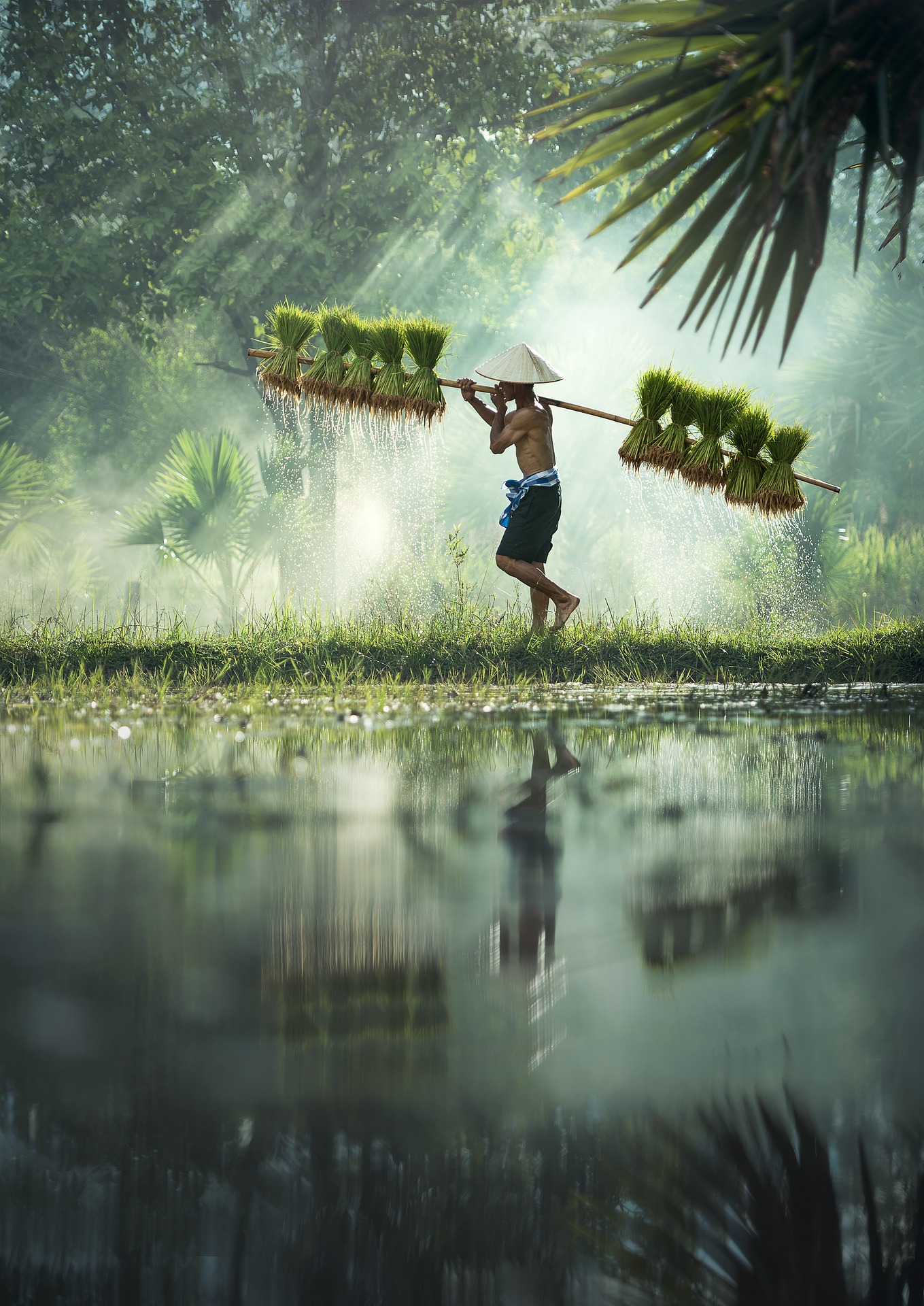
Paddy cultivation, also known as rice farming, is an ancient practice that has sustained civilizations for millennia. This intricate process involves a series of well-coordinated stages, each essential for the successful cultivation of this staple food crop. From the initial preparation of the field to the final harvesting and processing of rice grains, paddy cultivation is a labor-intensive and time-sensitive endeavor that demands both traditional wisdom and modern agricultural techniques.
- Land Preparation:
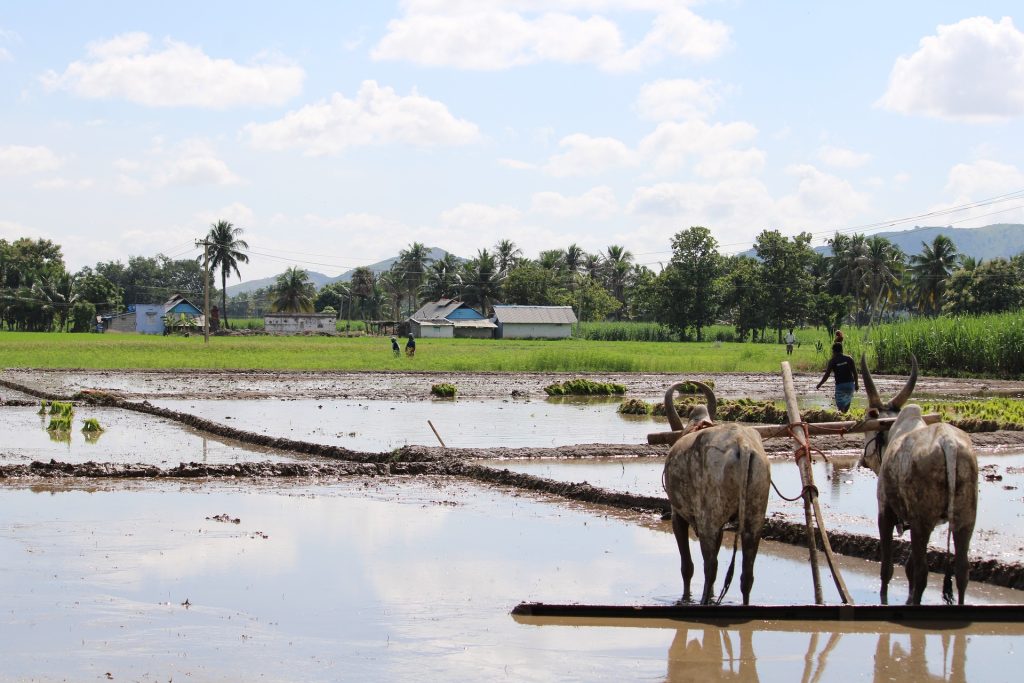
The journey of paddy cultivation begins with meticulous land preparation. Farmers engage in plowing and harrowing to break up the soil, creating a fine and level seedbed. This stage is crucial for ensuring proper water retention and facilitating the even distribution of nutrients. In some regions, the fertility of land is enhanced by farmers by incorporating organic matter or fertilizers into the soil, providing an optimal environment for the germination of rice seeds.
- Seed Selection and Germination:
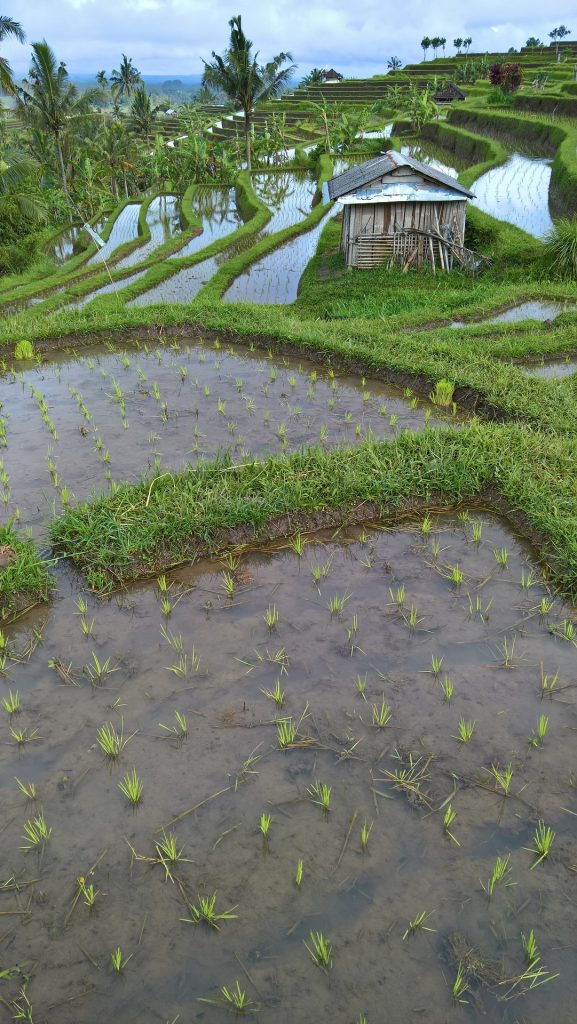
The selection of high-quality seeds is fundamental to a successful paddy cultivation cycle. Varieties that are well-suited to their local climate, soil conditions, and water availability are carefully chosen by farmers. Once selected, the seeds undergo a process of pre-soaking or germination before being sown into the prepared fields. This stage is essential for ensuring uniform germination and robust seedlings.
- Nursery Bed Preparation:
In many paddy cultivation systems, farmers establish nursery beds to foster the initial growth of rice seedlings. a controlled environment for the young plants to develop before being transplanted to the main field is provided by these beds. The creation of raised beds, often with a layer of nutrient-rich soil is involved in nursery bed preparation. The seeds are sown in these beds and carefully nurtured until they reach the appropriate stage for transplantation.
- Transplantation:
Transplanting rice seedlings from the nursery to the main field is a critical stage in paddy cultivation. This is typically done when the seedlings have reached a specific height and possess well-developed roots. Farmers transplant the young plants into the prepared paddy fields with precise spacing to ensure optimal sunlight exposure, water access, and nutrient absorption. This meticulous process contributes significantly to the final yield and overall health of the rice crop.
- Water Management:
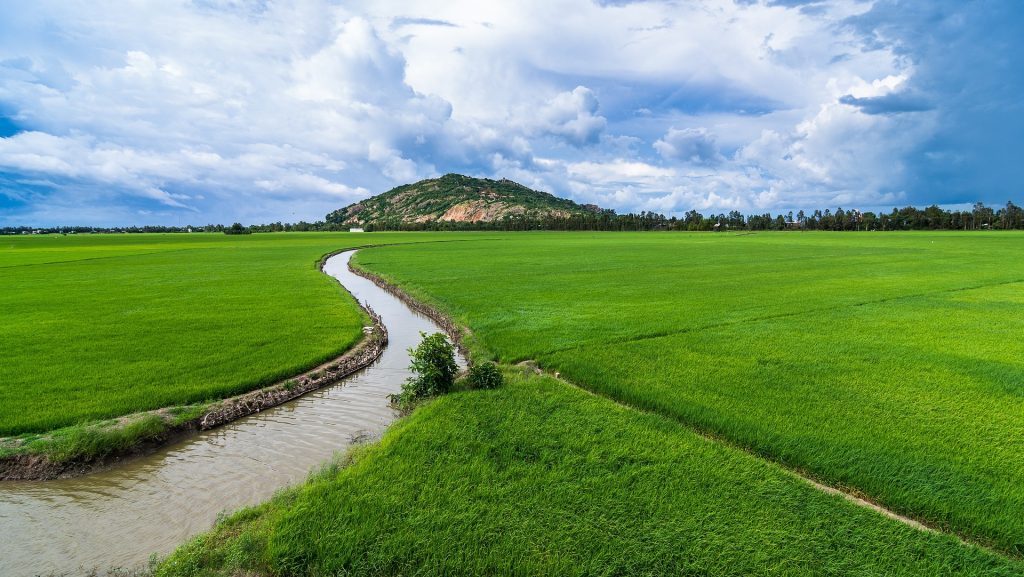
Water plays a pivotal role in paddy cultivation, and effective water management is essential for a successful harvest. Many rice varieties are grown in flooded fields, a practice known as puddling. This helps control weeds, provides essential nutrients, and aids in regulating soil temperature. Water levels are carefully monitored throughout the growing season, with periodic flooding and draining to support different growth stages, such as germination, vegetative growth, and flowering.
- Nutrient Application:
To ensure optimal growth and yield, fertilizers are applied by farmers strategically at various stages of paddy cultivation. Nitrogen, phosphorus, and potassium are key nutrients that contribute to the development of robust rice plants. The timing and method of nutrient application may vary based on local conditions, crop variety, and the specific needs of the rice plants during different growth phases.
- Weed and Pest Management:
Weed and pest control are ongoing challenges in paddy cultivation. Farmers employ a combination of manual and chemical methods to manage weeds that can compete with rice plants for nutrients and hinder their growth. Additionally, various pests, such as insects and rodents, pose threats to the rice crop. Integrated pest management practices, including the use of natural predators and selective pesticide application, are crucial for minimizing crop damage and ensuring a healthy harvest.
- Maturation and Harvesting:
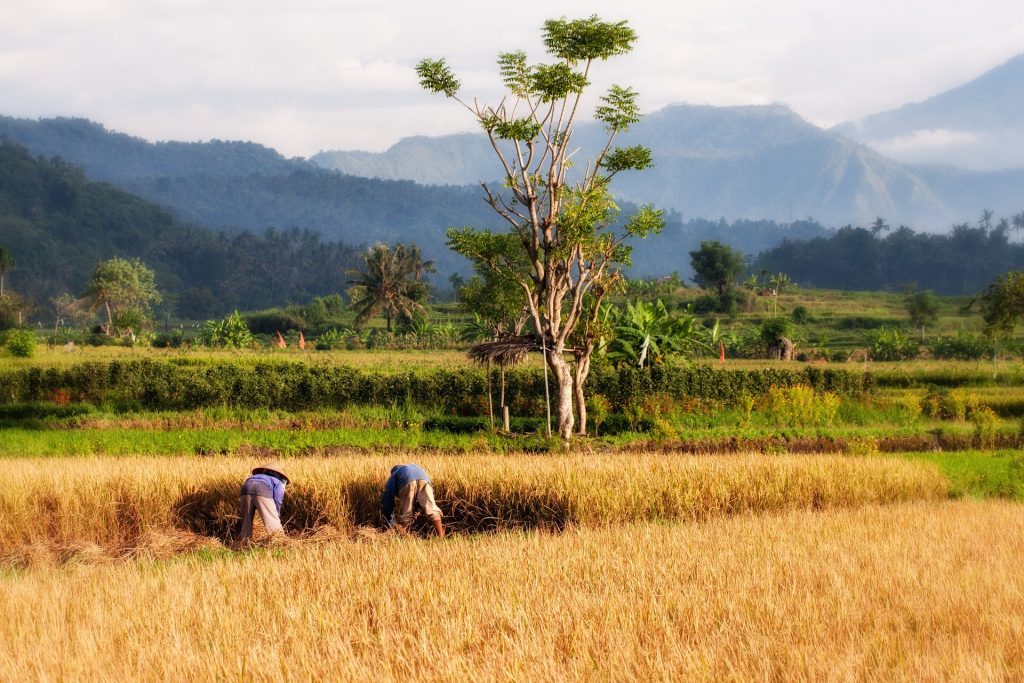
The culmination of the paddy cultivation cycle arrives with the maturation of the rice plants. The readiness for harvesting is signified by the golden fields of ripened rice. The timing of harvesting is crucial, as it directly impacts the quality and quantity of the yield. Traditional hand harvesting or modern machinery may be employed, depending on the scale of cultivation and available resources.
- Drying and Threshing:
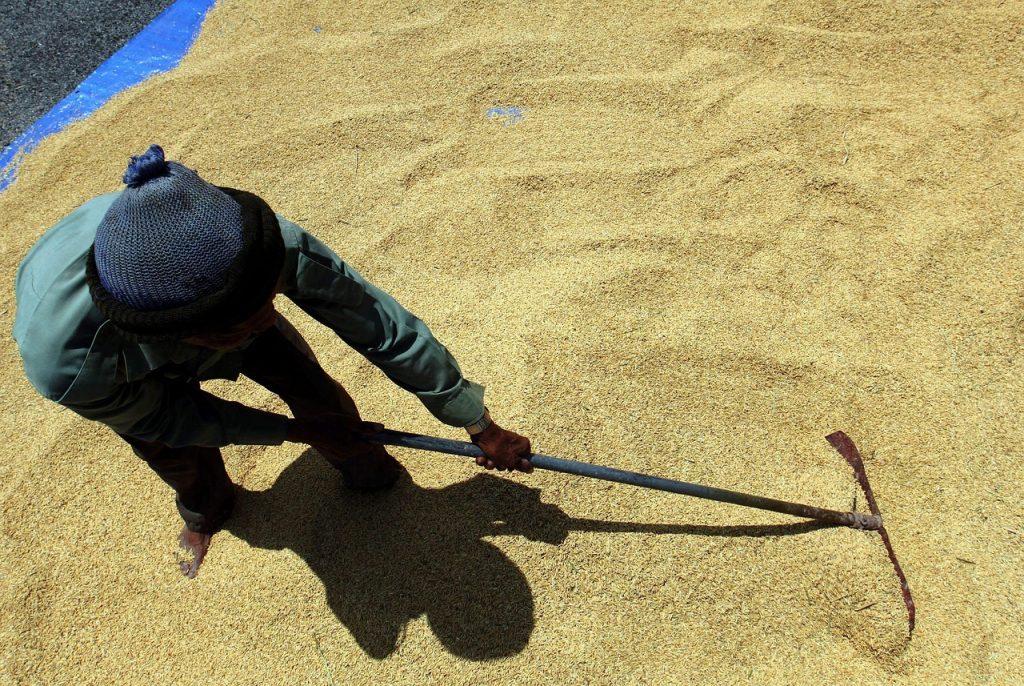
After harvesting, the rice crop undergoes a drying process to reduce moisture content. This is essential for preventing mold growth and ensuring the longevity of the grains. Threshing follows, where the grains are separated from the husks. While traditional methods involve manual threshing, modern machinery has streamlined this process, increasing efficiency and reducing labor requirements.
- Milling and Packaging:
The final stages of paddy cultivation involve milling and packaging the harvested rice. Milling removes the remaining husk, bran, and germ layers to produce polished white rice. Depending on the market demand, rice may be further processed into various forms such as brown rice or parboiled rice. The processed rice is then packaged for distribution and consumption.
Conclusion:
Paddy cultivation is a harmonious interplay of nature and human intervention, showcasing the resilience of agricultural practices that have sustained communities for generations. The stages of paddy cultivation, from land preparation to milling and packaging, exemplify the intricate knowledge and expertise required for a successful harvest. As agriculture continues to evolve with technological advancements, the time-honored traditions of paddy cultivation remain a cornerstone of global food security, providing sustenance for millions around the world.