



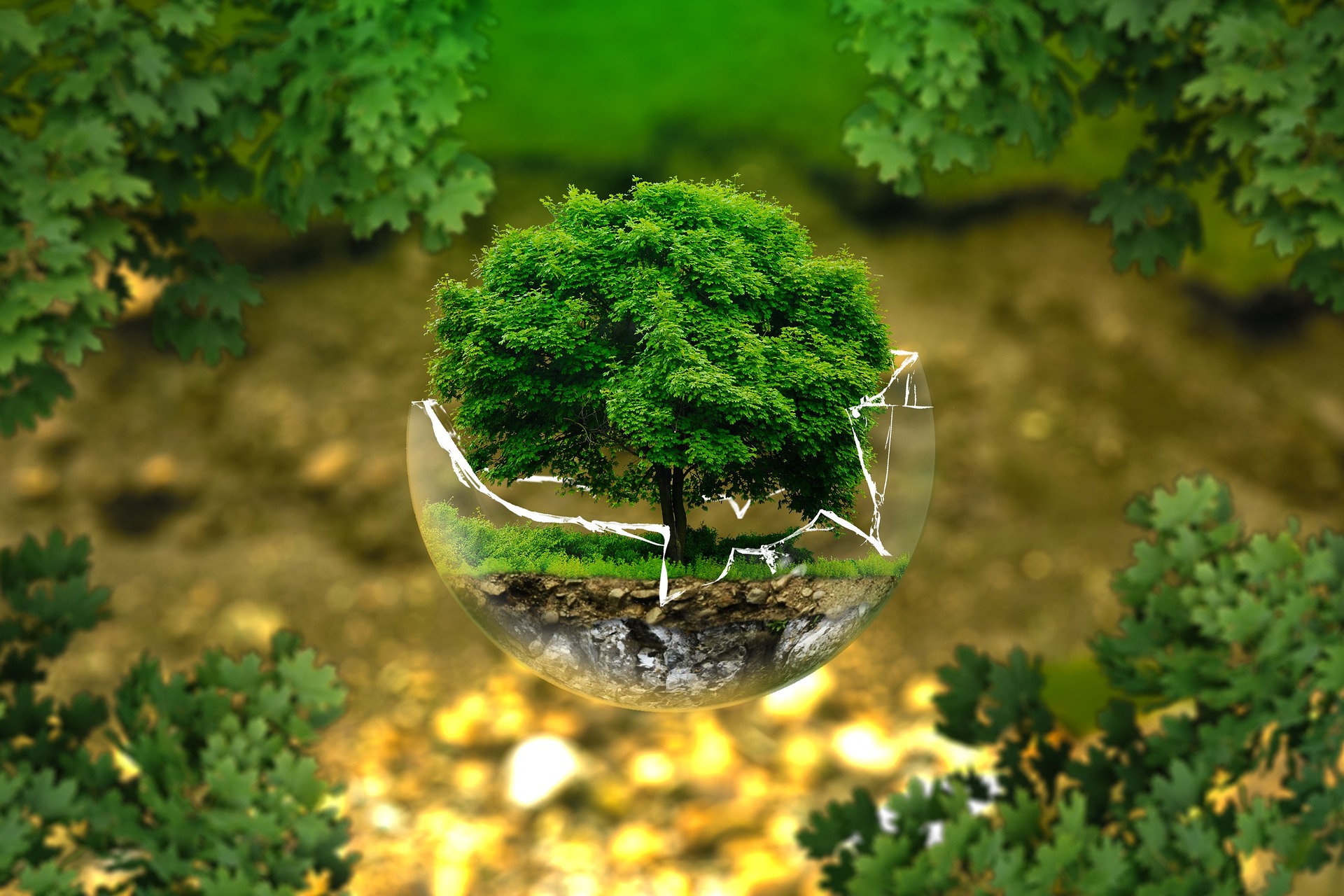
Bonsai, the ancient Japanese art of cultivating miniature trees, has captivated enthusiasts for centuries. These tiny, carefully crafted trees are not only aesthetically pleasing but also symbolize the delicate balance between nature and human intervention. Cultivating a healthy and thriving bonsai tree requires a combination of artistic finesse and horticultural knowledge. In this guide, we will explore the key aspects of bonsai tree care to ensure that these living artworks flourish in their diminutive form.
Selecting the Right Bonsai Tree:
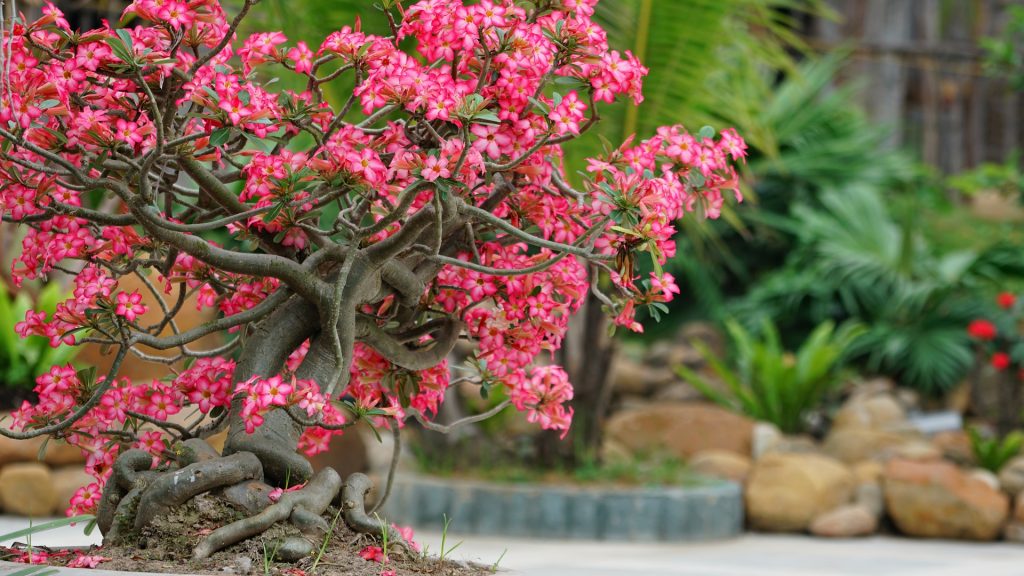
The first crucial step in successful bonsai cultivation is choosing the right tree. Different species have varying requirements regarding light, temperature, and humidity. Beginners often find success with hardy species such as the Ficus or Chinese Elm, which are more forgiving of slight deviations in care. More advanced enthusiasts may opt for challenging varieties like the Japanese Maple or Pine.
Pot Selection and Repotting:
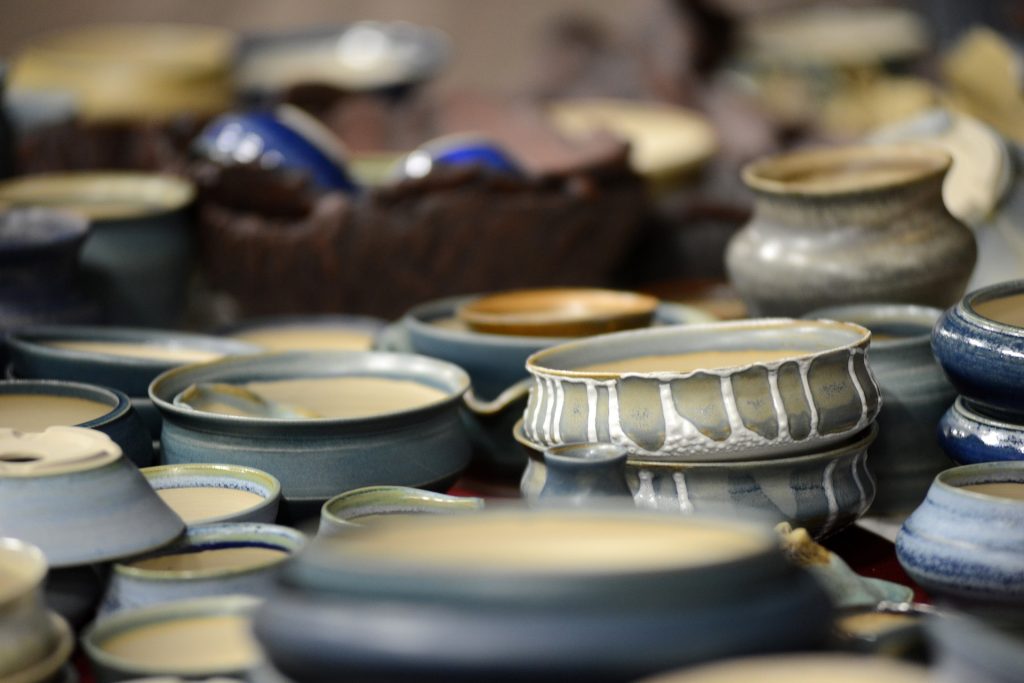
Selecting an appropriate pot for your bonsai is not just a matter of aesthetics; it also influences the tree’s growth and health. adequate drainage holes should have to be present in bonsai pots to prevent waterlogging, and the size should complement the tree’s proportions. Repotting is a fundamental aspect of bonsai care, typically done every 2-3 years to refresh the soil, trim roots, and encourage optimal growth.
Soil Composition:
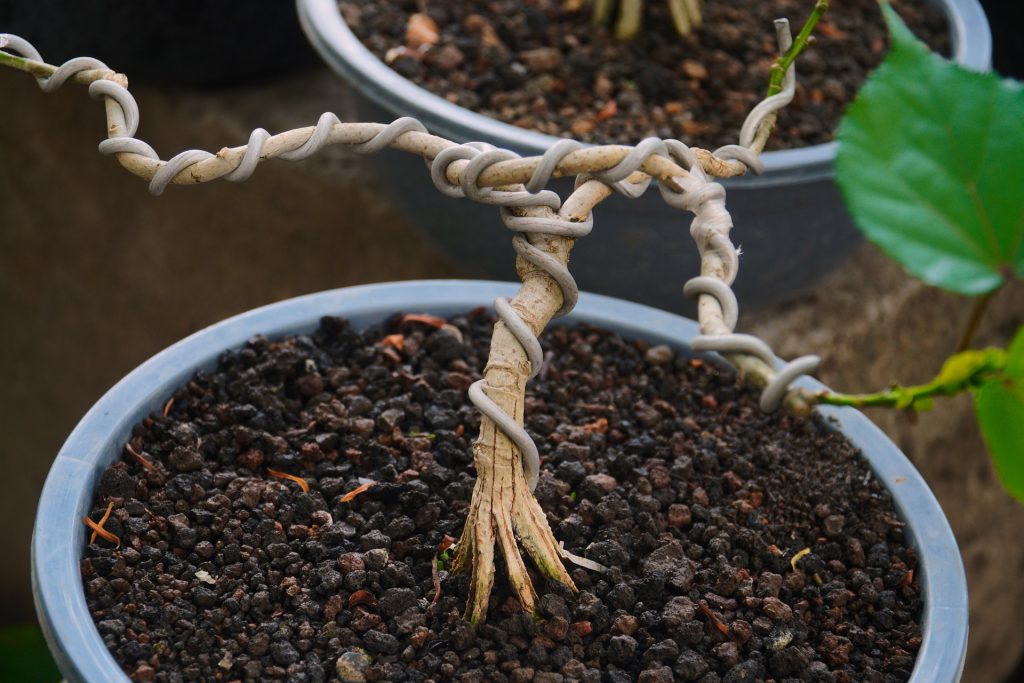
Bonsai trees have specific soil needs to ensure proper aeration and drainage. A well-draining bonsai soil mix, often a combination of akadama, pumice, and lava rock, provides the necessary balance of water retention and aeration. the replenishment of nutrients in the soil is allowed by regularly repotting the bonsai and thus promotes the overall health of the tree.
Watering Techniques:
Watering is a delicate balance in bonsai care. Overwatering can lead to root rot, while underwatering may result in the tree’s dehydration. Based on factors such as the tree species, climate, and pot size, the frequency of watering varies. The “soak and dry” method is commonly employed, where the bonsai is watered thoroughly until water drains from the bottom, and then the soil is allowed to dry slightly before the next watering.
Light and Temperature Considerations:
Proper light exposure is essential for the bonsai’s photosynthesis and overall health. Most bonsai trees thrive in bright, indirect light, but the specific requirements can vary among species. Monitoring the light conditions and adjusting the placement of the bonsai accordingly is crucial. Similarly, maintaining consistent temperatures within the appropriate range for the specific tree species is vital for its well-being.
Pruning and Shaping:
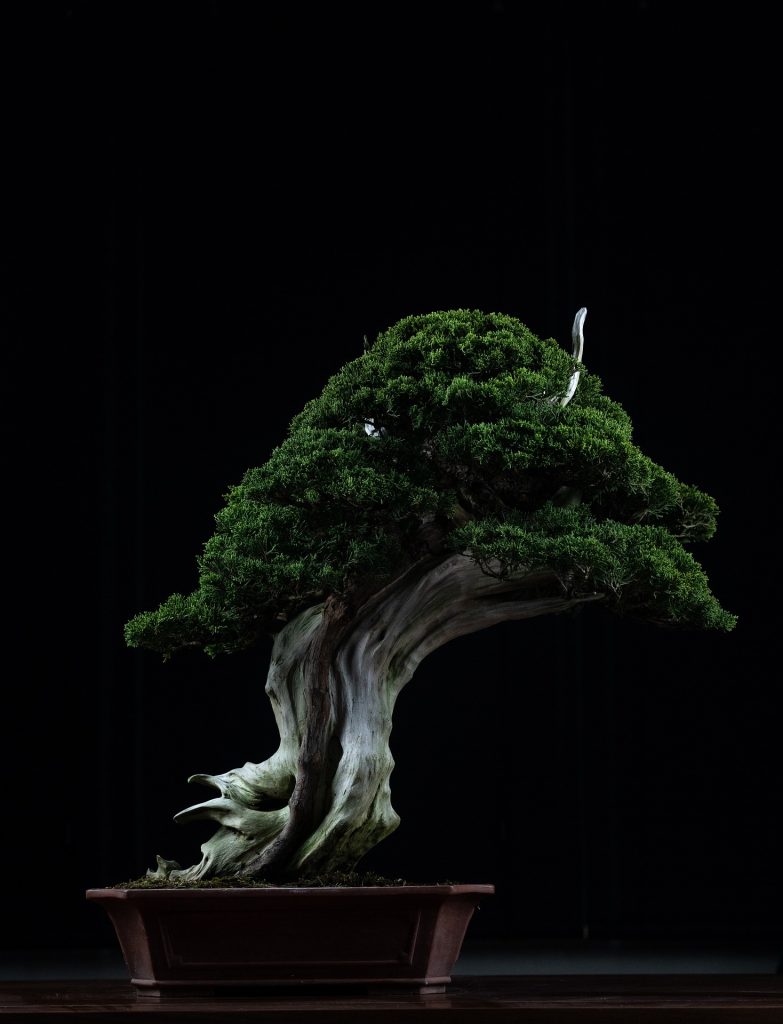
Pruning is an art form in bonsai cultivation, helping to maintain the tree’s miniature proportions and aesthetic appeal. Branching is encouraged by regular pruning and it enhances the tree’s overall shape and removes dead or unhealthy growth. Wiring is another technique used to shape the bonsai by gently guiding branches into desired positions. Patience is key, as shaping a bonsai takes time, and drastic measures should be avoided to prevent stressing the tree.
Fertilization:
Regular fertilization is required for bonsai trees to replenish nutrients depleted from the soil during watering and to support healthy growth. Balanced liquid or granular fertilizers formulated for bonsai use are readily available. However, it is crucial to follow a consistent fertilization schedule and adjust the dosage based on the tree’s growth stage and seasonal variations.
Pest and Disease Management:
Just like their larger counterparts, bonsai trees are susceptible to pests and diseases. Regularly inspecting the foliage and branches for signs of infestation, such as discolored leaves or unusual growths, is crucial. Using insecticidal soap or neem oil for common pests and implementing proper hygiene practices can help prevent the spread of diseases.
Conclusion:
Caring for a bonsai tree is a rewarding endeavor that requires a combination of artistic vision and horticultural knowledge. From selecting the right tree to mastering pruning techniques and maintaining optimal environmental conditions, each aspect contributes to the overall well-being and aesthetic appeal of these miniature masterpieces. With dedication, patience, and a keen understanding of bonsai care, enthusiasts can enjoy the timeless beauty of these living artworks for years to come.