Henna, derived from the Lawsonia inermis plant, has been used for centuries as a natural dye for hair, skin, and nails. This ancient tradition, known as mehndi, has gained popularity worldwide for its intricate body art applications. One key ingredient in creating stunning henna designs is the henna powder. In this guide, we will explore the art of preparing henna powder at home, offering an eco-friendly and customizable alternative to commercial products.
Understanding the Basics:
Before delving into the process of making henna powder at home, it’s essential to understand the basics of henna and its properties. a natural pigment called lawsone is contained in the henna leaves and which imparts a reddish-brown stain when activated. The fresher the henna, the higher the lawsone content, resulting in a more vibrant and long-lasting stain.
Selecting Quality Henna Leaves:
It is crucial to Choose the right henna leaves for a successful homemade henna powder. Opt for fresh, green leaves, as they contain higher levels of lawsone. Better try to avoid leaves that appear yellowed or dried, as they may have lost their potency. If possible, source organic henna leaves to ensure a chemical-free product.
Harvesting Henna Leaves:
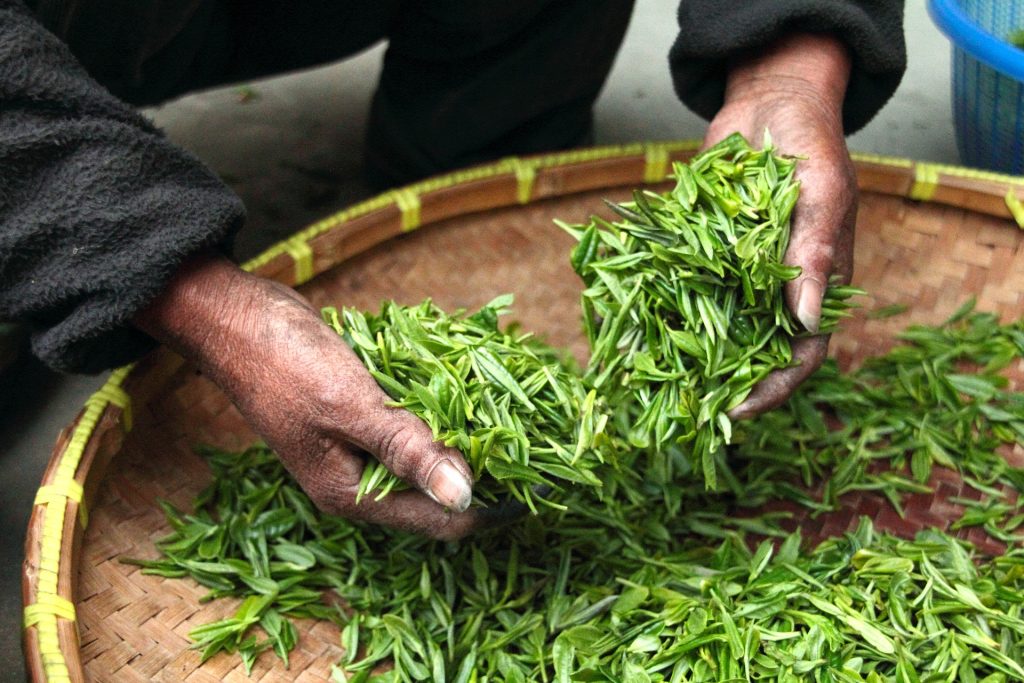
For those fortunate enough to have access to a henna plant, harvesting leaves is the first step. Highest concentration of lawsone is contained in the mature leaves and try to choose it for henna powder preparation. Use clean scissors to snip the leaves, being careful not to damage the plant. Harvesting should be done sparingly to allow the plant to regenerate and continue producing leaves.
Drying the Leaves:
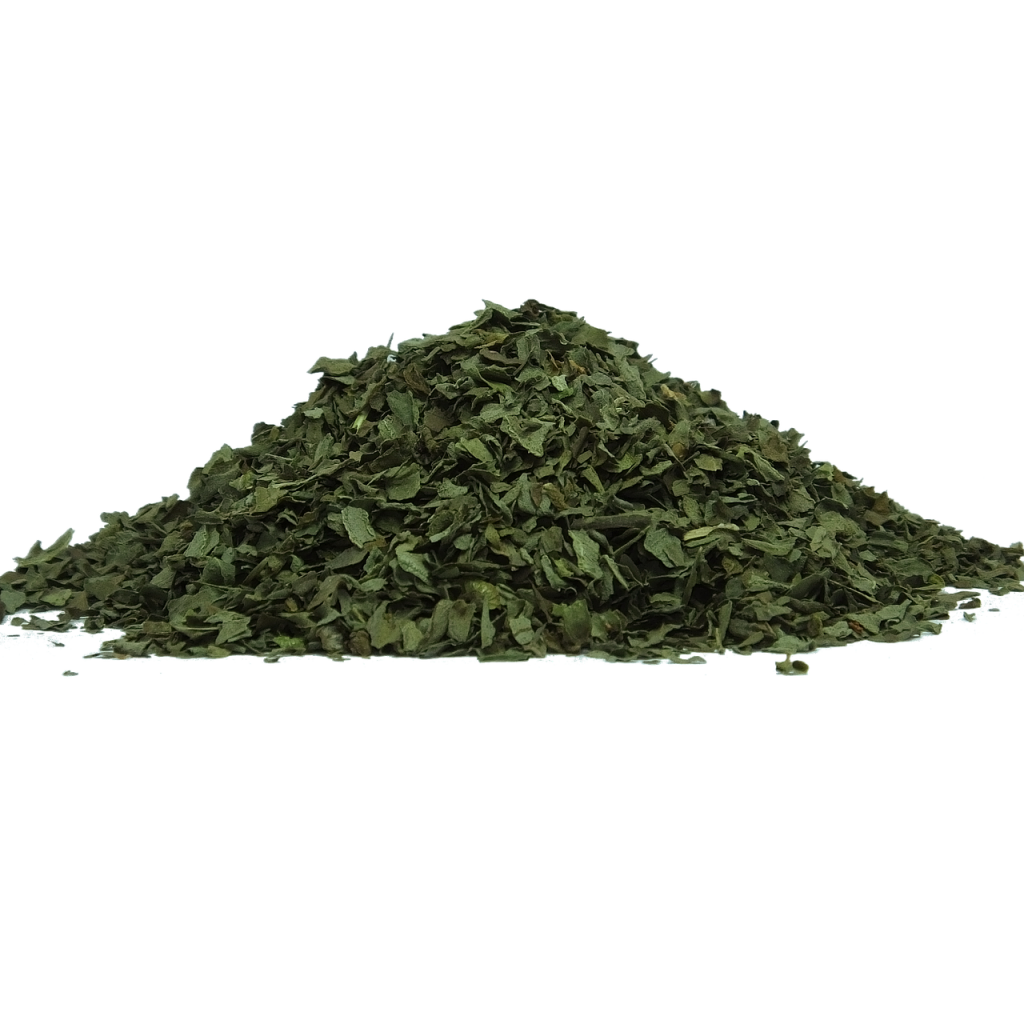
Once harvested, the henna leaves need to be dried thoroughly to create a fine powder. Spread the leaves in a single layer on a clean, dry surface, ensuring good air circulation. Allow them to air dry for several days or until the leaves become crisp and easily crumble. Using artificial heat sources may degrade the lawsone content, so try to avoid its use.
Grinding the Dried Leaves:
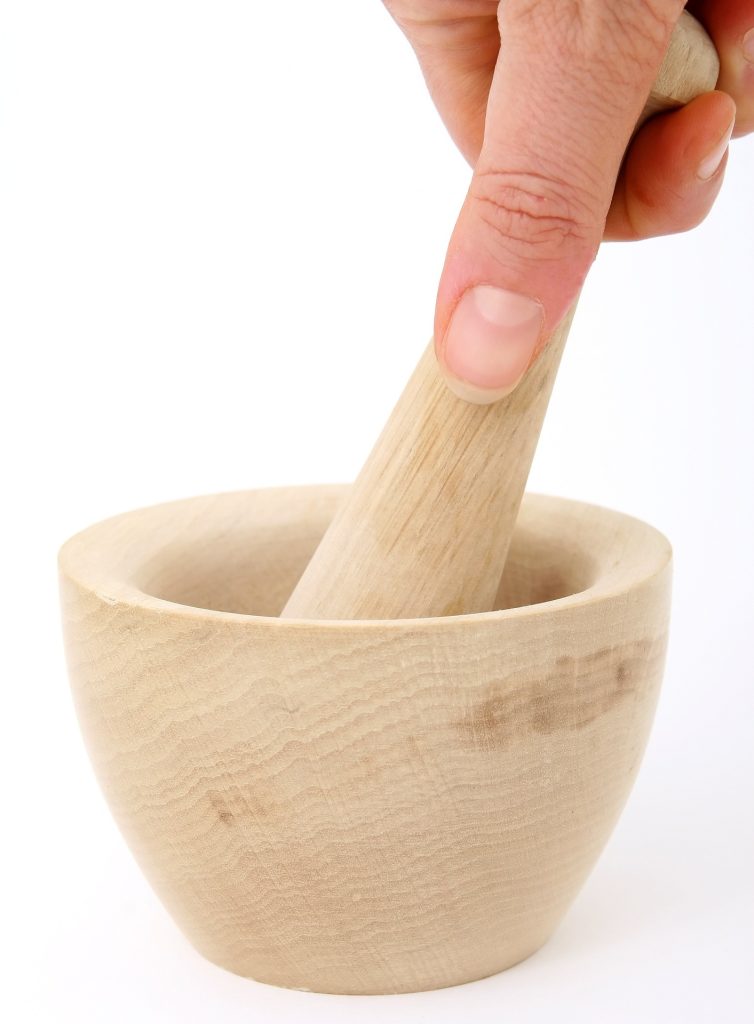
Grinding the dried leaves into a fine consistency is the next step in preparing henna powder. Use a mortar and pestle or a dedicated spice grinder to achieve the desired texture. A finer powder will result in a smoother paste and more intricate designs. Take breaks during the grinding process to prevent overheating, which could potentially decrease the potency of the henna.
Sifting the Powder:
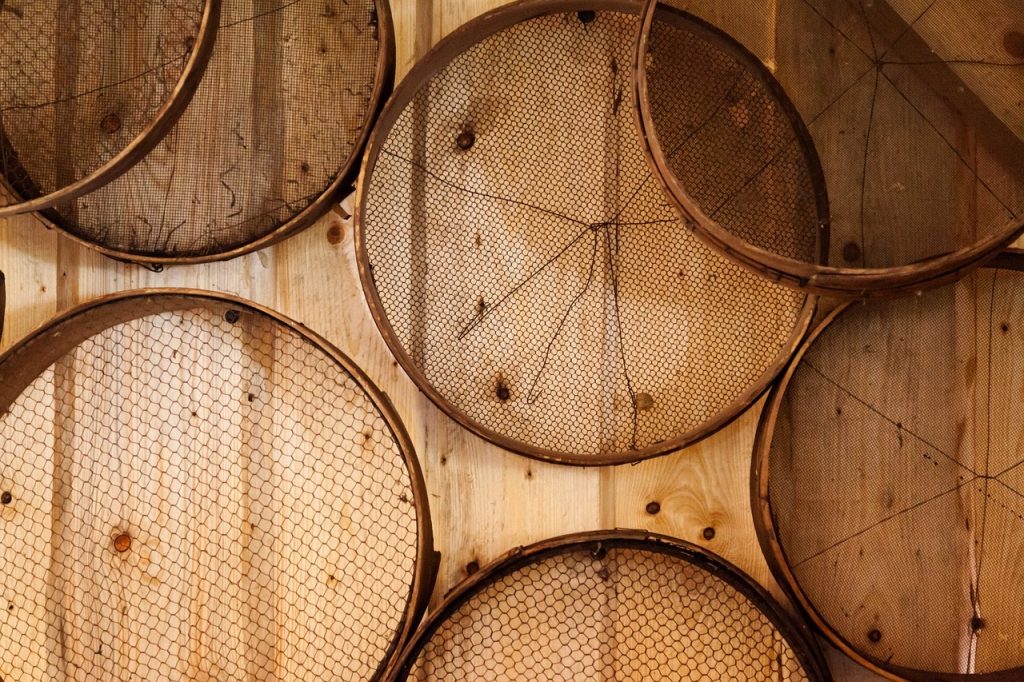
To ensure a silky-smooth henna paste, it’s recommended to sift the freshly ground powder. This step helps remove any coarse particles, resulting in a finer and more even texture. Sift the powder into a clean, dry container using a fine-mesh sieve or a piece of muslin cloth. Discard any remaining coarse particles or reprocess them for a finer consistency.
Adding Essential Oils (Optional):
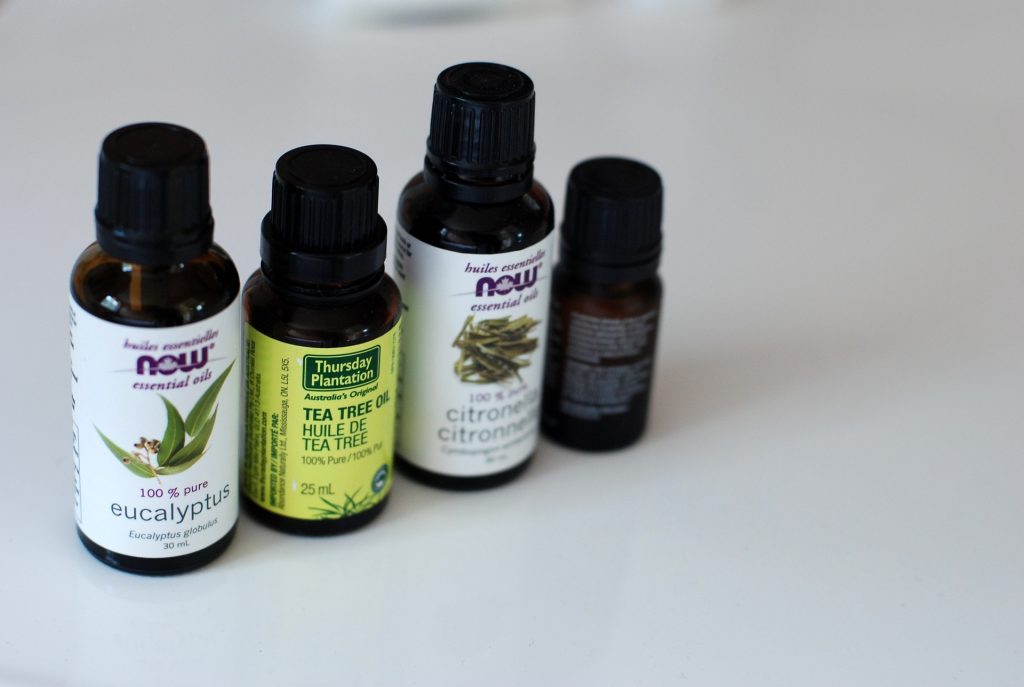
While the primary ingredient in henna powder is the lawsone-rich leaves, some enthusiasts choose to enhance their homemade henna powder by adding essential oils. Oils such as eucalyptus, tea tree, or lavender not only contribute to the overall fragrance but may also aid in releasing more lawsone for a richer stain. Mix thoroughly the henna powder after adding a few drops of the chosen essential oil.
Storing Homemade Henna Powder:
It is crucial to store the powder properly to maintain the potency of homemade henna powder. Store the powder in an airtight container, away from light and moisture. A cool, dark place, such as a pantry or cupboard, is ideal for preserving the freshness and effectiveness of the henna powder. Check the powder periodically for any signs of discoloration or a decrease in potency.
Conclusion:
Creating henna powder at home is a rewarding endeavor that allows enthusiasts to engage with the age-old tradition of mehndi in a more personal and sustainable way. By understanding the process of selecting, harvesting, drying, and grinding henna leaves, individuals can produce a high-quality powder suitable for a variety of artistic applications. Whether used for intricate body art, hair coloring, or nail embellishments, homemade henna powder adds a touch of nature’s artistry to self-expression.