





Living in a city presents unique challenges when it comes to eco-friendly practices. The density of population, limited space, and high consumption levels often contribute to environmental degradation. However, adopting eco-friendly habits in urban settings is not only possible but crucial for mitigating environmental impact. In this article, we will explore practical tips for eco-friendly living in the city.
Sustainable Transportation
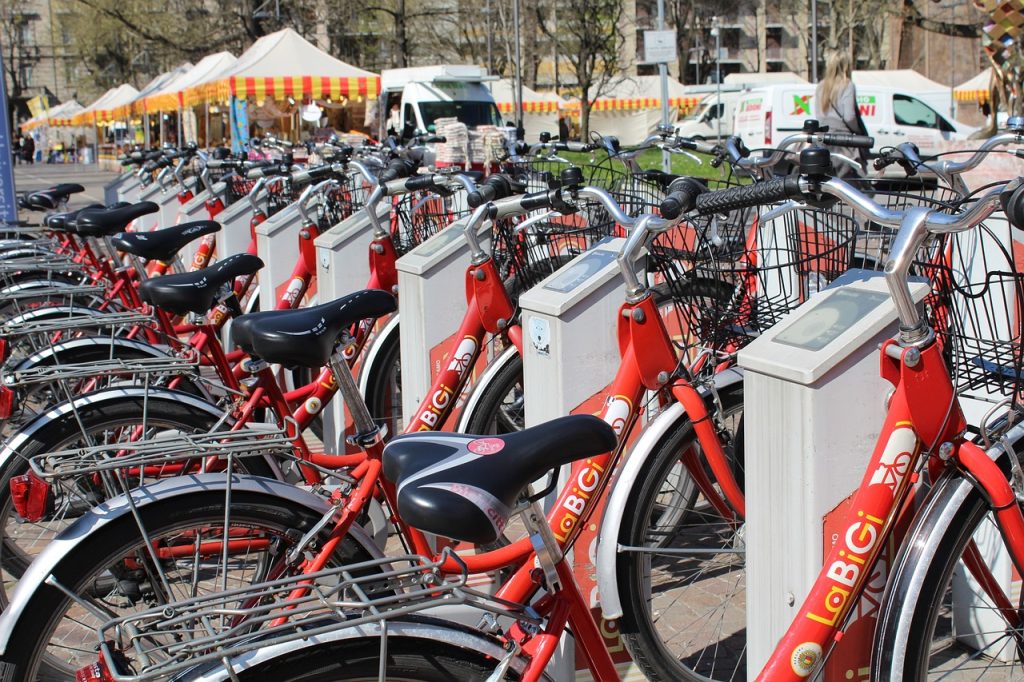
One of the most significant contributors to carbon emissions in urban areas is transportation. To reduce your carbon footprint, opt for eco-friendly modes of transportation such as walking, cycling, or using public transit whenever possible. Walking and cycling not only reduce emissions but also promote personal health and well-being. Additionally, consider carpooling or ridesharing to further minimize the environmental impact of commuting.

Energy-Efficient Practices
Cities are notorious for their high energy consumption, primarily due to the extensive use of electricity in buildings and transportation. Start by making your home more energy-efficient to reduce energy consumption. Install energy-efficient appliances, use programmable thermostats, and switch to LED lighting. Additionally, consider using renewable energy sources such as solar panels or wind turbines if feasible. Conserving energy not only reduces your environmental footprint but also saves money on utility bills.

Waste Reduction and Recycling
Vast amounts of waste are generated from urban areas, much of which ends up in landfills, contributing to pollution and greenhouse gas emissions. To minimize waste, practice the three Rs: reduce, reuse, and recycle. Avoid single-use items and opt for reusable alternatives such as water bottles, shopping bags, and containers to reduce waste. Reuse items whenever possible by repairing or repurposing them instead of discarding them. Finally, recycle materials such as paper, plastic, glass, and metal to divert them from landfills and conserve resources.

Sustainable Food Choices
Extensive transportation, packaging, and processing are often involved in the food system in cities, resulting in significant environmental impact. To reduce the environmental footprint of your diet, opt for locally sourced, organic, and seasonal foods. Support farmers markets and community-supported agriculture (CSA) programs to access fresh, sustainable produce. Additionally, reduce meat consumption and incorporate more plant-based meals into your diet, as plant-based diets generally have a lower environmental impact compared to diets rich in animal products.

Water Conservation
Water scarcity is a growing concern in many urban areas due to population growth and climate change. To conserve water, implement simple measures such as fixing leaks, installing water-efficient fixtures, and reducing water usage in daily activities such as showering and washing dishes. Collect rainwater for outdoor use, such as watering plants or washing cars, to reduce reliance on municipal water sources. Additionally, consider xeriscaping your outdoor space with drought-tolerant plants to minimize water consumption for landscaping.

Green Spaces and Urban Agriculture
Urban areas often lack green spaces, contributing to air pollution, heat islands, and loss of biodiversity. Advocate for the creation and preservation of parks, gardens, and green roofs to improve air quality, reduce urban heat, and provide habitat for wildlife. Get involved in community gardening initiatives or start your own urban garden to grow fresh produce, promote biodiversity, and foster a sense of community. Urban agriculture not only enhances food security but also reconnects city dwellers with nature and promotes sustainable living.
Conscious Consumerism
The demand for goods and services are driven by consumerism, influencing production processes and resource utilization. To minimize your environmental impact, practice conscious consumerism by choosing products that are ethically produced, durable, and made from sustainable materials. Support companies that prioritize environmental sustainability, fair labor practices, and social responsibility. Consider the lifecycle of products, from production to disposal, and opt for items that have minimal environmental impact throughout their lifecycle.
Community Engagement and Advocacy
Collective action and advocacy are required for creating meaningful change in urban sustainability. Get involved in local environmental initiatives, volunteer for clean-up efforts, and participate in community forums and workshops on sustainability. Advocate for environmentally friendly policies and infrastructure improvements in your city, such as expanding public transit, implementing bike lanes, and investing in renewable energy. By engaging with your community and advocating for sustainable practices, you can contribute to building a greener, more resilient city for future generations.
Conclusion
Living eco-friendly in the city is not without its challenges, but with conscious effort and collective action, it is possible to minimize environmental impact and promote sustainability. By adopting sustainable transportation, energy-efficient practices, waste reduction strategies, and conscious consumerism, individuals can make a significant difference in their urban environment. Additionally, a crucial role is played by community engagement, advocacy, and the promotion of green spaces and urban agriculture in building resilient and sustainable cities for the future. Let us each do our part in creating a more eco-friendly and livable urban environment.