




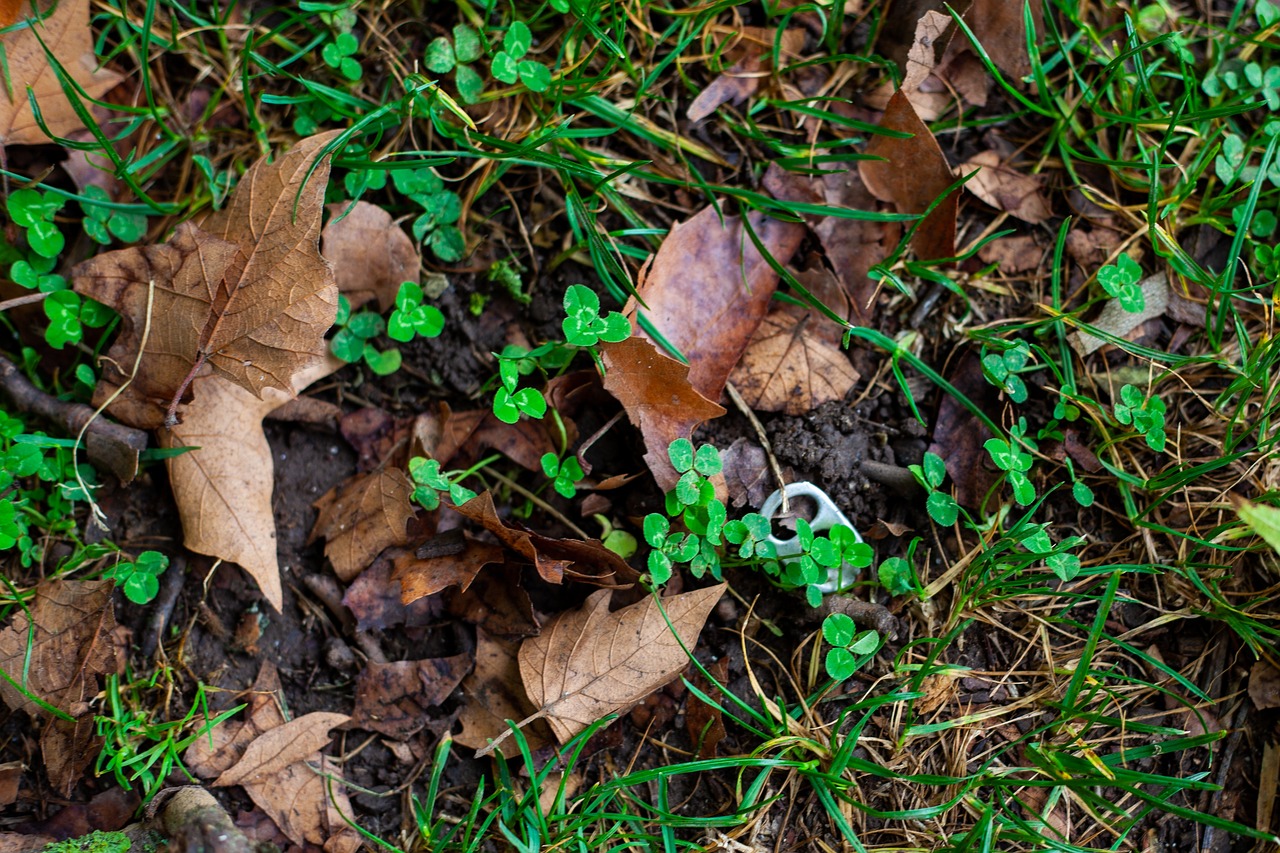
Soil, the silent nurturer of life, plays a pivotal role in sustaining ecosystems and supporting agricultural productivity. However, the insidious issue of soil pollution has emerged as a formidable threat to this essential resource. As human activities intensify, the causes of soil pollution become more pronounced, resulting in widespread environmental degradation. This article explores the multifaceted causes of soil pollution, shedding light on the various human-driven factors that contribute to this alarming global concern.
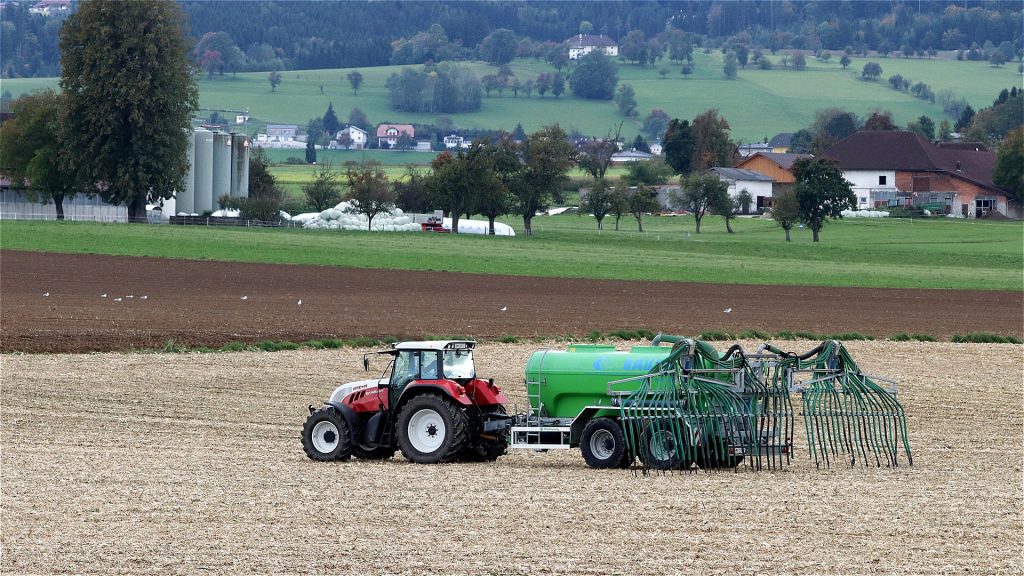
- Agricultural Practices:
Agriculture, a cornerstone of human civilization, is also a major contributor to soil pollution. The use of chemical fertilizers, pesticides, and herbicides has become common place in modern farming. While these inputs boost crop yields, they come at a cost to soil health. Excessive and improper application of agrochemicals can lead to the accumulation of harmful residues in the soil. Over time, these chemicals may seep into groundwater, disrupting the delicate balance of the ecosystem.
Moreover, monoculture practices, where a single crop is cultivated repeatedly in the same area, deplete the soil of essential nutrients and make it vulnerable to erosion. The compounding effects of these agricultural practices contribute significantly to soil pollution, affecting both the quality and fertility of the soil.

- Industrial Activities:
Rapid industrialization, a hallmark of modern society, brings with it a host of pollutants that find their way into the soil. The soil is contaminated by industrial discharges containing heavy metals, solvents, and other toxic chemicals, posing a severe threat to environmental health. Improper disposal of industrial waste, leakage from storage tanks, and accidental spills exacerbate the problem.
Heavy metals such as lead, mercury, and cadmium are particularly concerning, as they persist in the soil for extended periods and can accumulate in the food chain. The consequences of industrial soil pollution extend beyond the immediate vicinity, affecting ecosystems, wildlife, and ultimately, human health.
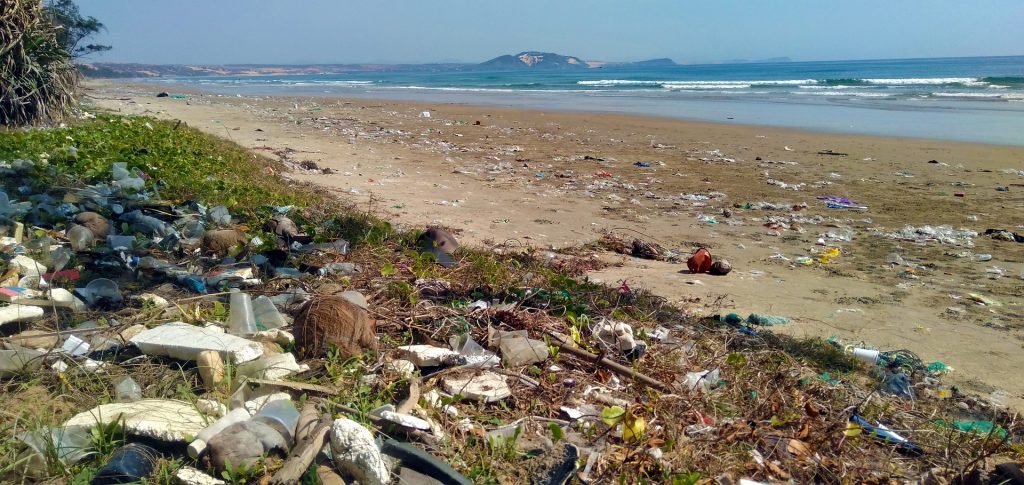
- Improper Waste Management:
Inadequate waste management practices contribute significantly to soil pollution. Improper disposal of solid waste, including plastics, electronic waste, and household garbage, can lead to the release of harmful substances into the soil. Landfills, if not properly designed and managed, can leach pollutants into the surrounding soil and groundwater, contaminating the environment over time.
Toxic chemicals are released into the air by the burning of solid waste, a common practice in some regions, which can then settle on the soil. This process, known as atmospheric deposition, introduces pollutants such as polycyclic aromatic hydrocarbons (PAHs) into the soil, further contributing to its degradation.
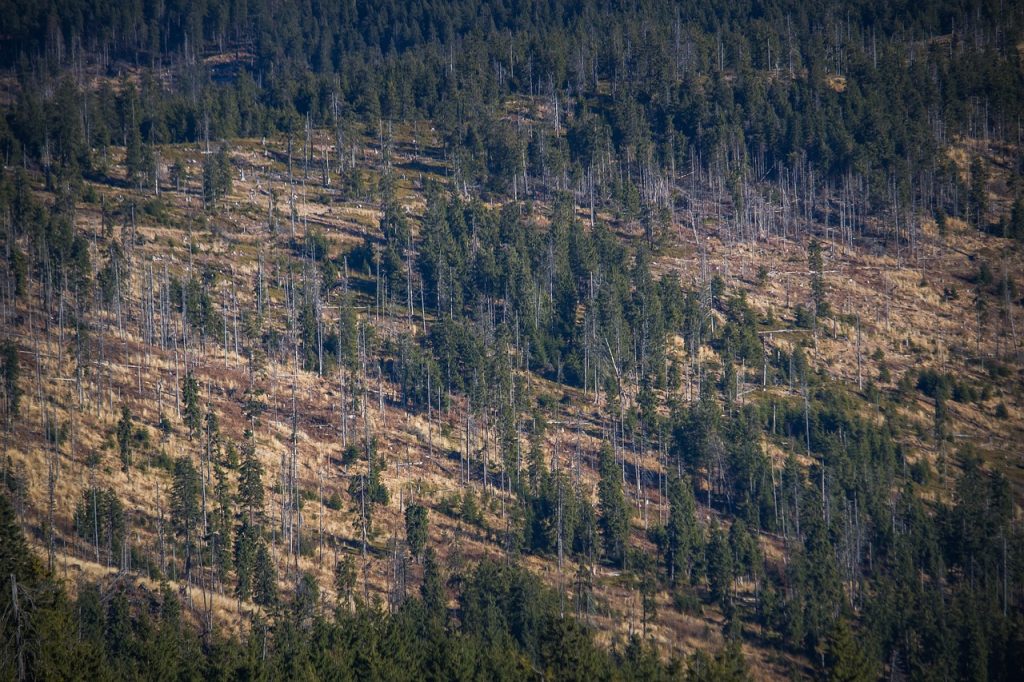
- Deforestation and Land Degradation:
The relentless pace of deforestation and land degradation is another significant factor driving soil pollution. A crucial role is played by trees and vegetation in maintaining soil structure and preventing erosion. When large tracts of land are cleared for agriculture, urbanization, or logging, the protective cover is lost, leaving the soil vulnerable to erosion by wind and water.
Erosion not only removes the topsoil, which is rich in nutrients, but also exposes the underlying soil to potential contamination. In addition, the natural processes that help filter and purify water before it reaches the soil is disrupted by deforestation. The cumulative impact of deforestation and land degradation contributes to soil pollution on a global scale.
- Atmospheric Deposition:
Airborne pollutants, carried by wind and precipitation, can settle on the soil surface in a process known as atmospheric deposition. A wide range of contaminants is introduced by this form of pollution, including heavy metals, pesticides, and industrial chemicals, into the soil. These pollutants may originate from distant sources, emphasizing the interconnectedness of environmental systems.
As human activities release pollutants into the atmosphere, they can be transported over long distances before settling on the soil. This phenomenon not only affects rural areas but also urban environments, highlighting the pervasive nature of soil pollution and the need for comprehensive strategies to address its causes.
Conclusion:
A serious threat is possessed by soil pollution which results as a consequence of human actions to the health of ecosystems, biodiversity, and human populations. The causes of soil pollution are diverse and interconnected, stemming from agricultural practices, industrial activities, improper waste management, deforestation, and atmospheric deposition. Recognizing the multifaceted nature of soil pollution is essential for developing effective strategies to mitigate its impact and preserve this vital resource for future generations. Addressing the root causes through sustainable agricultural practices, responsible industrial management, and improved waste disposal methods is crucial for safeguarding the health of our soils and the well-being of the planet as a whole.