




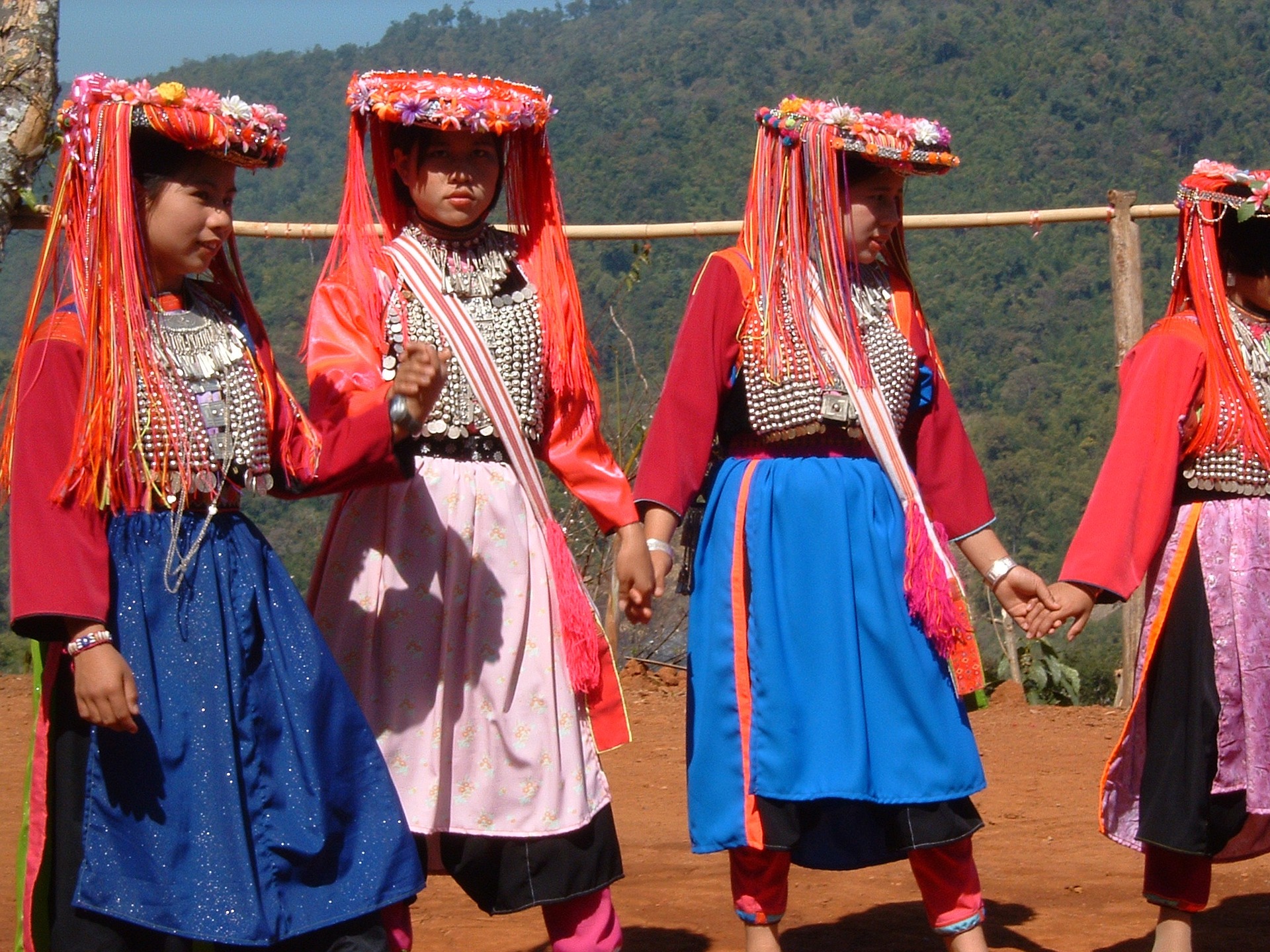
India, often celebrated for its diverse and vibrant culture, is home to a multitude of indigenous communities, collectively referred to as tribes or Adivasis. These Indian tribes, spread across the vast expanse of the country, contribute significantly to the nation’s cultural mosaic. With distinctive languages, customs, and traditions, these tribes play a crucial role in preserving India’s rich heritage. This exploration delves into the unique characteristics, challenges, and the importance of safeguarding the cultural legacy of Indian tribes.
Diversity in Unity:
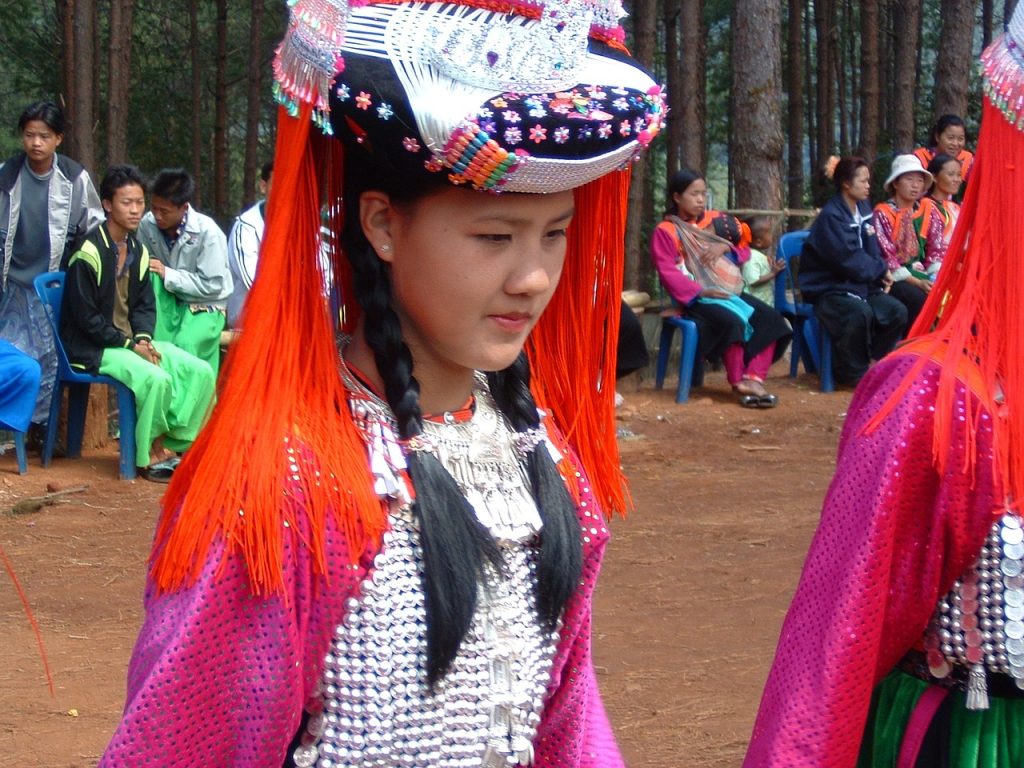
India’s tribal communities are spread across various states, each boasting its own set of distinct tribes. From the Gonds of Central India to the Bhils of Rajasthan and the Santhals of West Bengal, the diversity among Indian tribes is immense. Despite their geographical dispersion, common threads of culture are shared by these tribes, with a deep connection to nature, spirituality, and communal living.
Languages, Art, and Traditions:
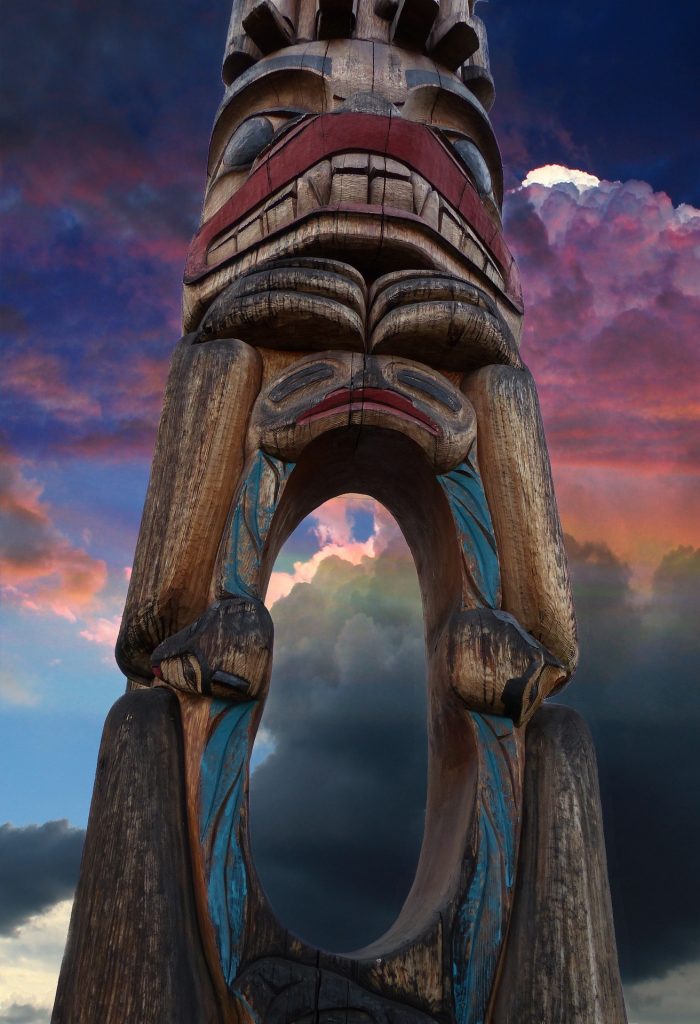
The linguistic diversity among Indian tribes is fascinating, with hundreds of languages spoken across the tribal belts. Each tribe’s language is a testament to their unique identity, passed down through generations. Additionally, the artistic expressions of these tribes are captivating, encompassing a wide array of crafts, music, and dance forms. Warli paintings, made by the Warli tribe in Maharashtra, and the vibrant dance forms of the Nagas in the Northeast are just a glimpse of the artistic richness embedded in tribal cultures.
Communal Living and Traditional Wisdom:
communal living is often practiced by Indian tribes, fostering a strong sense of community and kinship. The collective wisdom of these communities is rooted in sustainable living practices, harmonious coexistence with nature, and a deep understanding of the ecosystems they inhabit. Traditional agricultural practices, medicinal knowledge, and unique social structures contribute to the resilience and sustainability of these tribes.
Challenges Faced by Indian Tribes:
Despite their invaluable contributions to India’s cultural tapestry, numerous challenges that threaten the way of life was faced by many Indian tribes. Economic marginalization, displacement due to development projects, and inadequate access to education and healthcare are some of the pressing issues confronting tribal communities. Land rights, in particular, are a contentious matter, with many tribes struggling to retain control over their ancestral lands.
In addition to external pressures, there is also an internal struggle for preserving cultural identity. The encroachment of mainstream culture, migration, and the allure of modernization pose a threat to the continuity of traditional practices and languages. As younger generations increasingly adopt mainstream lifestyles, there is a risk of losing the unique cultural heritage that has defined these tribes for centuries.
Importance of Preserving Tribal Culture:
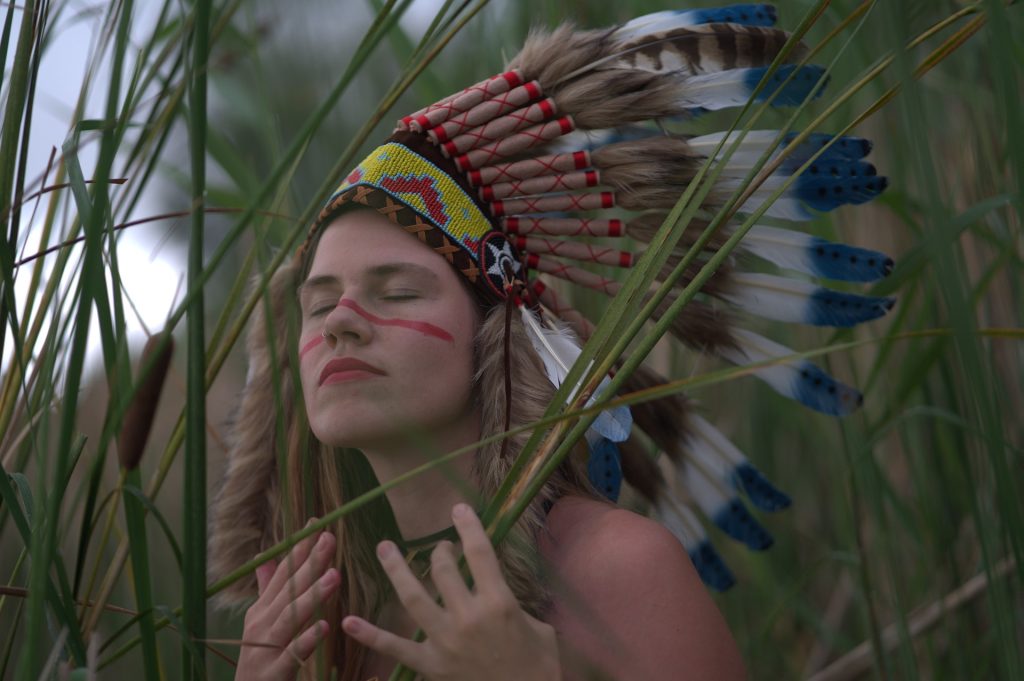
The preservation of Indian tribal cultures is not just a matter of cultural heritage but also a crucial element in maintaining biodiversity and sustainable living practices. Many tribal communities have lived in harmony with their natural surroundings for centuries, acquiring a deep understanding of ecological balance. Preserving their traditional knowledge is essential for addressing contemporary environmental challenges and promoting sustainable development.
Furthermore, the overall cultural richness of the nation is contributed by the diversity of Indian tribes. The coexistence of various ethnic groups, each with its distinct identity, fosters a pluralistic society that celebrates differences. This diversity is not only a source of national pride but also a reservoir of knowledge, traditions, and artistic expressions that enrich the collective human experience.
Government Initiatives and Community Empowerment:
Recognizing the significance of preserving tribal cultures, various initiatives aimed at the welfare and empowerment of tribal communities has been implemented by the Indian government. Policies addressing land rights, education, healthcare, and economic opportunities are being formulated to uplift these marginalized communities. Efforts are also underway to involve tribal communities in decision-making processes that directly impact their lives, promoting a more inclusive and participatory approach.
Non-governmental organizations (NGOs) and grassroots movements play a vital role in advocating for the rights of Indian tribes. By raising awareness, providing support, and facilitating community-led initiatives, these organizations contribute to the resilience and empowerment of tribal communities.
Conclusion:
The diversity and richness of Indian tribes contribute immeasurably to the cultural heritage of the nation. Preserving their unique languages, traditions, and knowledge is not just a matter of cultural conservation but also essential for addressing contemporary challenges and fostering sustainable development. As India continues to progress, it is imperative to ensure that the tapestry of tribal cultures remains an integral part of the nation’s identity, creating a harmonious blend of tradition and modernity. Through collaborative efforts, including government policies, community empowerment, and public awareness, India can navigate the delicate balance between progress and cultural preservation, ensuring a vibrant future for its indigenous communities.