




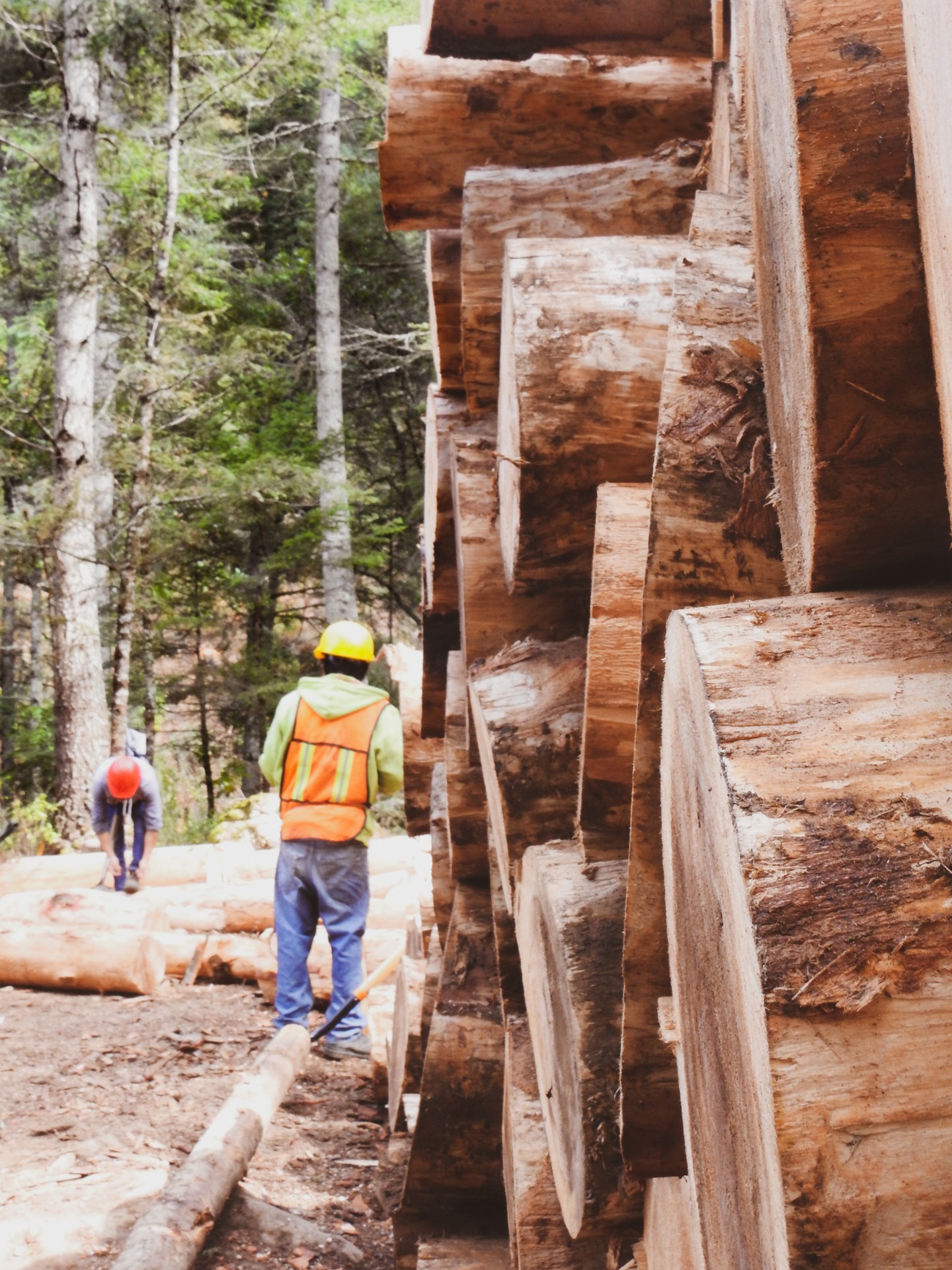
Deforestation, the widespread clearing of forests for various purposes, stands as a pivotal environmental issue with far-reaching consequences for our planet. The intricate relationship between deforestation and climate change has become increasingly evident, emphasizing the urgent need for comprehensive solutions. As the global population continues to grow, demands for land, agriculture, and resources intensify, amplifying the impact of deforestation on climate patterns, biodiversity, and overall ecological balance.

The Carbon Conundrum:
a crucial role is played by forests in mitigating climate change by acting as carbon sinks. Carbon dioxide is absorbed by trees during photosynthesis, converting it into oxygen and storing carbon in their biomass. When forests are cleared, this carbon is released back into the atmosphere, contributing significantly to the greenhouse gas effect. Deforestation, therefore, exacerbates the rise in atmospheric carbon levels, intensifying global warming and climate change. As we witness unprecedented changes in weather patterns, rising temperatures, and extreme events, the role of deforestation in this complex equation becomes increasingly undeniable.
Biodiversity Loss:
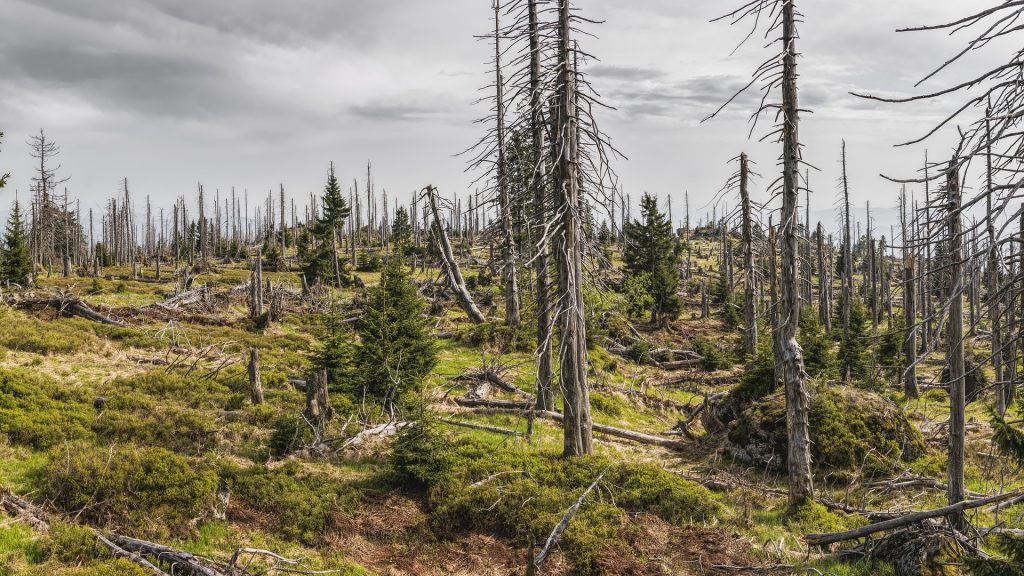
Beyond its impact on climate, deforestation poses a grave threat to global biodiversity. Forests are home to a staggering array of plant and animal species, many of which are uniquely adapted to specific ecosystems. As these habitats are destroyed, the risk of extinction is faced by countless species, disrupting ecological balance and diminishing the overall resilience of ecosystems. The interconnectedness of biodiversity and climate is evident, as greater adaptability to environmental changes is often exhibited by diverse ecosystems, providing a buffer against the impacts of climate change.
Feedback Loops and Tipping Points:
The relationship between deforestation and climate change is not linear; it involves intricate feedback loops that can push ecosystems beyond critical tipping points. One such example is the Amazon rainforest, often referred to as the “lungs of the Earth.” As deforestation accelerates, the capacity of the rainforest to generate its own rainfall diminishes, leading to a self-reinforcing cycle of drier conditions and increased susceptibility to wildfires. This not only releases vast amounts of stored carbon but also jeopardizes the entire ecosystem, potentially transforming the Amazon from a lush rainforest into a savannah with dire consequences for global climate stability.

Economic Impacts and Sustainable Alternatives:
While deforestation is often driven by economic activities such as logging, agriculture, and urbanization, its long-term economic impacts are often underestimated. Degraded ecosystems are less productive, leading to reduced agricultural yields, water scarcity, and increased vulnerability to natural disasters. Recognizing the economic value of intact forests and investing in sustainable alternatives, such as agroforestry and responsible logging practices, is essential to break the cycle of deforestation and create a more resilient and balanced environment.
Global Responsibility and Collaboration:
a global commitment and collaborative efforts is required for addressing the intricate link between deforestation and climate change. Governments, businesses, and individuals all play crucial roles in implementing and supporting sustainable practices. International agreements and initiatives, such as REDD+ (Reducing Emissions from Deforestation and Forest Degradation), aim to incentivize forest conservation and promote sustainable development. By aligning economic interests with environmental conservation, these initiatives strive to create a more harmonious balance between human activities and the preservation of vital ecosystems.
Conclusion:
Deforestation and climate change are intrinsically linked, forming a complex web of ecological, economic, and social consequences. Recognizing the urgency of the situation, it is imperative that we act collectively to curb deforestation, protect existing forests, and promote sustainable land-use practices. Only through a concerted global effort can we hope to mitigate the impacts of climate change, safeguard biodiversity, and secure a sustainable future for generations to come.