



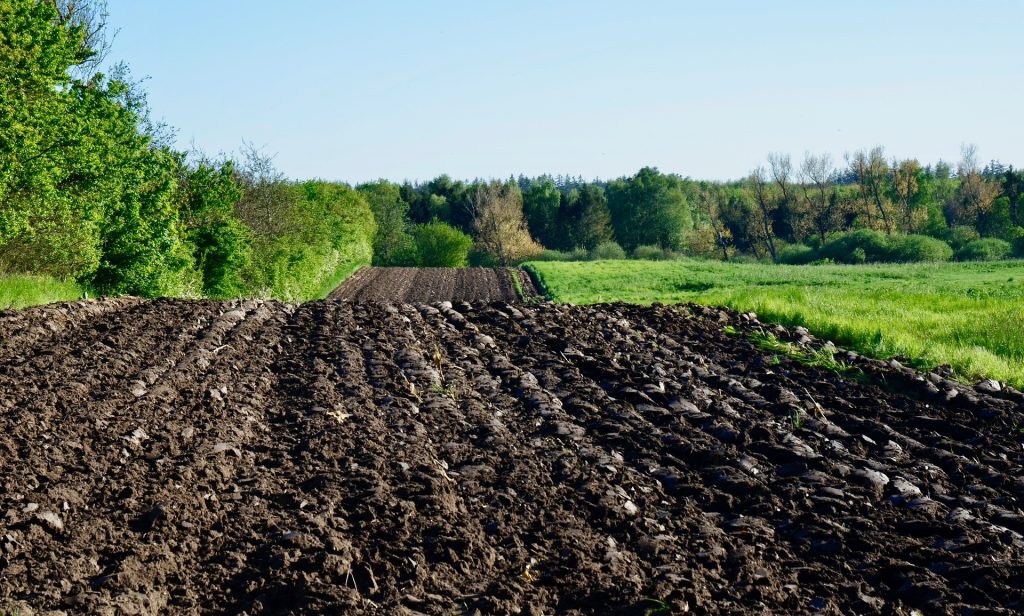
Black soil, also known as black cotton soil or regur soil, stands as a testament to the symbiotic relationship between nature and agriculture. Characterized by its dark color and rich nutrient content, a crucial role is played by this soil type in the success of farming in various regions around the world. In this exploration, we will delve into the unique properties of black soil, its geographical distribution, and the profound impact it has on global agriculture.
Formation and Composition:
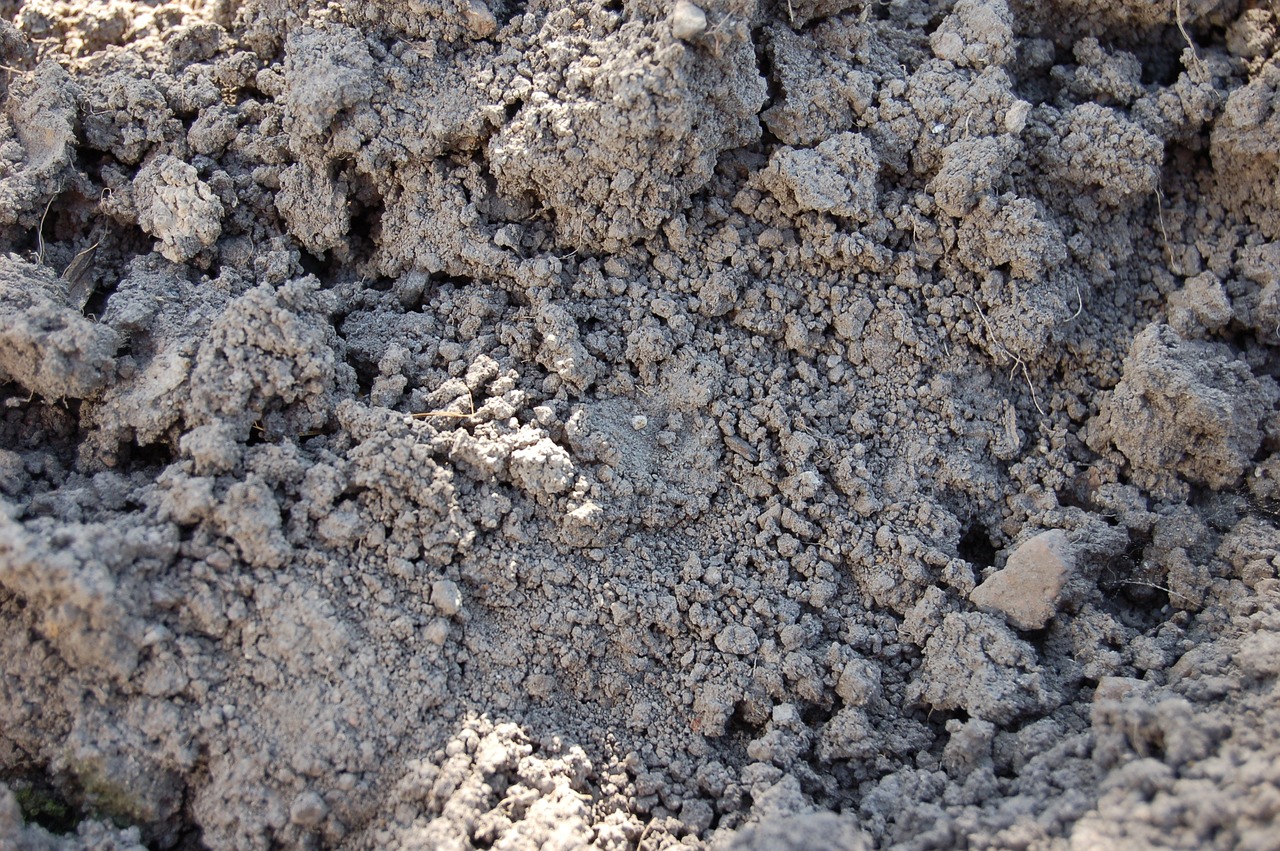
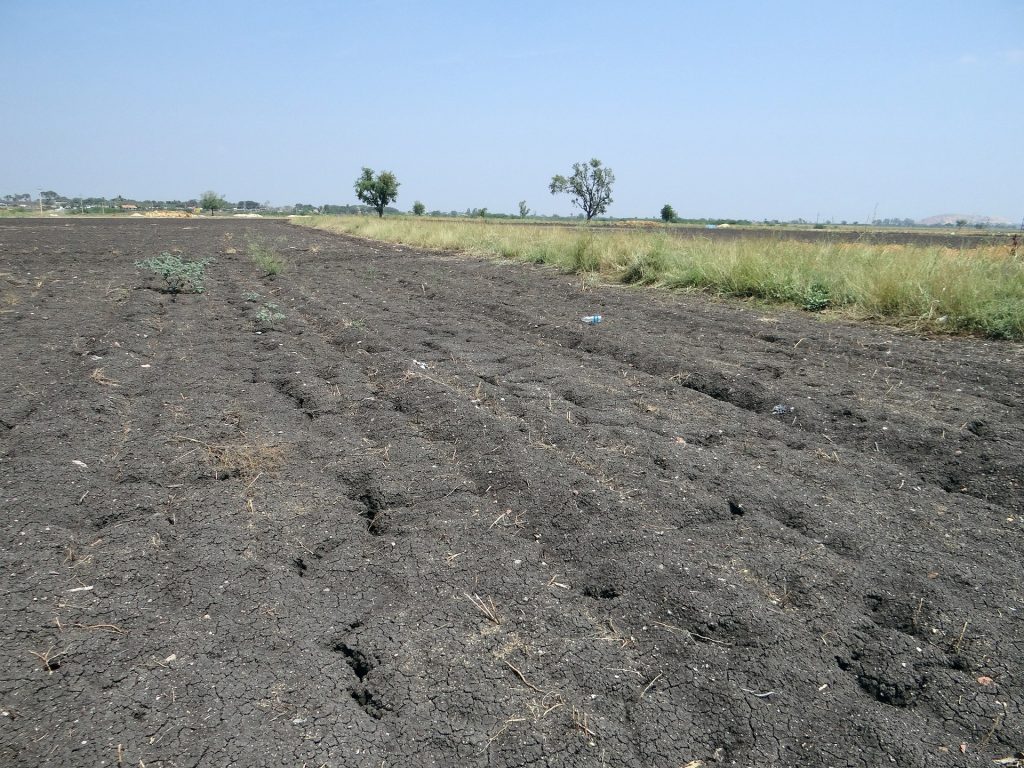
Black soil owes its distinct color and fertility to its unique composition. Formed over thousands of years, the soil is primarily composed of clay minerals, decomposed plant material, and high organic content. The clay particles contribute to the soil’s ability to retain moisture, while the organic matter enhances its fertility. The deep black color is a result of the accumulation of humus, which is rich in organic carbon. The black soil is collectively made as one of the most agriculturally productive soil types in the world by these factors.
Geographical Distribution:
Black soil is not uniform in its distribution and is primarily found in specific regions across the globe. One of the most renowned areas for black soil is the Deccan Plateau in India, where expansive stretches of fertile land are covered by this soil type. In the United States, the Midwest region, particularly the prairie states of Illinois, Iowa, and Indiana, boasts black soil that has been a key factor in the region’s agricultural prosperity. Additionally, black soil can be found in parts of South America, Africa, and Europe, each contributing to the agricultural diversity of these continents.
Agricultural Significance:
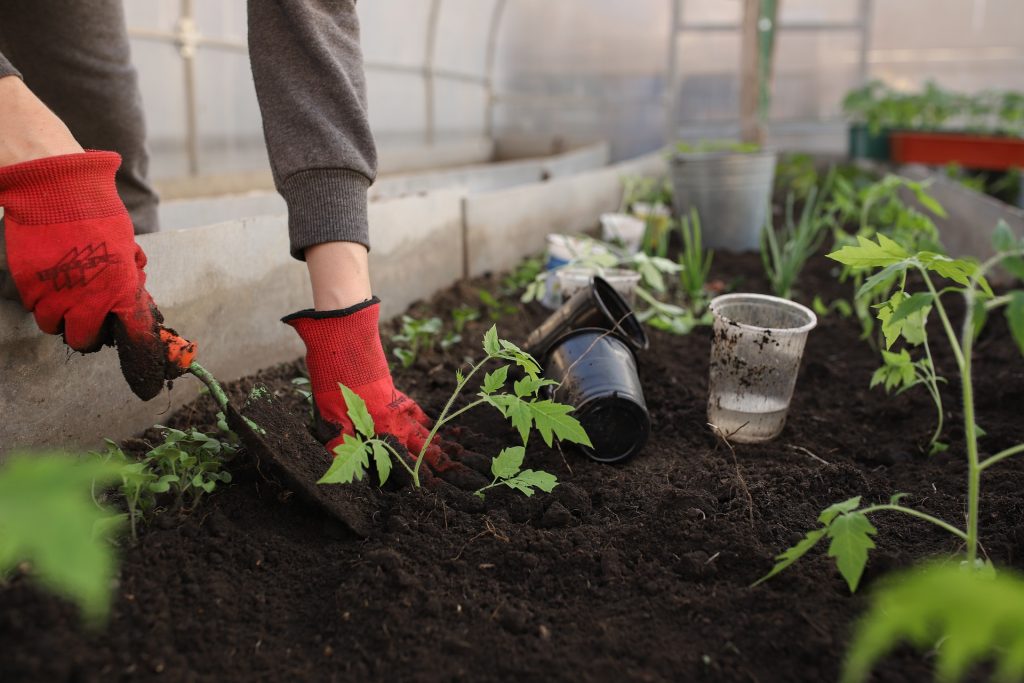
The agricultural significance of black soil cannot be overstated. Farmers worldwide recognize its fertility and suitability for a wide range of crops. A steady supply of water to plants, especially during dry spells, is ensured by the soil’s ability to retain moisture and thus reduces the reliance on irrigation. Furthermore, black soil is renowned for its excellent drainage properties, preventing waterlogging, which can be detrimental to plant growth. These characteristics make it an ideal medium for cultivating various crops, ranging from cereals like wheat and rice to pulses and oilseeds.
Challenges and Conservation:
Despite its fertility, black soil faces challenges that can impact its productivity. Soil degradation and erosion can be resulted from continuous cultivation, improper land management, and overuse of chemical fertilizers. The loss of organic matter and disruption of the soil structure are common issues that farmers using black soil may encounter. To address these challenges, sustainable farming practices, such as crop rotation, cover cropping, and the use of organic fertilizers, are essential. Conservation efforts are crucial to preserving the integrity of black soil and ensuring its long-term productivity.
Economic Impact:
The economic impact of black soil extends beyond the agricultural sector. Economic prosperity were often experienced in regions with abundant black soil due to increased agricultural yields. The surplus production not only meets local food requirements but also contributes to exports, providing a source of income for farmers and boosting the national economy. The success of agriculture in black soil-rich regions has led to the establishment of agro-based industries, creating employment opportunities and fostering rural development.
Environmental Importance:
The environmental importance of black soil goes beyond its role in agriculture. The ability of black soil to sequester carbon, thanks to the high organic content, contributes to mitigating climate change. Healthy black soil acts as a carbon sink, helping offset the carbon dioxide released into the atmosphere. Additionally, the biodiversity supported by black soil, including microorganisms and insects, plays a crucial role in maintaining ecological balance. Preserving and enhancing black soil health is therefore not only beneficial for agriculture but also for the overall well-being of the planet.
Conclusion:
In conclusion, black soil emerges as a cornerstone of global agriculture, offering a fertile foundation for sustenance and economic growth. Its unique properties make it a preferred choice for farmers across continents, contributing significantly to food security and economic prosperity. However, the challenges it faces necessitate a mindful approach to conservation and sustainable farming practices. By understanding and preserving the invaluable black soil, we can ensure a bountiful harvest for current and future generations, safeguarding the delicate balance between humanity and the earth.