




As the global population continues to burgeon, the demand for food production has placed unprecedented pressure on traditional agricultural practices. To meet the growing need for sustenance, innovative and sustainable farming methods have become imperative. One such method that has stood the test of time and topography is terrace farming. This ancient technique transforms rugged landscapes into productive agricultural havens, offering not only a means of survival but also a blueprint for sustainable farming practices.
Historical Roots
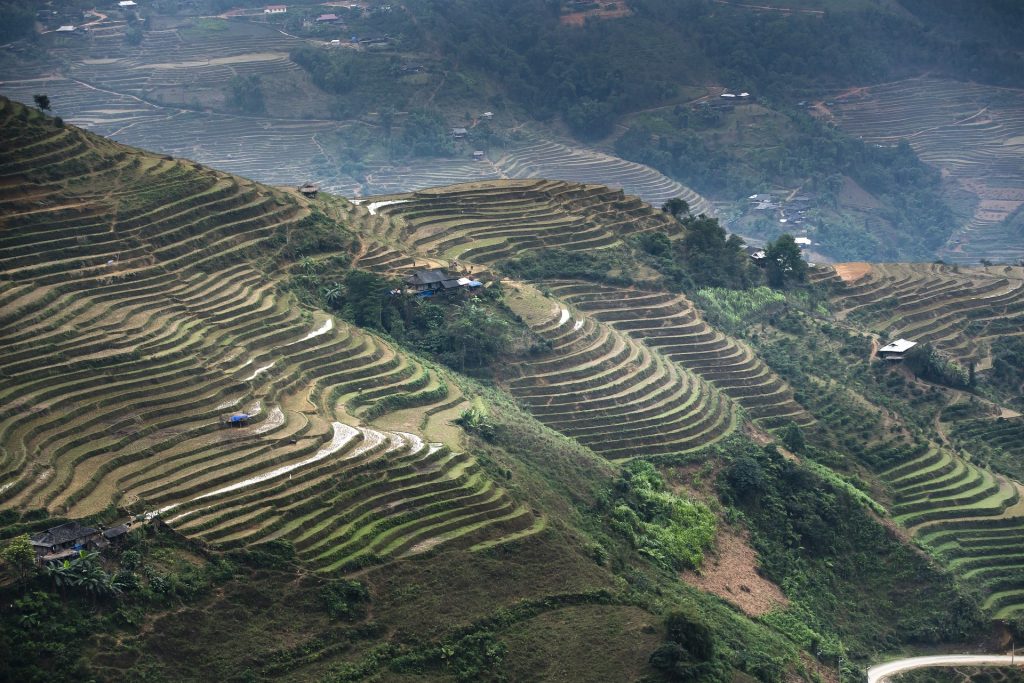
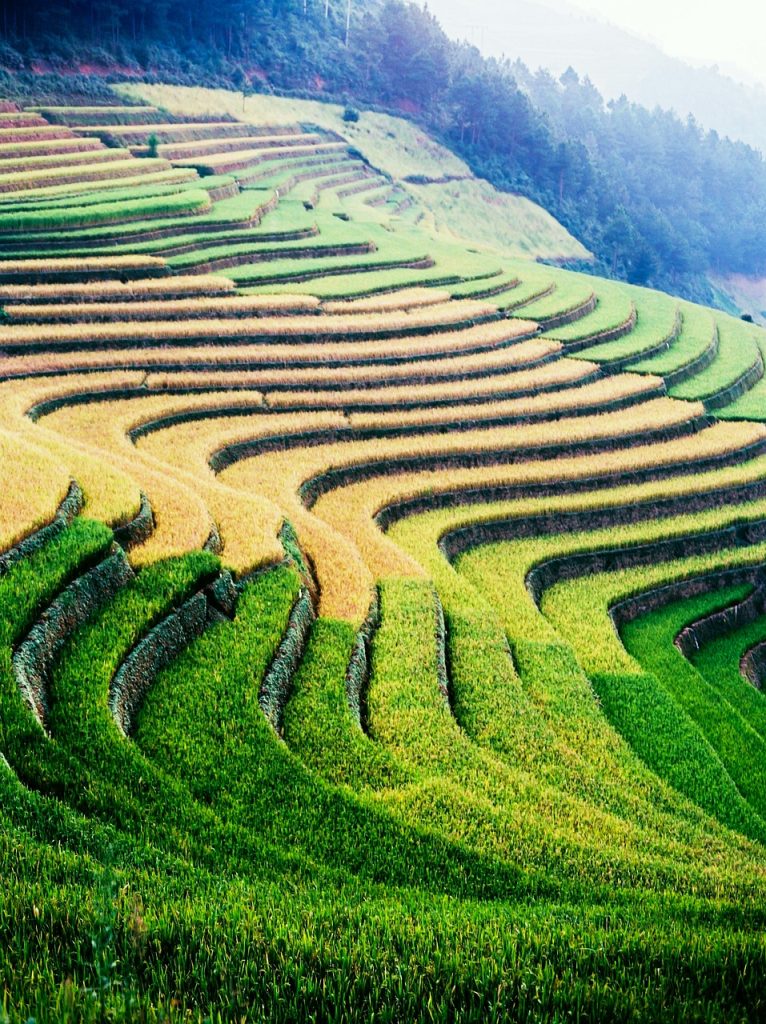
Terrace farming, also known as step farming or hillside farming, has deep historical roots that span across different continents and civilizations. The ancient Inca civilization in South America is often credited with perfecting this technique in the steep Andean mountains. In Asia, terrace farming has been prevalent for centuries, with regions like the Himalayas showcasing intricate terraced landscapes. The essence of terrace farming lies in transforming hilly or sloping terrain into a series of flat surfaces resembling steps or terraces. These terraces serve multiple purposes, such as preventing soil erosion, conserving water, and creating arable land for cultivation.
The Science Behind Terrace Farming
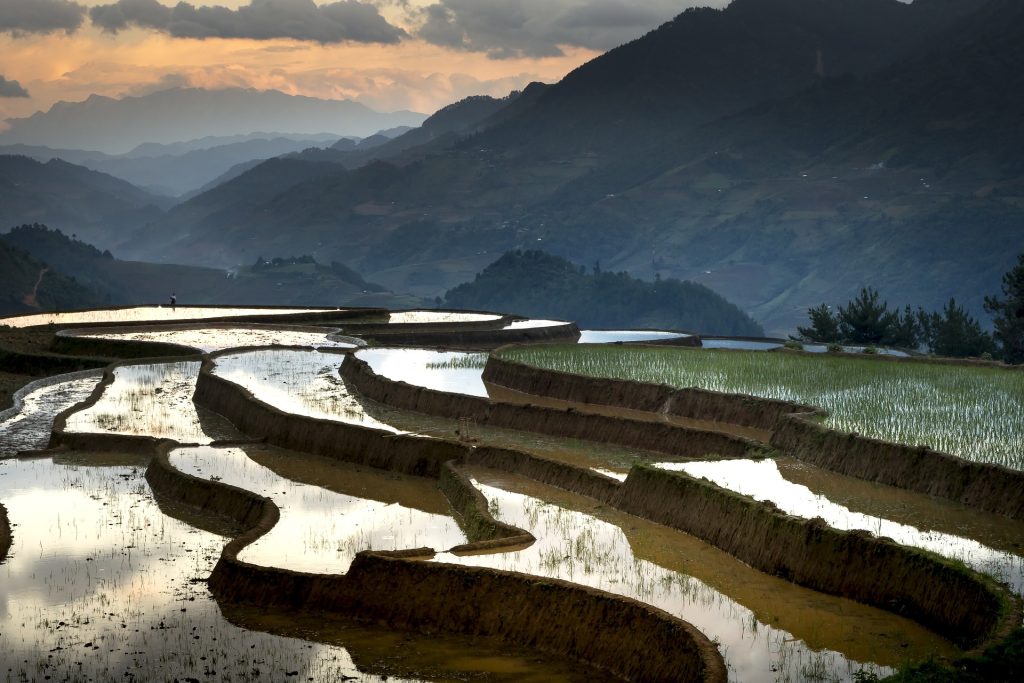
Terrace farming relies on the principle of harnessing the energy of gravity to control water runoff on sloping terrains. Creation of leveled platforms supported by retaining walls along the contours of the land is involved in the construction of terraces. This helps in slowing down the flow of water, preventing soil erosion and allowing it to percolate into the soil. The stepped structure of terraces ensures that rainwater is absorbed gradually, reducing the risk of floods and enabling sustainable agriculture on what would otherwise be inhospitable land.
Environmental Benefits
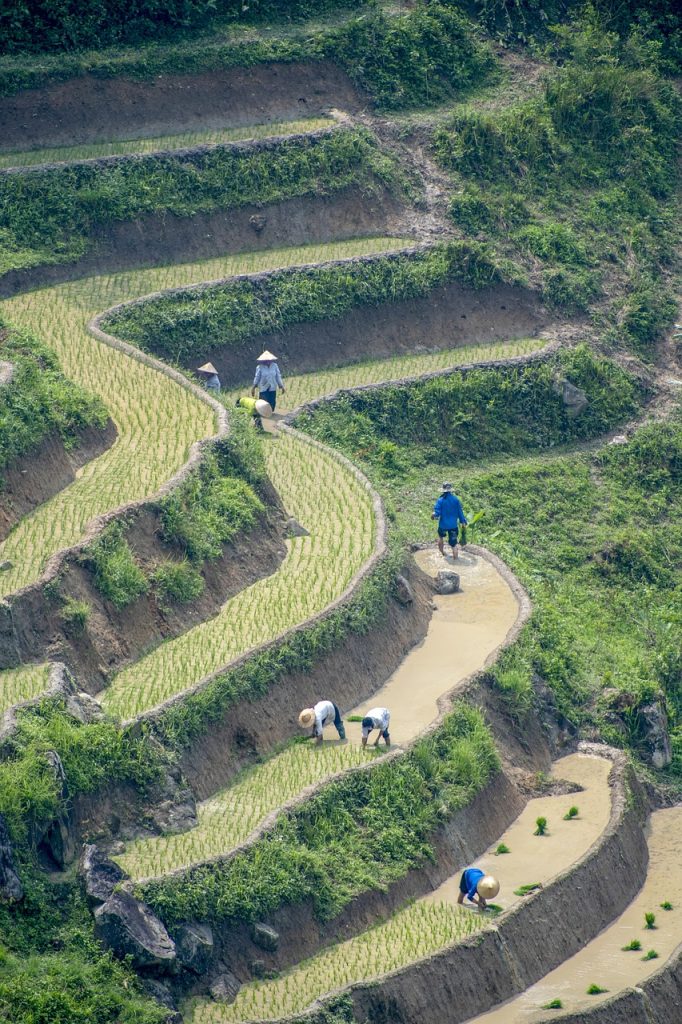
One of the primary advantages of terrace farming is its inherent environmental sustainability. By preventing soil erosion, soil fertility can be maintained with the help of terrace farming, preserving essential nutrients and organic matter. The reduction in water runoff also contributes to water conservation, mitigating the impact of droughts and ensuring a stable water supply for crops. Additionally, terrace farming aids in biodiversity conservation by creating microclimates within each terrace, fostering the growth of various plant species.
Enhancing Agricultural Productivity
Beyond its environmental benefits, agricultural productivity is significantly enhanced by terrace farming. The leveled terraces provide a stable and secure foundation for planting a variety of crops, ranging from grains and vegetables to fruits and medicinal herbs. Optimal growing conditions are contributed by the controlled water flow and improved soil quality, resulting in higher yields compared to traditional hillside farming methods. This is particularly crucial in regions with challenging topography, where terrace farming can turn barren hillsides into flourishing fields.
Social and Economic Impacts
Terrace farming has profound social and economic implications, especially in rural and mountainous areas. The creation of arable land on steep slopes empowers local communities to sustain themselves through agriculture, reducing dependency on external food sources. The increased agricultural productivity not only ensures food security but also generates surplus produce for trade and economic development. Moreover, traditional farming practices and indigenous knowledge are also preserved by terrace farming, fostering a sense of cultural identity within communities.
Challenges and Solutions
While terrace farming offers numerous benefits, it is not without its challenges. The initial construction of terraces can be labor-intensive and require significant investments in materials and manpower. Moreover, the maintenance of retaining walls and terraced structures is an ongoing process that demands continuous effort. However, advancements in technology and the integration of modern engineering techniques have made terrace farming more accessible and efficient. Innovations such as contour plowing, reinforced concrete walls, and satellite mapping have streamlined the implementation and maintenance of terrace farming systems.
Conclusion
In the face of escalating global challenges such as climate change, population growth, and food security concerns, terrace farming emerges as a beacon of sustainable agriculture. By transforming rugged landscapes into productive fields, terrace farming not only addresses environmental issues but also uplifts communities by providing a reliable source of food and income. As we navigate the complexities of the 21st century, terrace farming stands as a testament to the harmonious coexistence of nature and agriculture, offering a blueprint for sustainable farming practices that can endure for generations to come.