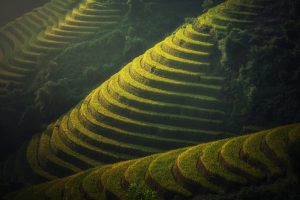


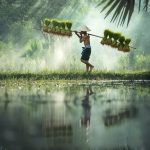
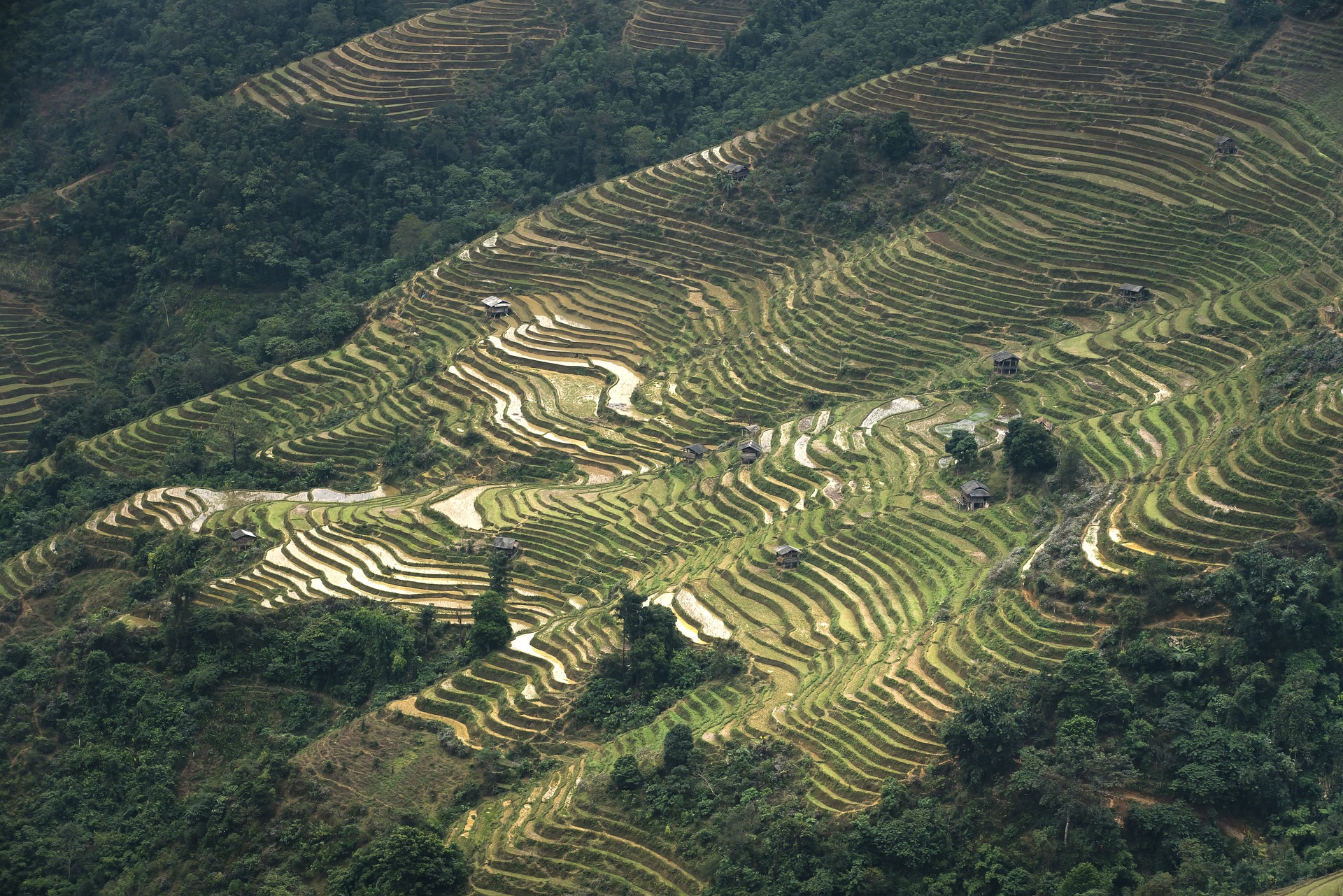
Terrace farming, also known as step farming or hillside farming, is a time-honored agricultural practice that involves cultivating crops on terraced slopes or hillsides. This method transforms steep, hilly terrain into a series of flat platforms, resembling steps, to create arable land. While terrace farming has been practiced for centuries, its relevance and advantages have become increasingly evident in the face of modern agricultural challenges. This article explores the numerous benefits of terrace farming, ranging from soil conservation to increased agricultural productivity and sustainability.
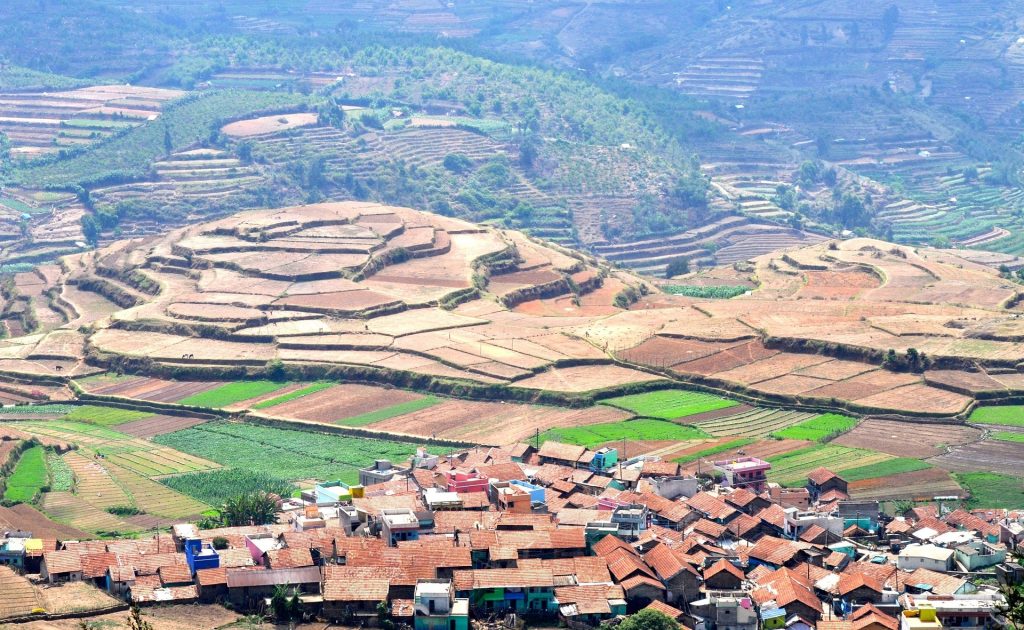
- Soil Conservation:
The ability of terrace farming to prevent soil erosion is one of the primary advantages of it. In traditional farming on sloped terrain, rainwater can wash away fertile topsoil, leading to degradation and decreased fertility. Terracing helps break the flow of water, reducing its velocity and allowing it to be absorbed by the soil. This not only prevents erosion but also facilitates better water retention, ensuring that the soil remains moist and nutrient-rich for crops.
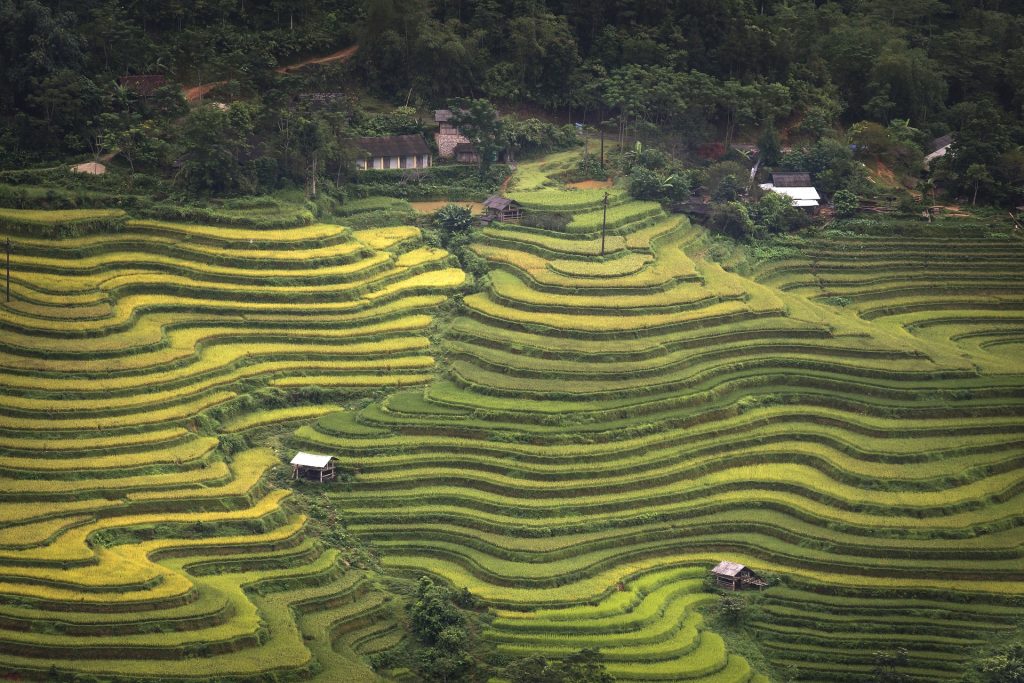
- Maximizing Arable Land:
Terrace farming effectively transforms otherwise unusable hilly terrain into productive agricultural land. By creating flat platforms on slopes, farmers can expand the available acreage for cultivation. This is particularly crucial in regions with limited flat land, where terrace farming becomes a sustainable solution to maximize the use of available space. In densely populated areas or mountainous regions, terrace farming allows communities to meet their food needs without encroaching on natural ecosystems.
- Water Management:
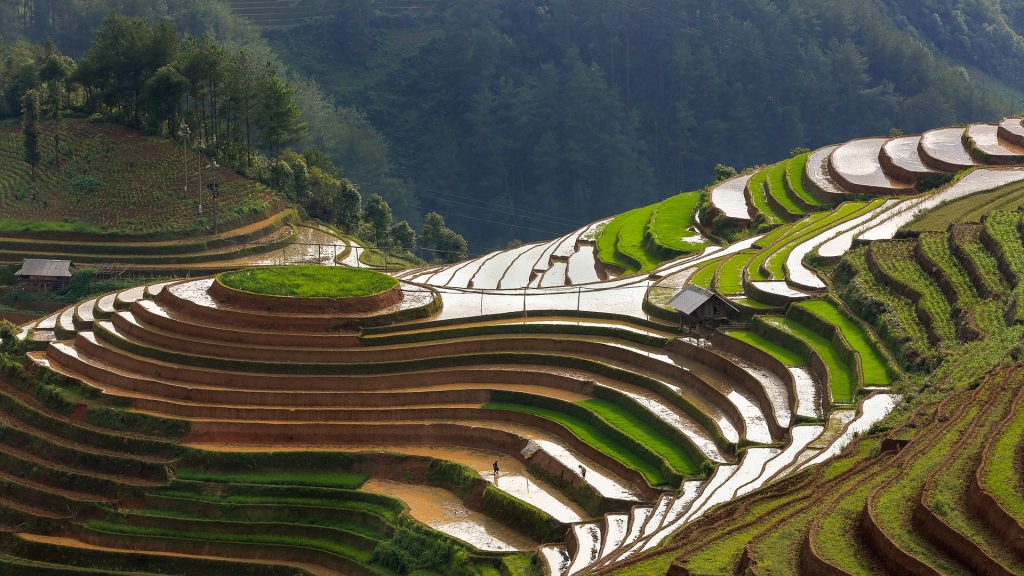
Water management in agriculture is enhanced by terrace farming. The stepped structure of terraces helps control the flow of water, preventing both runoff and waterlogging. This controlled water distribution is especially beneficial in areas with irregular rainfall patterns. The terraces act as natural reservoirs, capturing rainwater and allowing it to percolate slowly into the soil, ensuring a steady supply of moisture for crops.
- Crop Diversification:
Terrace farming enables farmers to diversify their crops by providing different microclimates on each terrace. Since the temperature and sunlight exposure can vary across the stepped landscape, farmers have the flexibility to cultivate a variety of crops with distinct climatic preferences. This diversification not only enhances food security but also promotes biodiversity and reduces the risks associated with mono-cropping.
- Increased Productivity:
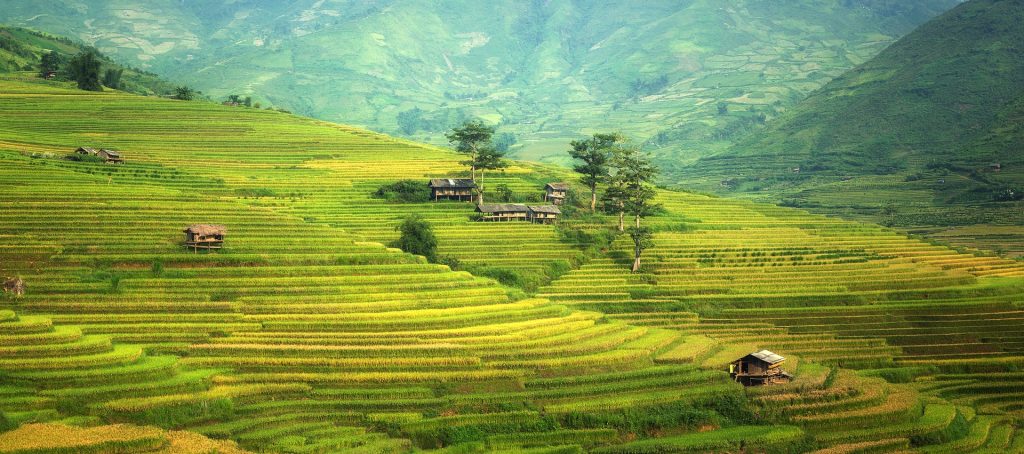
Increased agricultural productivity is contributed by the controlled environment created by terrace farming. The terraced layout allows for more efficient use of inputs such as fertilizers and irrigation, ensuring that each terrace receives the necessary resources for optimal crop growth. Additionally, the prevention of soil erosion and water management benefits lead to healthier and more robust crops, ultimately enhancing overall yield.
- Sustainable Agriculture:
Terrace farming aligns with the principles of sustainable agriculture by minimizing the negative environmental impact of conventional farming practices. The reduction in soil erosion, efficient water use, and promotion of biodiversity contribute to the long-term health of ecosystems. Terrace farming becomes a sustainable choice for regions facing ecological challenges, helping maintain a delicate balance between agricultural productivity and environmental conservation.
- Cultural and Aesthetic Value:
Beyond its agricultural benefits, cultural and aesthetic value is held by terrace farming. Many regions around the world, such as the rice terraces in the Philippines and the vineyards in Italy, showcase the artistic and cultural aspects of terrace farming. These landscapes not only attract tourists but also foster a sense of identity and pride among local communities, preserving traditional farming practices and promoting cultural heritage.
Conclusion:
Terrace farming stands as a testament to human ingenuity in adapting to challenging landscapes. Its advantages extend far beyond mere agricultural productivity, encompassing environmental conservation, water management, and cultural preservation. As the world grapples with the need for sustainable and resilient agricultural practices, terrace farming emerges as a timeless solution that bridges the gap between tradition and innovation, providing a blueprint for a more sustainable and productive future.