




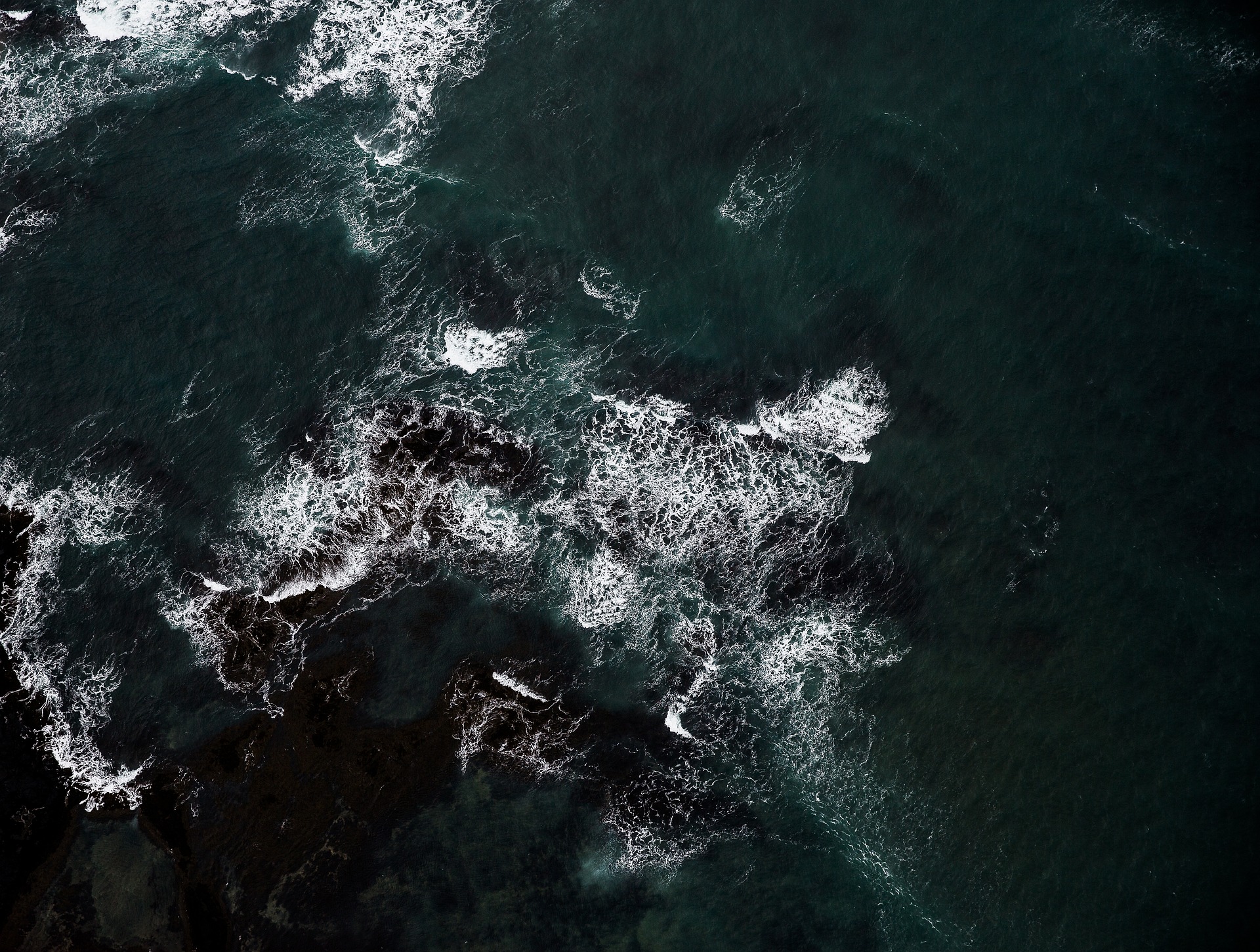
Natural calamities, also known as natural disasters, are catastrophic events resulting from natural processes of the Earth. These occurrences can have profound and devastating effects on both the environment and human populations. From geological upheavals to meteorological phenomena, the types of natural calamities are diverse and unpredictable. This article explores some of the most common and impactful natural calamities, shedding light on their causes, characteristics, and the human responses to mitigate their consequences.
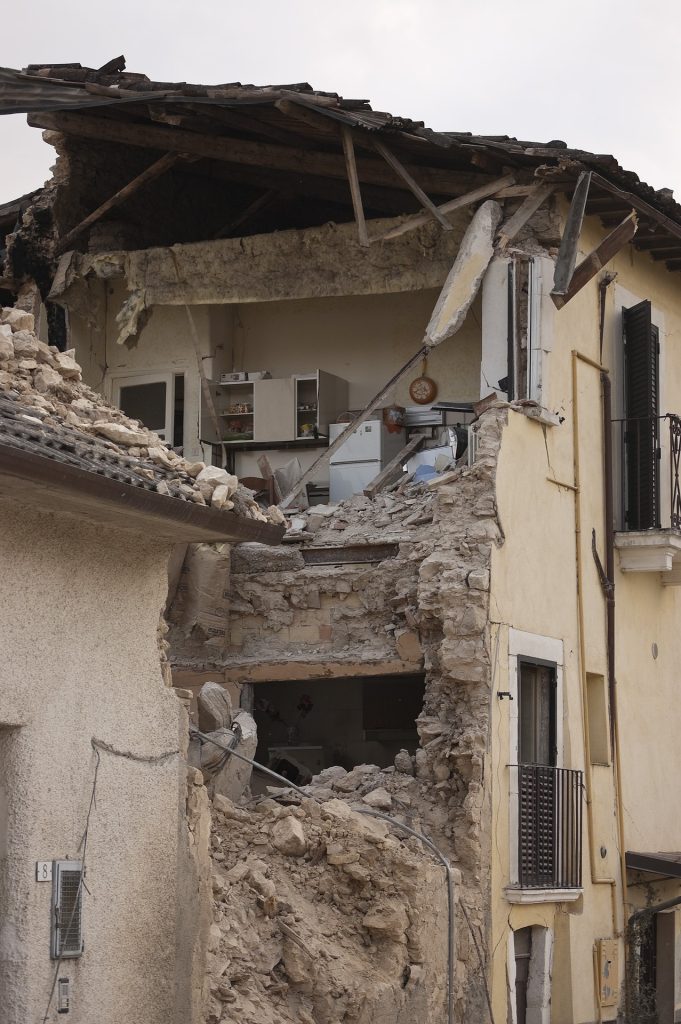
Earthquakes:
One of the most awe-inspiring and destructive natural calamities, earthquakes are caused by the sudden release of energy in the Earth’s crust. Seismic waves that shake the ground are created by this release of energy, resulting in tremors of varying intensities. The intensity of earthquakes is measured on the Richter scale, with higher magnitudes indicating more severe shaking. These events can lead to widespread devastation, collapsing buildings, triggering landslides, and even causing tsunamis if the epicenter is beneath the ocean. Earthquake-prone regions, often located along tectonic plate boundaries, must implement stringent building codes and emergency preparedness measures to minimize the impact of these seismic events.
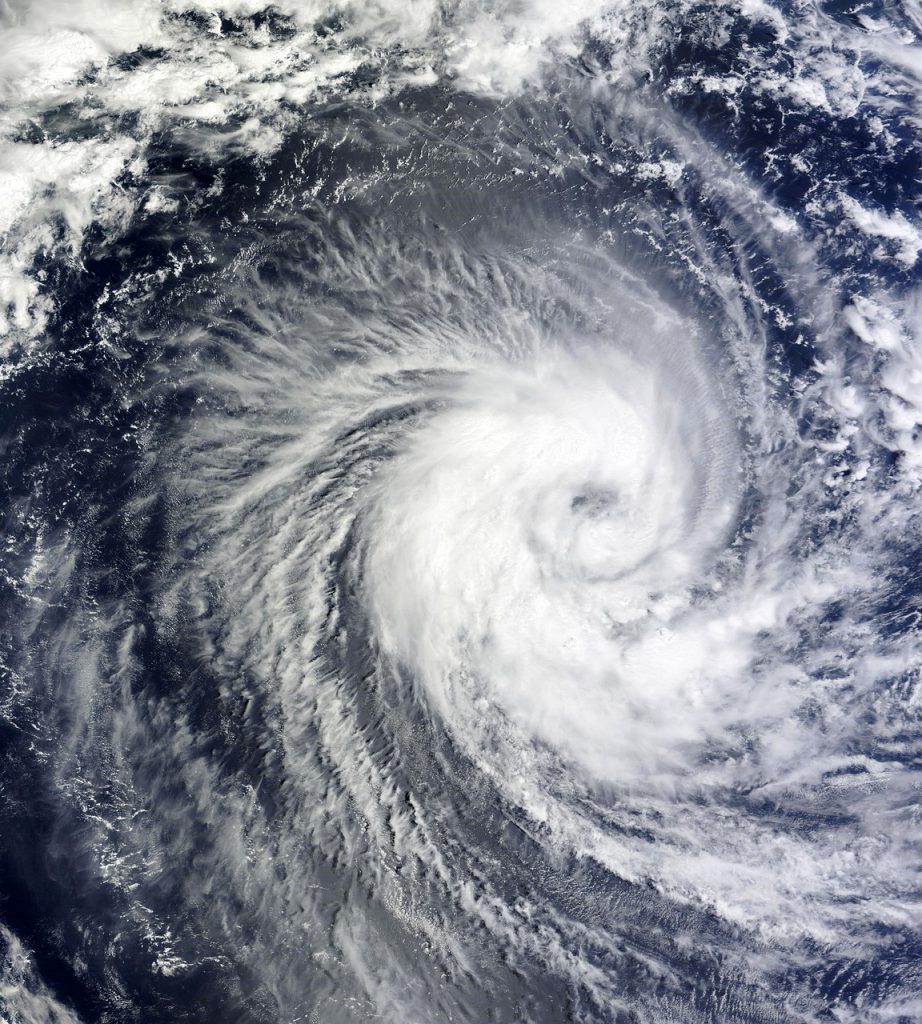
Hurricanes and Cyclones:
Known by different names depending on their geographic location, hurricanes and cyclones are powerful tropical storms characterized by strong winds and heavy rainfall. These storms form over warm ocean waters and gain strength as they absorb heat energy. The Saffir-Simpson Hurricane Wind Scale classifies hurricanes into categories based on their wind speeds, ranging from Category 1 (weakest) to Category 5 (strongest). Coastal regions in tropical and subtropical areas are most vulnerable to these storms, facing the risk of destructive winds, storm surges, and flooding. Early warning systems and evacuation plans are crucial for minimizing casualties and damage in hurricane-prone areas.
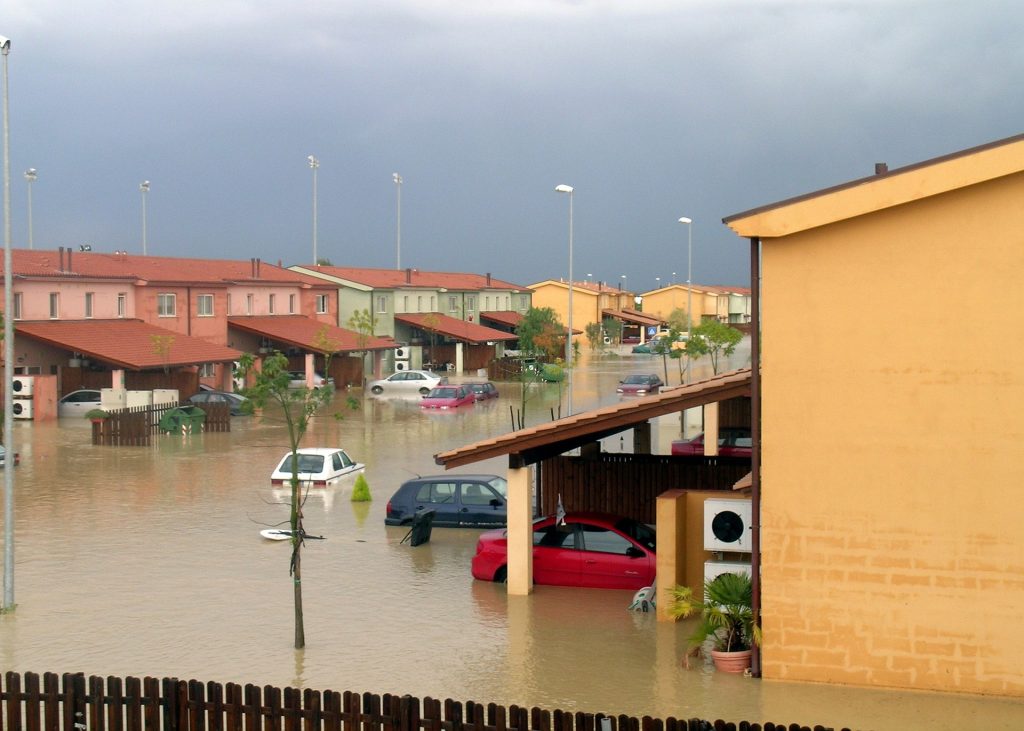
Floods:
Floods are natural calamities that occur when an area experiences an overflow of water, submerging land that is usually dry. Various factors including heavy rainfall, storm surges, rapid snowmelt, or the failure of dams and levees contribute to flooding. Flash floods, characterized by sudden and intense inundation, pose a significant threat to both urban and rural areas. The impact of floods extends beyond immediate property damage, affecting agriculture, and infrastructure, and displacing populations. Effective flood control measures involve proper land-use planning, the construction of resilient infrastructure, and developing warning systems to alert communities in advance.
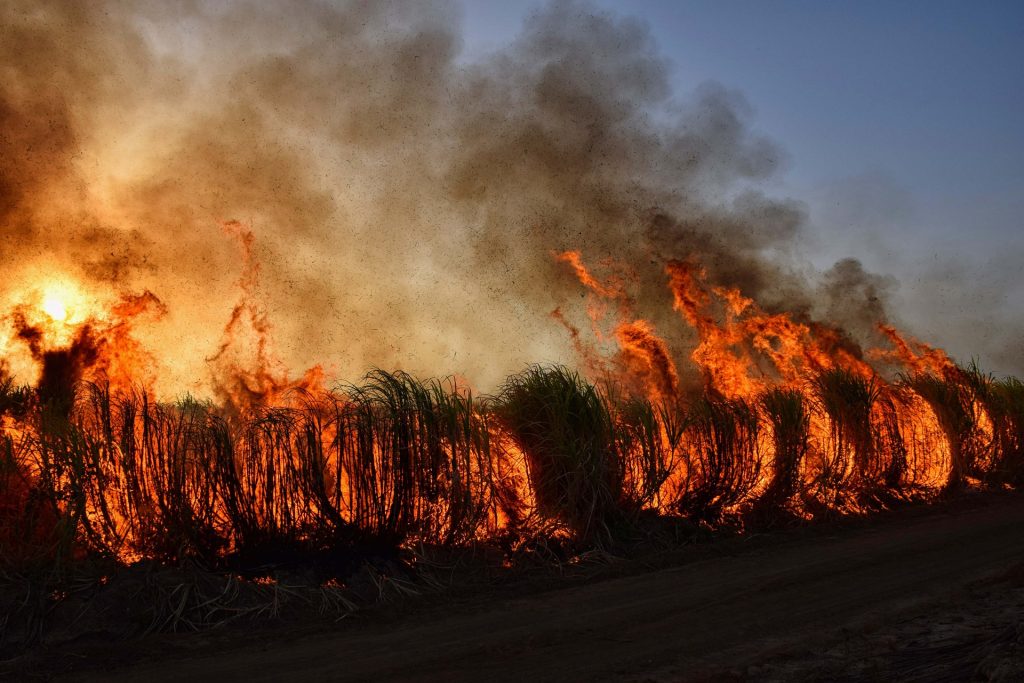
Wildfires:
In ecosystems with a significant presence of vegetation, wildfires are a common natural calamity, fueled by dry conditions, high temperatures, and strong winds. These infernos can spread rapidly, engulfing vast areas and causing extensive damage to both flora and fauna. Human activities, such as campfires, discarded cigarettes, or arson, often contribute to the ignition of wildfires. The risk is exacerbated by climate change, as rising temperatures and changing precipitation patterns create conducive conditions for these disasters. Fire management strategies, including controlled burns, firebreaks, and early detection systems, are essential for minimizing the impact of wildfires on ecosystems and human communities.
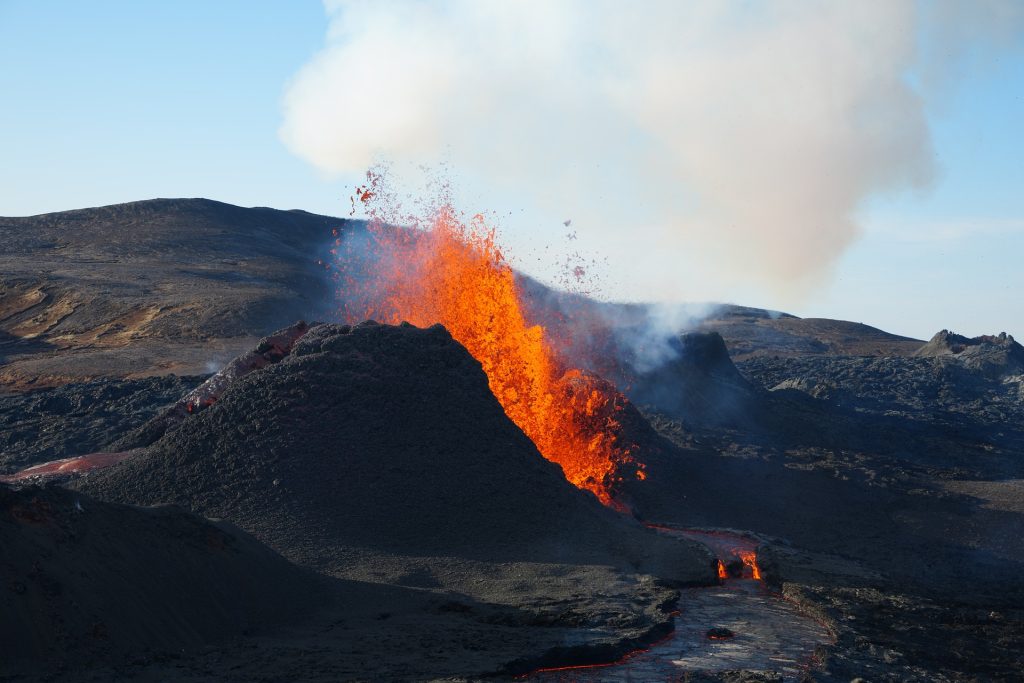
Volcanic Eruptions:
Volcanic eruptions occur when magma, gas, and ash escape from beneath the Earth’s crust, often with explosive force. The intensity and impact of eruptions vary, ranging from relatively minor ash emissions to catastrophic explosions. Volcanic activity is concentrated along tectonic plate boundaries, commonly known as the “Ring of Fire.” The consequences of eruptions include lava flows, ashfall, pyroclastic flows, and even the formation of volcanic islands. Populations living near active volcanoes must be prepared for potential eruptions, with evacuation plans, monitoring systems, and education about volcanic hazards.
Tornadoes:
Tornadoes are violent windstorms characterized by a twisting, funnel-shaped cloud. Formed from powerful thunderstorms, extreme damage with their high winds and rapid rotation can be caused by tornadoes. The Enhanced Fujita (EF) scale categorizes tornadoes based on their estimated wind speeds and the resulting damage. While tornadoes can occur in various parts of the world, a higher frequency of these storms is experienced in the central United States, known as “Tornado Alley,”. Early warning systems and tornado shelters protect lives in tornado-prone areas.
In conclusion, the diverse types of natural calamities present a formidable challenge to humanity. While their occurrence is often beyond human control, proactive measures such as early warning systems, resilient infrastructure, and community education can significantly reduce the impact of these disasters. As we continue to witness the effects of climate change, understanding and adapting to the ever-changing landscape of natural calamities become increasingly vital for the safety and well-being of global populations.’